


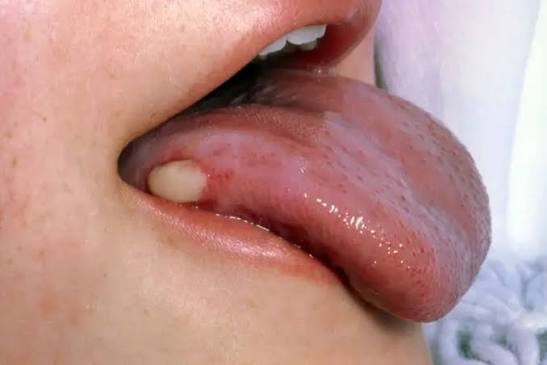
Oral cancer is a serious and potentially life-threatening condition that affects the mouth, lips, tongue, and throat. Dental professionals emphasise that early detection greatly improves treatment success and survival rates. However, many early signs are subtle and often mistaken for minor mouth problems, leading to delayed diagnosis.
Health experts warn that persistent changes in the mouth lasting more than two weeks should never be ignored.
What Is Oral Cancer?
Oral cancer refers to cancers that develop in any part of the oral cavity or oropharynx, including:
- Lips.
- Tongue.
- Gums.
- Inner lining of the cheeks.
- Roof or floor of the mouth.
- Throat.
It occurs when abnormal cells grow uncontrollably and form malignant tumours.

Risk Factors for Oral Cancer
Several factors increase the risk of developing oral cancer, including:
- Tobacco use (smoking or chewing).
- Heavy alcohol consumption.
- Human Papillomavirus (HPV) infection, especially HPV-16.
- Excessive sun exposure to the lips.
- Poor oral hygiene.
- A diet low in fruits and vegetables.
- Weakened immune system.
- Age above 40, although younger people can also be affected.
Early Warning Signs
Early symptoms of oral cancer may include:
- Persistent mouth ulcers that do not heal.
- Red or white patches inside the mouth.
- A lump or thickening in the cheek or neck.
- Persistent sore throat or hoarseness.
- Difficulty chewing or swallowing.
- Numbness in the mouth or lips.
- Unexplained bleeding in the mouth.
- Loose teeth without clear cause.
Because these symptoms can resemble common dental problems, they are often overlooked.
Advanced Symptoms
As the disease progresses, symptoms may include:
- Persistent pain in the mouth or jaw.
- Difficulty speaking clearly.
- Weight loss without explanation.
- Swelling in the jaw or neck.
- Severe bad breath that does not improve.
How Is Oral Cancer Diagnosed?
Dentists and healthcare providers may use:
- Clinical oral examination.
- Biopsy of suspicious tissue.
- Imaging tests such as CT, MRI, or PET scans.
- Endoscopic examination in some cases.
Routine dental check-ups play an important role in early detection.
Treatment Options
Treatment depends on the stage and location of the cancer:
Surgery
Removal of the tumour and surrounding affected tissues.
Radiotherapy
High-energy radiation used to destroy cancer cells.
Chemotherapy
Medicines used to kill or slow the growth of cancer cells.
Targeted Therapy and Immunotherapy
Newer treatments that target specific cancer cells or boost the immune system.
Can Oral Cancer Be Prevented?
While not all cases can be prevented, risk can be reduced by:
- Avoiding tobacco in all forms.
- Limiting alcohol intake.
- Practising good oral hygiene.
- Eating a healthy diet rich in fruits and vegetables.
- Getting vaccinated against HPV.
- Protecting lips from excessive sun exposure.
When Should You See a Dentist?
Seek immediate dental or medical attention if you notice:
- A mouth sore that does not heal within two weeks.
- Persistent lumps or thickened areas in the mouth or neck.
- Difficulty swallowing or chewing.
- Unexplained bleeding or numbness in the mouth.
- Persistent voice changes or sore throat.
Early evaluation is critical for successful treatment.
The Bottom Line
Oral cancer can develop silently in its early stages, making awareness of warning signs essential. Persistent mouth sores, unexplained lumps, or changes in oral tissue should always be evaluated by a dental professional. Early detection significantly improves treatment outcomes, highlighting the importance of regular dental check-ups and healthy lifestyle choices.
Disclaimer: This article is for informational purposes only and should not replace professional medical advice. Individuals with persistent oral symptoms should consult a qualified dentist or healthcare provider promptly for proper evaluation and diagnosis.




