


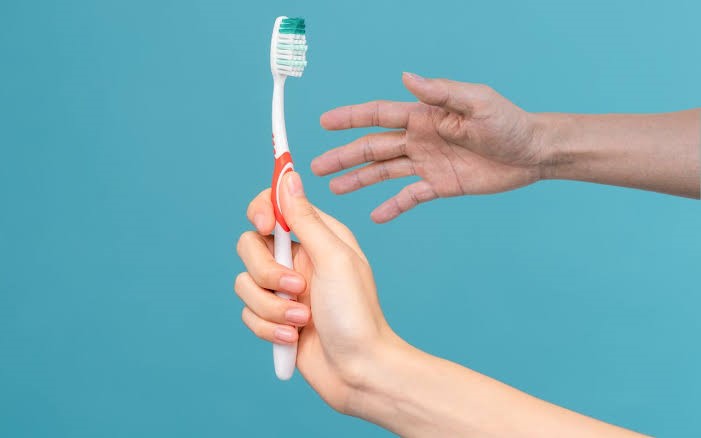
Dental professionals are warning the public against sharing toothbrushes, saying the practice can spread harmful bacteria, viruses, and fungi that may lead to oral and general health problems. While some people may see sharing a toothbrush with a family member or partner as harmless, experts stress that every toothbrush is a personal hygiene item and should never be used by another person.
Health experts say maintaining proper toothbrush hygiene is a simple but effective way to reduce the risk of infections and protect oral health.
Why Is Sharing a Toothbrush Dangerous?
A toothbrush comes into direct contact with saliva, blood, bacteria, and food particles every time it is used.
When shared, these microorganisms can easily pass from one person to another, increasing the risk of infection.

Even if a toothbrush appears clean, harmful germs may still be present on its bristles.
Infections That Can Spread
Sharing a toothbrush may increase the risk of transmitting:
- Gum disease-causing bacteria.
- Tooth decay-causing bacteria.
- Cold sores caused by the herpes simplex virus.
- Respiratory infections.
- Fungal infections such as oral thrush.
- Blood-borne infections if bleeding gums are present.
The risk is even greater for people with weakened immune systems.
Who Is Most at Risk?
Certain groups are more vulnerable to complications, including:
- Young children.
- Older adults.
- People with diabetes.
- Individuals receiving cancer treatment.
- People living with weakened immune systems.
These individuals should be especially careful not to share personal oral care items.
How to Keep Your Toothbrush Clean
Dentists recommend:
- Rinsing the toothbrush thoroughly after every use.
- Storing it upright so it can air-dry.
- Keeping toothbrushes from touching one another.
- Avoiding closed containers that trap moisture.
- Never sharing toothbrushes, even with close family members.
Proper storage helps reduce bacterial growth.
When Should You Replace Your Toothbrush?
Dental experts advise replacing your toothbrush:
- Every three to four months.
- Sooner if the bristles become worn or frayed.
- After recovering from illnesses such as the flu, a cold, or a throat infection.
- Immediately if the toothbrush becomes contaminated.
Using a worn-out toothbrush reduces cleaning effectiveness.
Common Mistakes to Avoid
Experts advise against:
- Sharing toothbrushes.
- Using damaged or frayed toothbrushes.
- Failing to rinse the toothbrush after use.
- Storing wet toothbrushes in sealed containers for long periods.
- Leaving toothbrushes where they may become contaminated.
Simple hygiene practices can significantly lower the risk of infection.
When Should You See a Dentist?
Arrange a dental appointment if you experience:
- Bleeding gums.
- Persistent bad breath.
- Mouth sores that do not heal.
- Tooth pain.
- Signs of oral infection.
Regular dental check-ups help identify and treat oral health problems early.
The Bottom Line
A toothbrush is a personal hygiene item and should never be shared. Doing so can expose individuals to harmful bacteria, viruses, and fungi that may affect both oral and general health. Using your own toothbrush, replacing it regularly, and practising good oral hygiene are simple steps that help keep your mouth healthy and reduce the risk of infection.
Disclaimer: This article is for informational purposes only and should not replace professional medical or dental advice. Individuals with concerns about oral infections or dental health should consult a qualified dentist or healthcare provider.




