


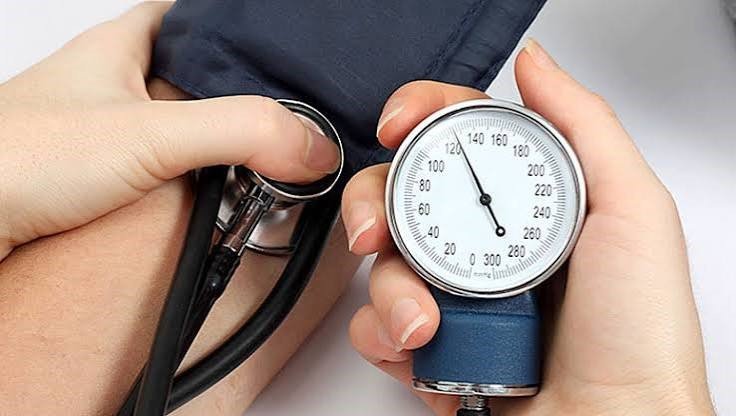
Doctors are emphasizing the importance of regular blood pressure checks, warning that hypertension often develops without noticeable symptoms and can silently damage the heart, brain, kidneys, and blood vessels for years before it is detected. Medical professionals explain that routine blood pressure monitoring is one of the simplest yet most effective ways to identify cardiovascular risk early, allowing timely treatment that can prevent life-threatening complications.
Health experts explain that blood pressure is the force exerted by circulating blood against the walls of the arteries as the heart pumps blood throughout the body. A healthy blood pressure ensures that oxygen and nutrients are efficiently delivered to organs and tissues. However, when blood pressure remains consistently elevated, it places excessive strain on the arteries and forces the heart to work harder than normal.
Cardiologists warn that high blood pressure is commonly known as the “silent killer” because most people experience no symptoms during the early stages of the condition. Unlike many illnesses that produce pain or visible warning signs, hypertension can quietly damage vital organs over several years. As a result, many individuals only discover they have high blood pressure after suffering a heart attack, stroke, heart failure, kidney disease, or vision problems.
Doctors explain that regular blood pressure checks allow healthcare providers to detect hypertension before complications develop. A simple, painless measurement using a blood pressure monitor can reveal whether an individual’s blood pressure is within a healthy range or requires further evaluation and treatment. Experts recommend that adults have their blood pressure checked routinely, even if they feel healthy, because early detection significantly improves treatment outcomes.

Medical professionals identify several factors that increase the risk of developing high blood pressure. These include advancing age, obesity, excessive salt intake, physical inactivity, smoking, excessive alcohol consumption, chronic stress, diabetes, kidney disease, and a family history of hypertension. Individuals with one or more of these risk factors are encouraged to monitor their blood pressure more frequently and attend regular medical check-ups.
Health experts explain that uncontrolled high blood pressure gradually damages the arteries by making them thicker, narrower, and less flexible. This restricts blood flow to the heart and brain, increasing the risk of coronary artery disease, heart attacks, strokes, and peripheral artery disease. Persistent hypertension can also weaken the heart muscle, eventually leading to heart failure.
Doctors further warn that high blood pressure can severely affect kidney function. The kidneys rely on healthy blood vessels to filter waste from the bloodstream, and prolonged hypertension can damage these vessels, increasing the risk of chronic kidney disease or kidney failure. In addition, elevated blood pressure may damage the delicate blood vessels in the eyes, potentially leading to vision loss if left untreated.
Cardiologists emphasize that regular blood pressure monitoring is especially important for individuals living with diabetes or high cholesterol, as these conditions often occur together and significantly increase the risk of cardiovascular complications. Monitoring allows healthcare providers to adjust treatment plans promptly and reduce long-term health risks.
Medical professionals encourage adults to adopt healthy lifestyle habits to maintain normal blood pressure levels. They recommend reducing salt intake, eating a balanced diet rich in fruits, vegetables, whole grains, lean proteins, and healthy fats, maintaining a healthy weight, engaging in regular physical activity, avoiding tobacco products, limiting alcohol consumption, managing stress effectively, and getting adequate sleep.
Doctors also stress the importance of taking prescribed blood pressure medications exactly as directed. They caution patients against discontinuing medication simply because their blood pressure readings have improved, explaining that treatment helps control the condition rather than permanently curing it. Consistent follow-up appointments are essential for monitoring progress and making necessary adjustments to treatment.
In conclusion, medical professionals stress that regular blood pressure checks can save lives by identifying hypertension before it causes irreversible damage. They urge adults to make blood pressure monitoring a routine part of preventive healthcare, emphasizing that early detection, healthy lifestyle choices, and proper medical treatment are key to reducing the risk of heart disease, stroke, kidney failure, and other serious complications.




