


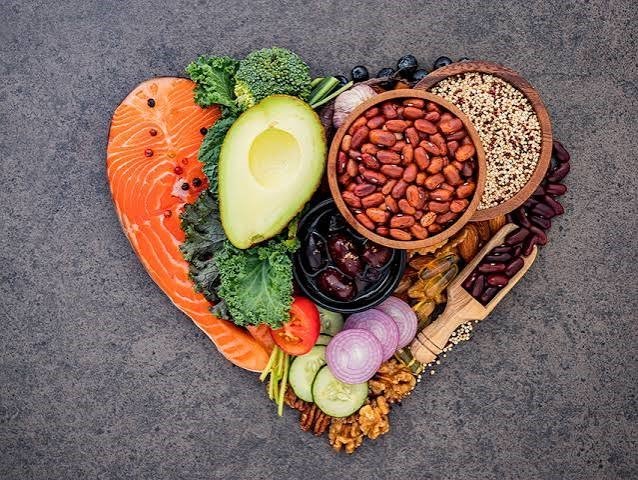
Health experts are encouraging people of all ages to adopt heart-healthy eating habits, emphasizing that proper nutrition plays a critical role in preventing cardiovascular disease. Medical professionals explain that unhealthy dietary patterns are among the leading contributors to heart disease, stroke, high blood pressure, high cholesterol, and obesity. By making healthier food choices, individuals can significantly reduce their risk of developing life-threatening cardiovascular conditions while improving their overall health and quality of life.
Cardiologists explain that the heart depends on a steady supply of oxygen and nutrients to function effectively. A diet high in saturated fats, trans fats, sodium, added sugars, and processed foods can damage blood vessels, raise cholesterol levels, and increase blood pressure, all of which contribute to the development of cardiovascular disease. In contrast, a balanced diet rich in natural, nutrient-dense foods helps maintain healthy blood vessels, supports normal heart function, and reduces inflammation throughout the body.
Doctors recommend that adults include a variety of fruits and vegetables in their daily meals. These foods are rich in vitamins, minerals, antioxidants, and dietary fiber that help lower blood pressure, improve cholesterol levels, and protect blood vessels from damage caused by harmful free radicals. Whole grains such as oats, brown rice, whole wheat, and millet are also encouraged because they provide fiber that helps reduce low-density lipoprotein (LDL), commonly known as “bad” cholesterol.
Medical professionals also advise choosing lean sources of protein, including fish, skinless poultry, beans, lentils, and nuts. Fatty fish such as salmon, sardines, and mackerel contain omega-3 fatty acids, which have been shown to reduce inflammation, lower triglyceride levels, and support healthy heart rhythms. Replacing processed meats and fatty cuts of red meat with healthier protein options can further reduce cardiovascular risk.

Health experts stress the importance of limiting foods high in saturated fats and trans fats, including fried foods, processed snacks, baked goods, fast food, and heavily processed meats. These foods increase LDL cholesterol while lowering high-density lipoprotein (HDL), or “good” cholesterol, promoting the buildup of plaque inside the arteries and increasing the risk of heart attacks and strokes.
Cardiologists also encourage reducing salt intake to help maintain healthy blood pressure. Excess sodium causes the body to retain fluid, forcing the heart to work harder and increasing the risk of hypertension. Preparing meals at home, using herbs and spices instead of excessive salt, and reading nutrition labels can help individuals reduce their daily sodium consumption.
Doctors further advise limiting added sugars found in sugary drinks, desserts, candies, and many processed foods. Excessive sugar intake contributes to obesity, type 2 diabetes, and elevated triglyceride levels, all of which increase the risk of cardiovascular disease. Drinking water instead of sugar-sweetened beverages and choosing fresh fruit to satisfy sweet cravings are healthier alternatives.
Medical professionals emphasize that portion control is another important aspect of heart-healthy eating. Even nutritious foods can contribute to weight gain if consumed in excessive amounts. Eating balanced meals, avoiding overeating, and paying attention to hunger and fullness cues can help maintain a healthy body weight and reduce strain on the heart.
Health experts recommend combining healthy eating with regular physical activity, adequate sleep, stress management, and avoidance of tobacco products to achieve the greatest cardiovascular benefits. Routine medical check-ups to monitor blood pressure, cholesterol, blood sugar, and body weight are also essential for identifying risk factors early.
In conclusion, health experts stress that heart-healthy eating is one of the most effective ways to reduce cardiovascular risk and promote long-term wellbeing. They encourage individuals to make gradual, sustainable dietary changes by choosing fresh, nutrient-rich foods, limiting processed products, and maintaining balanced eating habits. These lifestyle choices can help protect the heart, reduce the likelihood of chronic disease, and support a healthier, longer life.




