


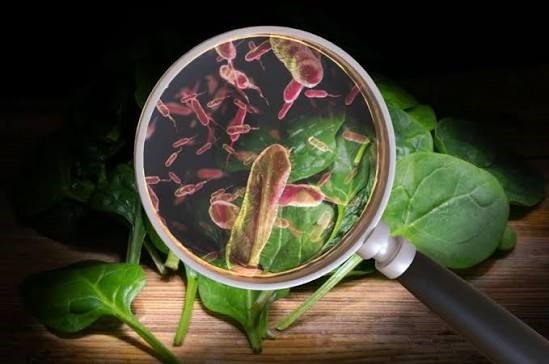
Health experts are encouraging the public to take extra precautions when preparing, storing, and consuming food during periods of hot and humid weather, warning that higher temperatures can create favorable conditions for the growth of harmful bacteria that cause foodborne illnesses.
Foodborne diseases affect millions of people worldwide each year and are commonly linked to food contaminated by bacteria, viruses, parasites, or harmful toxins. Warm weather can increase the risk when food is left unrefrigerated, improperly cooked, or handled under poor hygiene conditions.
Medical professionals say most foodborne illnesses are preventable through proper food safety practices at home, restaurants, markets, and other food service establishments.
Why Hot and Humid Weather Increases the Risk
Health experts explain that bacteria multiply more rapidly in warm temperatures, especially when perishable foods such as meat, poultry, seafood, dairy products, cooked rice, and prepared meals are left at room temperature for extended periods.
High humidity can also contribute to faster food spoilage, particularly when foods are not stored under appropriate conditions.
During outdoor events, picnics, and street food sales, maintaining safe food temperatures becomes even more important to reduce contamination.
Common Causes of Foodborne Illness
Foodborne illnesses can result from several food safety mistakes, including:
- Eating undercooked meat, poultry, seafood, or eggs
- Consuming contaminated fruits and vegetables
- Drinking unsafe water
- Poor hand hygiene during food preparation
- Cross-contamination between raw and cooked foods
- Improper food storage
- Leaving cooked food unrefrigerated for long periods
Health authorities stress that food can appear fresh while still containing harmful microorganisms.
Symptoms to Watch For
Symptoms of foodborne illness usually develop within hours or days after consuming contaminated food, depending on the cause.
Common symptoms include:
- Nausea
- Vomiting
- Diarrhea
- Stomach cramps
- Fever
- Headache
- Weakness
- Dehydration
Most mild cases improve with rest and adequate fluid intake, but severe illness may require medical treatment.
Who Is Most at Risk?
Although anyone can develop food poisoning, certain groups face a greater risk of severe complications, including:
- Children under five years of age
- Older adults
- Pregnant women
- People with weakened immune systems
- Individuals living with chronic medical conditions
Healthcare professionals recommend seeking prompt medical attention if symptoms are severe or persistent.
Practical Food Safety Tips
Health experts recommend several measures to reduce the risk of foodborne illness during hot and humid weather:
- Wash hands thoroughly with soap and clean water before handling food.
- Wash fruits and vegetables before eating or cooking.
- Cook meat, poultry, seafood, and eggs thoroughly.
- Keep raw foods separate from cooked foods to prevent cross-contamination.
- Refrigerate perishable foods promptly after purchase or preparation.
- Avoid consuming food that has been left at room temperature for several hours.
- Drink clean, safe water.
- Check expiration dates before consuming packaged foods.
- Keep food preparation surfaces and kitchen utensils clean.
These simple practices can significantly lower the risk of contamination.
Be Cautious When Buying Ready-to-Eat Foods
Public health experts advise consumers to purchase ready-to-eat meals only from vendors who maintain good hygiene standards.
Food should be served hot where appropriate, protected from flies and dust, and prepared using clean equipment. Consumers are also encouraged to avoid foods with unusual odors, discoloration, or signs of spoilage.
When to Seek Medical Care
While many foodborne illnesses resolve without complications, healthcare providers advise seeking immediate medical attention if symptoms include:
- Persistent vomiting that prevents drinking fluids
- Severe dehydration
- High fever
- Bloody diarrhea
- Severe abdominal pain
- Symptoms lasting several days without improvement
Early medical evaluation is especially important for young children, older adults, pregnant women, and individuals with weakened immune systems.
Public Health Message
Health experts emphasize that safe food handling remains one of the most effective ways to prevent foodborne illnesses, particularly during periods of hot and humid weather.
Maintaining proper hygiene, cooking food thoroughly, storing perishable items safely, and consuming food from reputable sources can help protect individuals and families from preventable illness.
As temperatures remain high in many regions, public health officials encourage everyone to make food safety a daily priority to reduce the burden of foodborne diseases.
Disclaimer: This article is intended for informational purposes only and should not replace professional medical advice. Individuals experiencing severe or persistent symptoms after consuming food should seek prompt evaluation from a qualified healthcare provider.




