


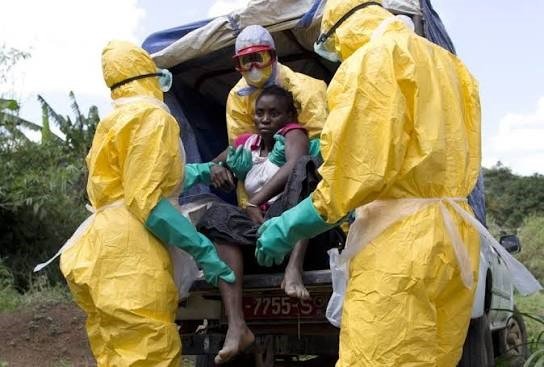
The World Health Organization (WHO) continues to closely monitor emerging infectious disease outbreaks around the world, emphasizing the importance of early detection, rapid response, and international cooperation to reduce the risk of widespread transmission.
Health experts say continuous disease surveillance has become increasingly important as factors such as global travel, urbanization, climate change, and changing interactions between humans, animals, and the environment create new opportunities for infectious diseases to emerge and spread.
Global Surveillance Plays a Critical Role
The WHO works with national governments, laboratories, healthcare providers, and international public health partners to identify unusual disease events, assess potential risks, and coordinate responses when necessary.
Disease surveillance systems help public health authorities detect outbreaks early, allowing health officials to investigate cases, identify sources of infection, and implement measures aimed at limiting further spread.

Experts note that rapid reporting and transparent information sharing remain essential components of global health security.
What Are Emerging Infectious Diseases?
Emerging infectious diseases are illnesses caused by viruses, bacteria, parasites, or fungi that have either:
- Recently appeared in a population.
- Expanded into new geographic areas.
- Increased rapidly in the number of reported cases.
- Re-emerged after previously being under control.
Some infectious diseases may also evolve over time, requiring continuous monitoring to understand changes in transmission patterns or disease severity.
Common Sources of Emerging Diseases
According to public health experts, emerging infections may result from several factors, including:
- Increased international travel
- Climate and environmental changes
- Population growth and urbanization
- Human interaction with wildlife
- Changes in mosquito and insect populations
- Antimicrobial resistance
- Global trade and food supply networks
These factors can influence how diseases spread and highlight the importance of coordinated public health responses.
Symptoms Often Depend on the Disease
Because emerging infectious diseases vary widely, symptoms differ depending on the specific infection.
Common symptoms that may occur with many infectious diseases include:
- Fever
- Persistent cough
- Fatigue
- Headache
- Muscle aches
- Skin rash
- Vomiting or diarrhea
- Difficulty breathing in severe cases
Healthcare professionals advise individuals experiencing persistent or worsening symptoms to seek medical evaluation rather than attempting self-diagnosis.
Preparedness Remains a Public Health Priority
Public health officials say preparedness involves strengthening healthcare systems, expanding laboratory testing capacity, improving disease reporting, and educating communities about infection prevention.
Healthcare workers also play a key role by recognizing unusual disease patterns and reporting suspected outbreaks to health authorities for further investigation.
Preventing the Spread of Infectious Diseases
Health experts recommend several everyday practices that can help reduce the spread of many infectious diseases:
- Wash hands regularly with soap and clean water.
- Stay home when feeling unwell.
- Cover coughs and sneezes properly.
- Maintain good ventilation in indoor spaces.
- Keep vaccinations up to date when recommended.
- Practice safe food handling and proper hygiene.
- Avoid unnecessary contact with sick individuals.
- Seek medical advice promptly if symptoms become severe or persistent.
These preventive measures remain effective against a wide range of infectious diseases and support broader public health efforts.
International Cooperation Supports Faster Responses
The WHO continues to work alongside governments, research institutions, and public health agencies to monitor disease activity, provide technical guidance, and support countries responding to outbreaks.
Health experts emphasize that global collaboration enables scientists and public health officials to share data, improve laboratory capacity, develop diagnostic tools, and strengthen preparedness for future health threats.
Public Health Message
Although emerging infectious diseases continue to pose challenges worldwide, experts stress that strong surveillance systems, early detection, timely medical care, and public cooperation remain the foundation of effective outbreak response.
Individuals are encouraged to stay informed through reliable public health sources, follow recommended preventive measures, and seek professional medical advice if they develop symptoms consistent with an infectious illness.
Health authorities say continued investment in disease surveillance and international cooperation will remain essential in protecting communities from future outbreaks.
Disclaimer: This article is intended for informational purposes only and should not replace professional medical advice or official public health guidance. Individuals experiencing symptoms of an infectious disease should consult a qualified healthcare provider.




