


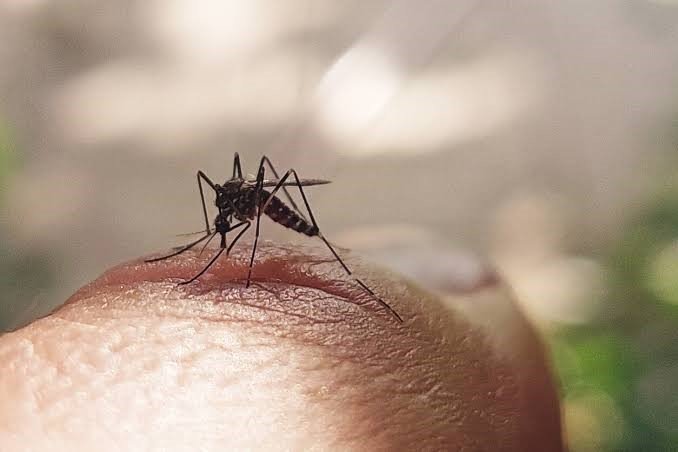
Health authorities in several parts of the world are reporting an increase in dengue fever cases, prompting renewed calls for stronger mosquito control measures and greater public awareness of the disease’s symptoms and prevention strategies.
Dengue fever is a viral infection transmitted primarily through the bite of infected Aedes mosquitoes, particularly Aedes aegypti. The disease is common in tropical and subtropical regions and has become an increasing public health concern due to expanding mosquito habitats, rapid urbanization, climate-related factors, and international travel.
Medical experts say most people recover with appropriate supportive care, but some cases can develop into severe dengue, a potentially life-threatening condition that requires immediate medical attention.
Global Health Authorities Monitor Rising Cases
Public health agencies have observed periodic increases in dengue infections in several countries across Asia, Latin America, Africa, and parts of the Pacific. Health experts attribute the rise to a combination of favorable breeding conditions for mosquitoes, increased rainfall in some regions, warmer temperatures, and population growth in urban areas.

As dengue continues to spread in affected regions, authorities are encouraging communities to eliminate mosquito breeding sites and seek medical care promptly when symptoms develop.
What Is Dengue Fever?
Dengue fever is caused by one of four closely related dengue viruses. It spreads through the bite of an infected mosquito and is not transmitted directly from one person to another through casual contact.
After being bitten by an infected mosquito, symptoms typically appear within four to ten days.
Common Symptoms
Health professionals say dengue symptoms can range from mild to severe and may include:
- Sudden high fever
- Severe headache
- Pain behind the eyes
- Muscle and joint pain
- Nausea and vomiting
- Skin rash
- Fatigue
Many patients recover within one to two weeks, but medical experts warn that symptoms should be monitored carefully, particularly in vulnerable individuals.
Warning Signs of Severe Dengue
Although most infections are mild, severe dengue can develop and requires urgent medical treatment.
Warning signs include:
- Severe abdominal pain
- Persistent vomiting
- Difficulty breathing
- Bleeding from the gums or nose
- Blood in vomit or stool
- Extreme weakness or restlessness
Anyone experiencing these symptoms should seek immediate medical care, as severe dengue can lead to serious complications if left untreated.
Who Is Most at Risk?
While dengue can affect people of all ages, certain groups may face a greater risk of severe illness, including:
- Young children
- Older adults
- Pregnant women
- People with weakened immune systems
- Individuals who have previously had dengue infection
Healthcare professionals recommend close monitoring of these groups if dengue is suspected.
There Is No Specific Cure
There is currently no specific antiviral treatment for dengue fever.
Doctors explain that treatment focuses on relieving symptoms, maintaining adequate hydration, and monitoring for complications. Most patients recover with rest, fluids, and supportive medical care.
Health experts advise against taking medications containing aspirin or certain anti-inflammatory drugs without medical guidance, as they may increase the risk of bleeding in suspected dengue cases.
Preventing Mosquito Bites
Because dengue is spread by mosquitoes, prevention remains the most effective way to reduce infection.
Health authorities recommend:
- Removing stagnant water from containers, old tires, buckets, flower pots, and gutters where mosquitoes can breed.
- Covering water storage containers securely.
- Using insecticide-treated mosquito nets where appropriate.
- Applying approved mosquito repellents.
- Wearing long-sleeved clothing and long trousers, especially during the day when Aedes mosquitoes are most active.
- Installing window and door screens to help keep mosquitoes out of homes.
Community-wide mosquito control efforts are also considered essential in reducing transmission.
Travelers Should Stay Informed
People traveling to areas experiencing dengue outbreaks are encouraged to check local public health advisories before departure and take appropriate measures to prevent mosquito bites throughout their trip.
Early recognition of symptoms after returning from affected areas can also help ensure timely medical evaluation.
Public Health Message
Health experts emphasize that increased awareness, early medical attention, and effective mosquito control remain key to reducing the impact of dengue fever.
Individuals who develop persistent fever or other symptoms consistent with dengue should seek evaluation from a qualified healthcare provider rather than attempting self-diagnosis or self-medication.
With continued public health surveillance and community participation in mosquito control, authorities hope to reduce transmission and protect populations at risk.
Disclaimer: This article is for informational purposes only and should not replace professional medical advice. Anyone experiencing symptoms of dengue fever or severe illness should seek prompt medical evaluation from a qualified healthcare provider.




