


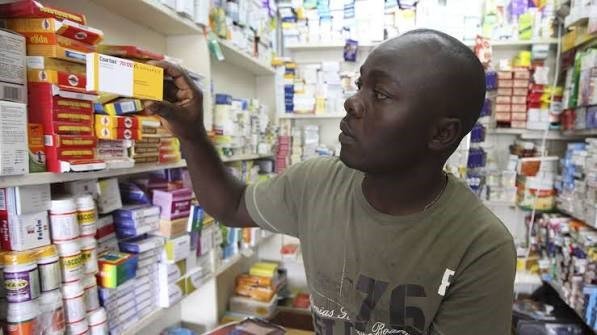
Health experts are urging the public to avoid self-medication for suspected malaria, warning that treating the illness without proper medical evaluation could delay accurate diagnosis, contribute to drug resistance, and increase the risk of serious complications.
Malaria remains one of the most common mosquito-borne diseases in many parts of Africa, including Nigeria. While the disease is preventable and treatable, medical professionals say many people continue to purchase antimalarial drugs without confirming whether malaria is the actual cause of their symptoms.
Similar Symptoms Can Lead to Misdiagnosis
According to healthcare professionals, malaria shares several symptoms with other illnesses, making self-diagnosis unreliable.
Common symptoms associated with malaria include:

- Fever
- Chills
- Headache
- Body aches
- Fatigue
- Nausea and vomiting
- Sweating
These symptoms can also occur in illnesses such as typhoid fever, influenza, COVID-19, dengue fever, and other viral or bacterial infections. Treating oneself for malaria without testing may allow the real illness to worsen.
Why Self-Medication Can Be Dangerous
Medical experts warn that taking antimalarial drugs without professional advice carries several risks.
These include:
- Delayed diagnosis of other serious illnesses
- Incorrect use or dosage of medication
- Increased risk of drug-resistant malaria parasites
- Unnecessary exposure to medication side effects
- Delayed treatment for severe malaria or other conditions
Health professionals emphasize that persistent fever should not automatically be assumed to be malaria.
The Importance of Laboratory Testing
Doctors recommend that individuals with suspected malaria undergo a laboratory-confirmed diagnosis before beginning treatment.
Rapid Diagnostic Tests (RDTs) and microscopic blood tests are widely used to detect malaria parasites and help healthcare providers determine the appropriate treatment.
Testing before treatment helps reduce unnecessary use of antimalarial medicines and ensures patients receive care that matches their condition.
Children and Pregnant Women Need Special Care
Health experts note that children under five years of age and pregnant women are among those most vulnerable to severe malaria.
In these groups, delayed diagnosis or inappropriate treatment can lead to serious complications. Parents and caregivers are encouraged to seek prompt medical attention rather than relying on over-the-counter medications without guidance.
Preventing Malaria Remains Essential
Alongside early diagnosis and appropriate treatment, public health officials continue to encourage preventive measures to reduce mosquito bites and lower malaria transmission.
Recommended preventive measures include:
- Sleeping under insecticide-treated mosquito nets
- Eliminating stagnant water where mosquitoes breed
- Installing window and door screens where possible
- Wearing clothing that reduces skin exposure during peak mosquito activity
- Using approved mosquito repellents when appropriate
- Seeking medical care promptly when fever develops
Responsible Use of Medicines
Healthcare professionals also caution against sharing prescription medications or using leftover antimalarial drugs from previous illnesses. Treatment recommendations may vary depending on the patient’s age, weight, health status, and the type of malaria infection.
Completing the full course of prescribed medication is important, even if symptoms improve before treatment ends.
Public Health Message
Health experts stress that malaria remains a major public health concern, but timely diagnosis and appropriate treatment can significantly improve outcomes.
Rather than relying on self-medication, individuals experiencing fever or other symptoms suggestive of malaria are encouraged to visit a qualified healthcare facility for testing and professional medical advice.
Early diagnosis, proper treatment, and consistent malaria prevention measures remain critical in reducing the burden of the disease and protecting vulnerable communities.
Disclaimer: This article is for informational purposes only and should not replace professional medical advice. Anyone experiencing severe symptoms or suspected malaria should seek evaluation from a qualified healthcare provider as soon as possible.




