


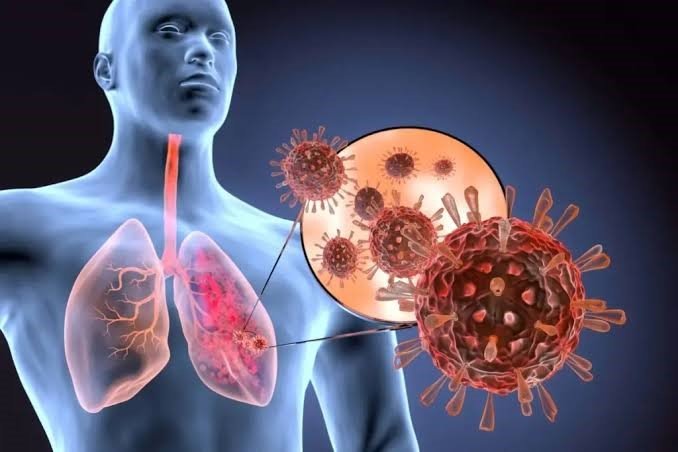
As rainy weather continues across many regions, health professionals are encouraging the public to take extra precautions against respiratory infections, which often become more common during wet seasons.
Although rain itself does not directly cause illnesses such as the common cold, influenza, or other respiratory infections, experts say changes in weather, humidity, indoor crowding, and exposure to disease-causing viruses create conditions that allow infections to spread more easily.
Why Respiratory Infections Become More Common
Medical experts explain that rainy weather often leads people to spend more time indoors, where close contact with others can increase the spread of viruses through coughing, sneezing, and contaminated surfaces.
Poor ventilation in homes, offices, schools, and public transportation can further increase the risk of airborne infections.

In addition, sudden temperature changes may place temporary stress on the body’s natural defense mechanisms, making some individuals more susceptible to infections, particularly children, older adults, and people with weakened immune systems.
Common Respiratory Infections During the Rainy Season
Several respiratory illnesses tend to circulate more frequently during periods of persistent rainfall. These include:
- The common cold
- Influenza (flu)
- Respiratory syncytial virus (RSV)
- COVID-19
- Bronchitis
- Pneumonia in vulnerable individuals
Health professionals note that many respiratory infections share similar symptoms, making proper medical evaluation important when symptoms become severe or persistent.
Symptoms to Watch For
People experiencing respiratory infections may develop:
- Persistent cough
- Sore throat
- Runny or blocked nose
- Sneezing
- Fever
- Headache
- Fatigue
- Body aches
- Difficulty breathing in more serious cases
Experts advise seeking medical attention promptly if symptoms include chest pain, shortness of breath, confusion, persistent high fever, or symptoms that worsen after several days.
Who Faces Greater Risk?
While anyone can develop a respiratory infection, some groups face a higher risk of complications, including:
- Young children
- Adults aged 65 years and older
- Pregnant women
- People living with chronic heart or lung disease
- Individuals with diabetes
- People with weakened immune systems
Early medical care can help reduce the risk of severe illness in these populations.
How to Reduce the Risk
Public health specialists recommend several practical steps to lower the chances of infection during the rainy season:
- Wash hands regularly with soap and water.
- Cover coughs and sneezes with a tissue or elbow.
- Avoid close contact with people who are sick.
- Keep indoor spaces well ventilated whenever possible.
- Stay home when feeling unwell to reduce transmission.
- Eat a balanced diet and stay hydrated.
- Get enough sleep to support the immune system.
- Follow local public health recommendations on seasonal vaccinations where available.
Health experts also discourage the unnecessary use of antibiotics, noting that antibiotics do not treat viral infections such as the common cold or influenza and should only be used when prescribed by a qualified healthcare professional.
Rain Does Not Directly Cause Colds
A common misconception is that getting caught in the rain automatically causes respiratory illness. Medical experts explain that respiratory infections are caused by viruses or bacteria—not by rain itself.
However, rainy weather may indirectly increase the likelihood of infection because people spend more time in enclosed spaces where viruses spread more efficiently.
Public Health Reminder
As communities continue to experience seasonal rainfall, health authorities encourage individuals to remain vigilant by practicing good hygiene, recognizing early symptoms, and seeking appropriate medical care when necessary.
Preventive measures, combined with timely medical attention, remain among the most effective ways to reduce the spread of respiratory infections and protect vulnerable members of the community.
Disclaimer: This article is intended for informational purposes only and should not replace professional medical advice. Anyone experiencing severe or persistent symptoms should consult a qualified healthcare provider.




