


Health experts are encouraging people to adopt balanced and nutritious diets to help support a healthy immune system, emphasizing that proper nutrition plays an important role in the body’s ability to defend itself against infections and recover from illness.
While no single food or supplement can prevent all diseases, doctors say consuming a variety of nutrient-rich foods can help the immune system function effectively and contribute to overall health.
The advice comes as healthcare professionals continue to promote healthy lifestyle habits as part of broader efforts to reduce the burden of infectious and chronic diseases.
The Link Between Nutrition and Immunity
The immune system relies on a steady supply of vitamins, minerals, proteins, and other nutrients to produce immune cells and maintain normal body functions.

Medical experts explain that poor nutrition may affect the body’s ability to respond to infections, while a balanced diet helps provide the nutrients needed to support healthy immune function.
Nutrition is only one part of maintaining good health, but it remains a key component of disease prevention and recovery.
What Makes a Balanced Diet?
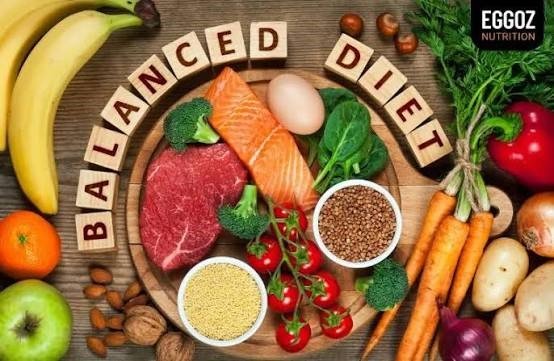
According to healthcare professionals, a balanced diet includes foods from different food groups in appropriate portions.
These include:
- Fruits rich in vitamins and antioxidants
- Vegetables of different colours
- Whole grains such as oats, brown rice, millet, and whole wheat
- Lean sources of protein, including fish, poultry, eggs, beans, and legumes
- Healthy fats from foods such as nuts, seeds, avocados, and vegetable oils
- Dairy products or suitable alternatives where appropriate
Experts recommend choosing a variety of foods rather than relying heavily on one particular item.
Nutrients That Support Immune Function
Several nutrients contribute to the normal functioning of the immune system, including:
Vitamin C: Found in citrus fruits, oranges, guavas, tomatoes, bell peppers, and leafy vegetables.
Vitamin D: Obtained through safe sunlight exposure, fortified foods, and certain types of fish.
Vitamin A: Present in carrots, sweet potatoes, spinach, pumpkin, and liver.
Zinc: Found in meat, seafood, beans, nuts, seeds, and whole grains.
Protein: Supports the production and repair of body tissues and immune cells.
Health professionals stress that these nutrients are most beneficial when obtained through a balanced diet rather than excessive supplementation unless advised by a healthcare provider.
Healthy Lifestyle Habits Also Matter
Doctors note that nutrition works best alongside other healthy lifestyle practices.
These include:
- Getting enough sleep each night
- Staying physically active
- Drinking adequate amounts of clean water
- Managing stress effectively
- Avoiding tobacco products
- Limiting excessive alcohol consumption where applicable
- Practising good personal hygiene
Together, these habits help support overall health and the body’s natural defence systems.
Avoid Relying on “Immunity Boosting” Claims
Healthcare experts caution consumers against believing that any single food, drink, or supplement can instantly “boost” immunity or prevent infection.
Many products marketed with such claims may not have strong scientific evidence to support them.
Doctors advise people to seek nutrition information from qualified healthcare professionals and rely on evidence-based dietary recommendations.
Children and Older Adults Need Good Nutrition
Balanced nutrition is particularly important for children, whose bodies are still developing, and for older adults, who may face changes in immune function with age.
Pregnant women and individuals living with chronic medical conditions may also have specific nutritional needs and should seek professional dietary guidance where necessary.
Ensuring access to healthy meals can contribute to better long-term health outcomes across all age groups.
When to Seek Professional Advice
Individuals experiencing unexplained weight loss, poor appetite, persistent fatigue, or medical conditions affecting nutrition should consult a qualified healthcare provider or registered dietitian for personalised advice.
Healthcare professionals may recommend specific dietary changes or nutritional support depending on an individual’s health status.
Public Health Message
Health experts say maintaining a balanced diet remains one of the most practical ways to support overall well-being and healthy immune function.
Choosing a variety of nutritious foods, staying physically active, getting enough rest, and following other healthy lifestyle practices can help individuals build resilience against illness and support long-term health.
While good nutrition cannot guarantee protection from every infection, doctors agree that it remains a fundamental part of maintaining a healthy body throughout every stage of life.
Disclaimer: This article is intended for informational purposes only and should not replace professional medical advice. Individuals with specific dietary needs or underlying health conditions should consult a qualified healthcare provider or registered dietitian for personalised guidance.




