


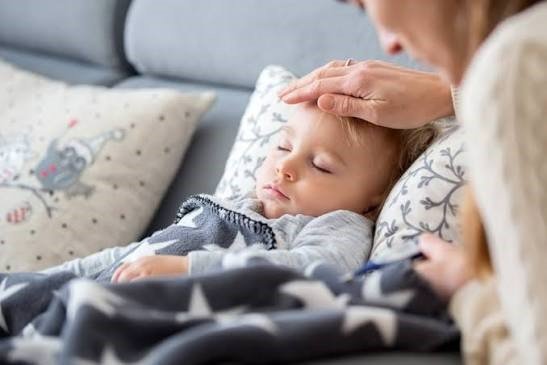
Health experts are encouraging parents and caregivers to take proactive steps to protect children from seasonal illnesses, noting that changes in weather often contribute to an increase in infections that can affect young children.
During rainy and colder seasons in many regions, healthcare professionals frequently report a rise in cases of respiratory infections, malaria, diarrhoeal diseases, influenza, and other common childhood illnesses. While many of these conditions are treatable, early prevention and prompt medical attention remain essential to reducing complications.
Medical experts say children, particularly infants and those under the age of five, have developing immune systems that may make them more vulnerable to infections.
Common Seasonal Illnesses in Children
Several illnesses tend to become more common during seasonal weather changes. These include:

- Common cold
- Influenza (flu)
- Malaria
- Pneumonia
- Bronchiolitis
- Diarrhoeal diseases
- Ear infections
- Viral throat infections
The prevalence of specific illnesses may vary depending on local weather conditions, mosquito activity, sanitation, and public health factors.
Why Children Are More Vulnerable
According to healthcare professionals, children often spend time in schools, daycare centres, playgrounds, and other settings where germs can spread easily through close contact.
In addition, younger children may be less likely to practise proper hand hygiene or cover their mouths when coughing or sneezing, increasing the risk of transmitting infections.
Experts also note that poor nutrition, inadequate sleep, and delayed medical care can affect a child’s ability to recover from illness.
Symptoms Parents Should Watch For
Health experts advise parents to monitor children for symptoms that may require medical evaluation, including:
- Persistent fever
- Continuous coughing
- Difficulty breathing
- Runny or blocked nose
- Vomiting or diarrhoea
- Refusal to eat or drink
- Unusual tiredness or weakness
- Skin rash
- Persistent ear pain
Parents are encouraged to seek prompt medical advice if symptoms become severe, worsen over time, or are accompanied by signs of dehydration or breathing difficulties.
Preventive Measures Can Reduce Risk
Healthcare professionals recommend several practical steps to help protect children during periods when seasonal illnesses are more common.
These include:
- Washing children’s hands regularly with soap and clean water.
- Encouraging proper cough and sneeze etiquette.
- Ensuring children receive recommended routine vaccinations.
- Providing balanced meals rich in fruits, vegetables, whole grains, and protein.
- Encouraging adequate sleep and regular physical activity.
- Keeping children well hydrated.
- Avoiding close contact with individuals who are visibly ill.
- Keeping homes and classrooms well ventilated where possible.
These measures can help reduce exposure to infectious germs and support children’s overall health.
Preventing Mosquito-Borne Diseases
In areas where malaria and other mosquito-borne illnesses are common, health experts advise parents to:
- Ensure children sleep under insecticide-treated mosquito nets.
- Remove standing water around homes where mosquitoes breed.
- Dress children in protective clothing during periods of high mosquito activity.
- Use child-appropriate mosquito repellents according to healthcare guidance.
Reducing mosquito breeding sites remains an important part of community disease prevention efforts.
Safe Food and Water Practices
Doctors also stress the importance of safe food preparation and access to clean drinking water, particularly during rainy seasons when water contamination may increase.
Parents should:
- Wash fruits and vegetables thoroughly.
- Prepare food under hygienic conditions.
- Store cooked food safely.
- Encourage children to drink clean, safe water.
These practices help reduce the risk of diarrhoeal illnesses and foodborne infections.
Avoid Self-Medication
Health professionals caution against giving children antibiotics or other medications without proper medical advice.
Many seasonal illnesses are caused by viruses, and antibiotics are not effective against viral infections. Incorrect medication use may delay appropriate treatment or contribute to antimicrobial resistance.
Parents are encouraged to consult qualified healthcare providers before administering medicines, especially to infants and young children.
Early Medical Care Improves Outcomes
Doctors say early diagnosis and timely treatment can prevent many seasonal illnesses from progressing into more serious conditions.
Children with persistent high fever, difficulty breathing, repeated vomiting, severe diarrhoea, convulsions, or unusual drowsiness should receive immediate medical attention.
Regular health check-ups can also help identify potential health concerns before complications develop.
Public Health Message
Health experts emphasise that protecting children from seasonal illnesses requires a combination of good hygiene, proper nutrition, vaccination, environmental cleanliness, and timely healthcare.
By adopting preventive measures at home, in schools, and within communities, parents and caregivers can significantly reduce children’s risk of infection and support their healthy growth and development throughout the year.
Disclaimer: This article is intended for informational purposes only and should not replace professional medical advice. Parents and caregivers should consult a qualified healthcare provider if a child develops persistent or severe symptoms or if they have concerns about their child’s health.




