


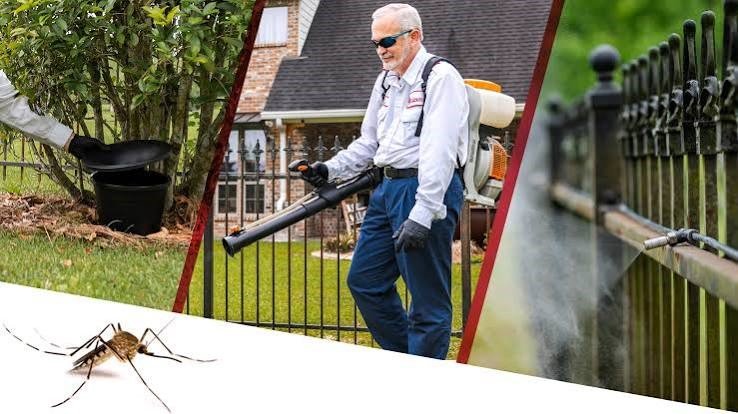
Health experts are urging communities to strengthen mosquito control efforts during the rainy season, warning that increased rainfall creates ideal breeding conditions for mosquitoes that transmit potentially serious diseases.
Public health authorities say stagnant water left behind after heavy rains can quickly become breeding sites for mosquitoes, increasing the risk of diseases such as malaria, dengue fever, yellow fever, chikungunya, and lymphatic filariasis in affected regions.
Experts emphasize that mosquito control remains one of the most effective public health measures for reducing disease transmission and protecting vulnerable populations.
Rainy Season Creates Ideal Breeding Conditions
Mosquitoes lay their eggs in stagnant or slow-moving water. During the rainy season, water often collects in open containers, blocked gutters, discarded tyres, flower pots, puddles, and other outdoor objects, allowing mosquito populations to multiply rapidly.

Even small amounts of standing water can serve as breeding sites if left undisturbed for several days.
Health professionals note that urban and rural communities alike may experience increased mosquito activity when drainage systems are poor or floodwaters persist.
Diseases Spread by Mosquitoes
Mosquitoes are among the world’s most significant carriers of infectious diseases. Different mosquito species transmit different illnesses, depending on the region.
Some of the most common mosquito-borne diseases include:
- Malaria
- Dengue fever
- Yellow fever
- Chikungunya
- Zika virus disease
- Lymphatic filariasis
Health experts stress that not every mosquito carries disease, but reducing mosquito populations helps lower the overall risk of transmission.
Children and Pregnant Women Face Higher Risks
Certain groups are more vulnerable to complications from mosquito-borne diseases.
These include:
- Children under five years of age
- Pregnant women
- Older adults
- People with weakened immune systems
- Individuals living with chronic medical conditions
Healthcare providers encourage these groups to take extra precautions during periods of increased mosquito activity.
Community Action Plays a Key Role
Public health specialists say mosquito control is most effective when communities work together to eliminate breeding sites.
Recommended actions include:
- Emptying containers that collect rainwater.
- Clearing blocked gutters and drainage channels.
- Properly disposing of old tyres, cans, bottles, and other items that can hold water.
- Covering water storage containers securely.
- Keeping surroundings clean to discourage mosquito breeding.
Local environmental sanitation campaigns can also contribute significantly to reducing mosquito populations.
Personal Protection Measures
In addition to environmental control, health experts recommend several personal protective measures:
- Sleep under insecticide-treated mosquito nets.
- Install screens on doors and windows where possible.
- Wear long-sleeved clothing and long trousers, especially during peak mosquito activity.
- Use approved mosquito repellents according to product instructions.
- Keep doors and windows closed when mosquito activity is highest.
These preventive measures can help reduce the likelihood of mosquito bites both indoors and outdoors.
Early Recognition of Symptoms Is Important
People who develop symptoms such as fever, chills, headache, body aches, rash, or unusual fatigue after mosquito exposure are encouraged to seek medical evaluation promptly.
Early diagnosis allows healthcare providers to identify the cause of illness and begin appropriate treatment where necessary.
Medical experts caution against self-diagnosing mosquito-borne diseases, as many share similar symptoms with other infections.
Climate and Urban Growth Increase Challenges
Health researchers note that changing weather patterns, rapid urbanisation, and expanding human settlements may contribute to the spread of mosquitoes into new areas.
Improved drainage systems, effective waste management, and sustained public health education are considered important components of long-term mosquito control strategies.
Public Health Message
Health authorities stress that preventing mosquito breeding is far more effective than responding to disease outbreaks after they occur.
By removing standing water, maintaining clean surroundings, using mosquito protection measures, and seeking prompt medical attention when symptoms arise, individuals and communities can help reduce the spread of mosquito-borne diseases during the rainy season.
As rainfall continues in many regions, experts encourage everyone to make mosquito control part of their routine environmental hygiene practices to protect public health.
Disclaimer: This article is for informational purposes only and should not replace professional medical advice. Anyone experiencing symptoms consistent with a mosquito-borne illness should seek evaluation from a qualified healthcare provider promptly.




