


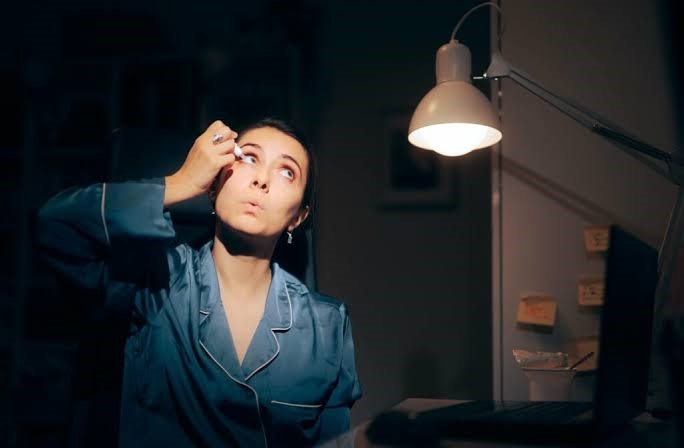
Dry eye is a common condition that occurs when the eyes do not produce enough tears or when tears evaporate too quickly to maintain adequate lubrication. It affects millions of people globally and can become more noticeable at night, when reduced blinking and environmental factors can worsen discomfort.
Although many cases are mild and temporary, persistent symptoms may require medical attention or ongoing management to prevent complications.
How the eye maintains moisture
The surface of the eye is protected by a thin tear film that is essential for comfort and visual clarity. This tear film performs several key functions, including lubricating the eye, removing dust and debris, protecting against infection, and keeping the surface smooth for clear vision.
It is made up of three layers: an outer oily layer that slows evaporation, a middle watery layer that provides moisture and cleans the eye, and an inner mucus layer that helps the tears spread evenly across the eye surface.

Disruption in any of these layers can lead to dry eye symptoms.
Symptoms of dry eyes at night
Dry eye symptoms may become more noticeable in the evening or during sleep. Common signs include burning, stinging, or itching sensations, eye redness, sensitivity to light, blurred or fluctuating vision, a gritty or foreign-body sensation, and excessive tearing. Some individuals may also experience discomfort when wearing contact lenses or notice stringy mucus around the eyes.
In more severe cases, symptoms may interfere with sleep quality or daily visual tasks.
Causes of dry eyes at night
Dry eye develops when there is an imbalance in tear production, tear quality, or tear evaporation. Several factors can contribute to this condition, particularly at night.
One possible cause is sleeping with the eyes partially open, a condition that prevents the eye surface from staying fully lubricated. Reduced tear production due to dehydration, aging, or hormonal changes can also contribute. Individuals over the age of 50 are at higher risk, as tear production naturally declines with age.
Medical conditions such as autoimmune disorders, diabetes, thyroid disease, and rheumatoid conditions may also affect tear production. In addition, certain medications, including antihistamines, antidepressants, diuretics, and some hormonal treatments, can reduce tear quality or quantity.
Environmental and lifestyle factors also play a role. Extended screen use, exposure to dry air, wind, smoke, or air conditioning, and long-term contact lens use may all worsen symptoms. Nutritional deficiencies, particularly low levels of vitamin A and omega-3 fatty acids, can further affect eye moisture and health.
Treatment options
Treatment depends on the severity and underlying cause of the condition.
Lubricating eye drops are often the first line of care. These artificial tears help restore moisture and reduce irritation. Preservative-free formulations are generally preferred for frequent use to minimize eye irritation.
For more persistent cases, prescription eye drops that reduce inflammation or stimulate tear production may be recommended. In some cases, medications may be adjusted if they are contributing to symptoms.
Other treatment approaches focus on preserving natural tears. Small plugs may be inserted into the tear ducts to slow drainage and keep moisture in the eyes for longer periods. In more advanced cases, surgical procedures may be considered to correct eyelid issues that contribute to tear evaporation during sleep.
Newer therapies, such as heat-based or light-based treatments, may also be used to improve the function of the oil-producing glands in the eyelids, which play an important role in maintaining tear stability.
Home management strategies
Several home-based measures can help reduce symptoms and improve comfort. These include staying well hydrated, applying warm compresses to the eyes, gently massaging the eyelids, and maintaining good eyelid hygiene. Increasing omega-3 and vitamin A intake may also support eye health.
Environmental adjustments can also make a difference. Using a humidifier, avoiding exposure to smoke or dry air, limiting direct airflow from fans or air conditioners, and wearing protective eyewear outdoors may help reduce irritation.
Reducing screen time and taking regular breaks during digital device use can also help improve blinking rates and reduce strain.
When to seek medical care
Mild dry eye symptoms that occur occasionally may resolve without treatment. However, medical attention is recommended if symptoms are persistent, severe, or do not improve with over-the-counter treatments or lifestyle changes.
If left untreated, chronic dry eye can lead to complications such as damage to the cornea, increased risk of infection, and in severe cases, vision impairment.
Frequently asked question
A common nutritional factor linked to dry eye is insufficient intake of vitamin A or omega-3 fatty acids, both of which play a role in maintaining tear production and eye surface health.
Summary
Dry eyes at night occur when the eyes are unable to maintain adequate moisture during periods of reduced blinking and increased environmental exposure. The condition can result from aging, medical disorders, medications, lifestyle habits, or environmental factors.
While many cases are manageable with simple interventions, persistent symptoms should not be ignored. Early treatment helps reduce discomfort and prevents potential long-term damage to the eye surface.




