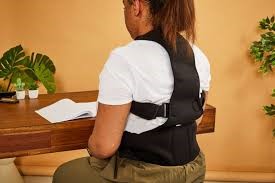
Poor posture has emerged as a widespread health concern in modern society, driven largely by long hours spent hunched over computers, mobile devices and steering wheels. Beyond cosmetic concerns, experts warn that improper alignment can lead to chronic pain, reduced mobility and even impaired breathing.
According to physical therapists, however, consistent, targeted exercises can effectively counter these effects and help restore proper posture.
Understanding posture-related imbalances
Sedentary lifestyles often lead to predictable patterns of muscular imbalance. One of the most common is upper cross syndrome, marked by forward head posture, rounded shoulders and weakened upper back muscles.
At the same time, prolonged sitting contributes to lower cross syndrome, where tight hip flexors and hamstrings combine with weakened glute muscles to disrupt pelvic alignment. While these conditions develop gradually, specialists note they can be corrected with regular movement and strengthening routines.

Five key exercises for posture correction
Chin tucks
Designed to address forward head posture, chin tucks strengthen the deep neck flexor muscles. Experts note that even slight forward positioning of the head significantly increases strain on the cervical spine. This simple movement can be performed multiple times daily, particularly after extended screen use.
Wall angels
Wall angels help counter rounded shoulders by strengthening upper back muscles and improving shoulder blade mobility. The exercise encourages proper alignment by reinforcing the muscles responsible for pulling the shoulders back.
Thoracic extensions
Stiffness in the mid-back, or thoracic spine, is a common result of prolonged sitting. Thoracic extension exercises, often performed with a foam roller, help open the chest, relieve spinal pressure and support better breathing mechanics.
Cat-cow stretches
Borrowed from yoga practice, the cat-cow sequence promotes spinal flexibility and improves body awareness. The flowing motion between arching and rounding the spine also activates core muscles essential for maintaining posture.
Glute bridges
Weak glute muscles can contribute to lower back pain and poor pelvic positioning. Glute bridges activate these key stabilizers while also stretching tight hip flexors, helping to restore balance in the lower body.
Building sustainable habits
Health professionals emphasize that consistency is more important than intensity when correcting posture. Short daily sessions even as little as 10 to 15 minutes are more effective than occasional, longer workouts.
Incorporating posture checks throughout the day, alongside ergonomic improvements to workspaces, can further reinforce proper alignment. Over time, these small but consistent efforts can lead to lasting improvements in posture, comfort and overall physical health.