


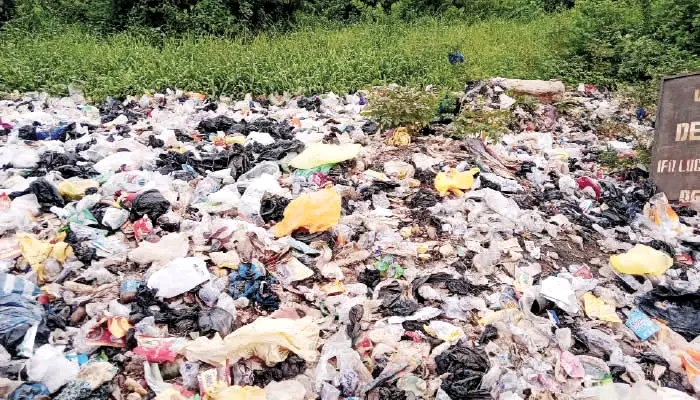
NIGERIA – Waste management experts have called for stronger regulatory frameworks to improve waste disposal systems across the country, arguing that clear policies and enforcement mechanisms are essential to attract private sector investment and strengthen national sanitation infrastructure.
Industry stakeholders say Nigeria’s waste management sector continues to struggle with inconsistent policies, weak enforcement, and inadequate infrastructure, which have limited efficiency in both urban and rural areas. They noted that without strong regulations, private investors remain reluctant to commit long-term resources to the sector.
Experts emphasized that modern waste management requires a structured system that integrates collection, recycling, treatment, and disposal under a well-regulated environment. They explained that countries with effective waste systems typically combine strict regulations with incentives that encourage private sector participation.
According to environmental analysts, improving waste management in Nigeria will require coordinated efforts between federal, state, and local governments. They stressed that fragmentation in policy implementation has contributed to poor waste collection and illegal dumping in several cities.

The discussion comes amid growing concerns over environmental degradation, flooding linked to blocked drainage systems, and rising health risks associated with improper waste disposal. Experts warned that these challenges could worsen if regulatory gaps are not urgently addressed.
Stakeholders also pointed out that private waste management firms often face operational challenges such as delayed payments, unclear contracts, and lack of standardised pricing systems. They argued that stronger regulations would create a more predictable business environment and encourage investment in recycling and waste-to-energy projects.
Environmental policy advocates said improved regulation could also help Nigeria transition toward a circular economy model, where waste is treated as a resource rather than a burden. They noted that this shift could generate employment opportunities while reducing environmental pollution.
Experts further recommended the introduction of stricter compliance monitoring systems, including penalties for illegal dumping and incentives for households and businesses that adopt proper waste segregation practices.
They urged government agencies responsible for environmental management to strengthen collaboration with private operators and community-based organisations to improve service delivery.
The National Environmental Standards and Regulations Enforcement Agency has in recent years increased efforts to enforce environmental standards, but experts argue that more consistent implementation is needed to achieve lasting impact.
Analysts concluded that without robust and enforceable regulations, Nigeria may continue to face mounting waste management challenges, particularly in rapidly growing urban centres where population growth is outpacing infrastructure development.

