


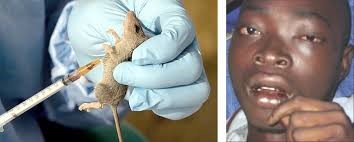
The Lagos State Government has raised concerns over the rapid spread of Lassa fever across the country, launching a statewide awareness and prevention campaign as fatalities continue to rise.
At the campaign’s launch, the Commissioner for Health, Akin Abayomi, revealed that Nigeria recorded over 660 confirmed cases and 167 deaths between January and mid-March 2026, making it one of the most severe outbreaks in recent years.
He described the development as a serious national health threat, noting that the disease has spread to 22 states and 93 local government areas, underscoring the need for urgent and coordinated action.
Health Workers Among Victims

Authorities expressed growing concern over infections among frontline health workers. At least 38 medical personnel have been infected, with three doctors confirmed dead.
“When a disease begins to kill frontline workers, it signals a dangerous escalation,” Abayomi said, calling for stricter adherence to infection prevention and control measures in health facilities.
Understanding the Disease
Lassa fever is a highly contagious viral illness transmitted primarily through contact with infected rodents, with possible human-to-human transmission. It can cause severe haemorrhagic symptoms, including fever and internal bleeding.
Experts warn that even individuals with mild or no symptoms can spread the virus, increasing the risk of undetected transmission.
Lagos Faces Elevated Risk
Although not traditionally endemic, Lagos remains vulnerable due to its dense population and high level of human movement. Officials warn that the city’s status as a commercial hub increases the risk of rapid spread if containment measures are delayed.
“In a megacity like Lagos, infectious diseases can spread very quickly if not contained early,” Abayomi said.
Shift in Transmission Patterns
Health authorities also noted a shift in the pattern of the disease, which is no longer strictly seasonal. Environmental changes and increased interaction between humans and rodent carriers are believed to be driving year-round transmission.
While many infections are mild, experts estimate that about 20 percent of symptomatic cases may develop severe complications, particularly when treatment is delayed.
Emergency Measures Activated
In response, the state has activated its emergency preparedness systems, including a 24-hour Emergency Operations Centre, enhanced surveillance, digital health tools, and ongoing training for healthcare workers.
“Preparedness is not a panic response. It is leadership,” Abayomi stated, emphasizing the focus on early detection, rapid isolation, and effective treatment.
Public Awareness Campaign
The government said it is working with national and international partners to strengthen response efforts. Residents have been urged to remain vigilant and adopt preventive practices.
The ongoing campaign aims to educate communities, support healthcare workers, and reduce transmission as authorities work to contain the outbreak.




