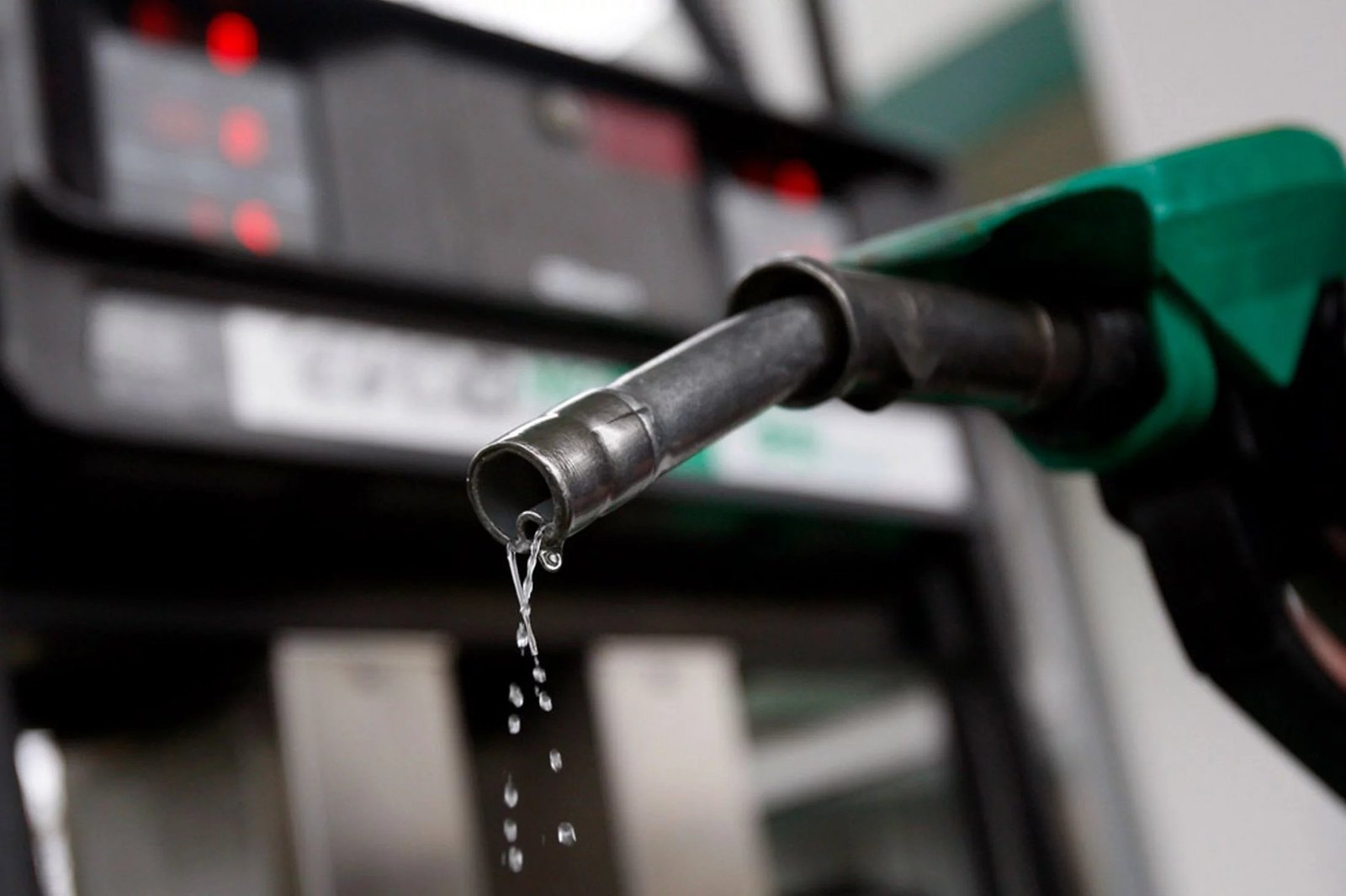
(DDM) – The Nigerian National Petroleum Company Limited (NNPCL) has once again increased the pump price of Premium Motor Spirit (PMS), popularly known as petrol, across its retail outlets amid widespread supply disruptions and public frustration.
Diaspora Digital Media (DDM) reports that filling stations operated by NNPCL in Abuja’s Wuse Zone 6 and Zone 4 now dispense fuel at ₦905 per litre, marking a fresh increase from the previous ₦890 per litre recorded just days ago.
The development has sparked outrage among motorists and commuters who accuse the government of failing to stabilize fuel prices despite repeated assurances that deregulation and domestic refining would end scarcity.
According to Abubakar Maigandi, the president of the Independent Petroleum Marketers Association of Nigeria (IPMAN), the latest hike is connected to supply disruptions caused by the industrial dispute between the Petroleum and Natural Gas Senior Staff Association of Nigeria (PENGASSAN) and the Dangote Refinery.

He explained that the strike action, though recently suspended after federal intervention, caused delays in the supply chain that are still affecting fuel availability nationwide.
“The suspension of the strike has not yet restored normalcy,” Maigandi said. “There are still gaps in supply from depots, and marketers are struggling to meet demand, which is why prices remain unstable.”
As of Monday, reports from Lagos, Port Harcourt, Kano, and Enugu indicate that petrol prices vary between ₦885 and ₦905 per litre, depending on the station and location. Some independent marketers are allegedly selling as high as ₦930 per litre, citing high landing costs and depot prices.
Economic analysts have described the persistent fuel price volatility as a reflection of Nigeria’s deeper structural challenges in the downstream oil sector. They warn that unless the government addresses logistics, import dependence, and refinery inefficiencies, Nigerians will continue to bear the brunt of market instability.
The current price spike is also expected to push inflation higher, as transport fares, food prices, and essential goods costs are likely to rise in the coming weeks.
Meanwhile, long queues have resurfaced in parts of Abuja and other major cities, with motorists lamenting sleepless nights at filling stations and reduced work productivity.
Residents in the capital city told DDM that the situation is worsening daily, with some fuel stations rationing sales and others closing entirely due to low supply.
“I spent four hours in line this morning just to buy 20 litres,” said a taxi driver in Wuse Zone 3. “They keep increasing the price every week, and the government keeps silent. How long can people survive this?”
The NNPCL has yet to issue an official statement addressing the latest adjustment or clarifying when supply levels will normalize.
However, sources within the petroleum sector revealed that the company may have been forced to review prices due to the ripple effects of the recent refinery shutdown, coupled with high distribution costs and limited reserves at depots.
This is the second major price review by NNPCL in less than two months, following earlier adjustments blamed on foreign exchange volatility and logistic challenges.
Experts argue that the situation underscores Nigeria’s failure to achieve energy independence despite having four state-owned refineries and the newly commissioned Dangote Refinery, which was expected to reduce reliance on imports.
As Nigerians continue to endure soaring prices and economic hardship, calls are mounting for transparency in fuel pricing and urgent reforms in the petroleum supply chain.
If the trend continues, analysts warn, the cost of living crisis could deepen, eroding purchasing power and fueling more public discontent.