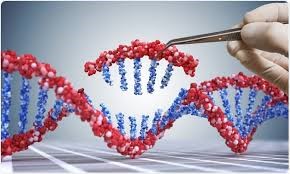
Cancer is often described as a genetic disease, but that does not necessarily mean it is always inherited. At its core, cancer develops when changes, or mutations, occur in the genes of cells, causing them to grow and divide uncontrollably. These abnormal cells can invade surrounding tissues and disrupt normal body functions.
Medical experts classify cancer-related gene mutations into two main categories: hereditary and non-hereditary.
Non-hereditary mutations: The most common cause
The majority of cancers are linked to acquired, or non-hereditary, gene mutations. These occur over time due to damage to a cell’s DNA. Contributing factors may include environmental exposures such as ultraviolet radiation, lifestyle influences and natural errors that happen when cells divide.
These mutations occur in somatic (body) cells and are not passed from parent to child. They are typically limited to specific areas of the body where the mutation develops.

Hereditary mutations and inherited risk
Hereditary mutations, also known as germline mutations, are present in sperm or egg cells and can be passed from one generation to the next. While less common, they play a role in a notable percentage of cancer cases.
According to health authorities, inherited mutations are responsible for approximately 5% to 10% of cancer diagnoses. Individuals who carry these mutations may have a higher likelihood of developing certain cancers, often at a younger age.
However, experts stress that inheriting a gene mutation does not guarantee that cancer will develop — it only increases risk.
How gene mutations occur
Mutations can affect DNA in several ways, altering how cells function. Common types include:
- Substitution mutations, where one part of the DNA is replaced by another, potentially changing how a cell behaves
- Insertion mutations, where extra genetic material is added, altering the structure and function of the cell
- Deletion mutations, where part of the DNA is missing, which can disrupt normal cell processes
While these changes are common, the body often repairs them or eliminates damaged cells. Cancer typically develops only after multiple mutations accumulate over time.
Why cancer risk increases with age
Because mutations build up gradually, cancer is more frequently diagnosed in older individuals. Over time, the likelihood of multiple genetic changes occurring increases, raising the risk of abnormal cell growth.
For individuals with inherited mutations, this process may begin earlier, as they are born with an existing genetic alteration that can accelerate the accumulation of additional mutations.
The role of genetic testing
Advances in genetic testing now allow individuals to better understand their risk of hereditary cancers. Tests are available for several cancer types, including breast, ovarian, prostate, colon and pancreatic cancers, among others.
Genetic testing is often recommended for individuals with:
- A personal or family history of cancer at a young age
- Multiple cancer diagnoses within the same individual or family
- Patterns of specific cancers occurring across generations
Healthcare professionals use both personal and family medical history to determine whether testing is appropriate and to interpret results accurately.
A balanced understanding of risk
While genetic mutations are central to cancer development, experts emphasize that risk is influenced by multiple factors, including environment, lifestyle and overall health.
Understanding whether a mutation is inherited or acquired can help guide prevention strategies, early detection and treatment decisions. However, having a genetic mutation is not a definitive diagnosis it is one piece of a larger health picture.
Moving forward with awareness
As research continues to advance, knowledge of gene mutations is playing an increasingly important role in cancer prevention and care. With proper guidance and informed decision-making, individuals can better understand their risk and take proactive steps toward protecting their health.