


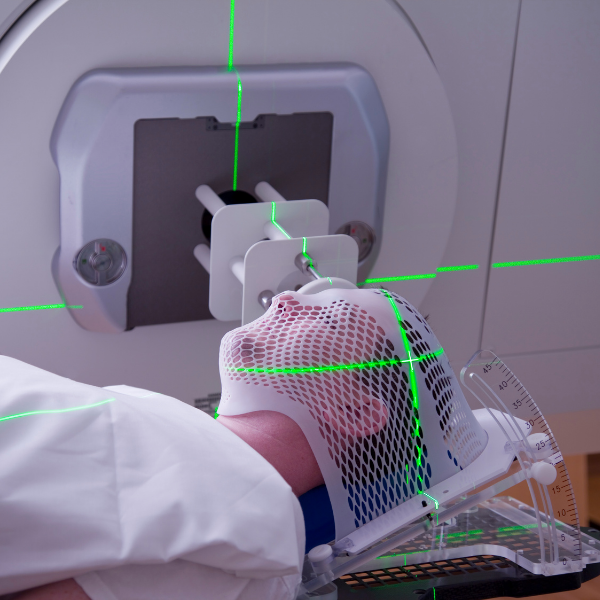
Brachytherapy, a specialized form of radiation therapy, delivers radiation directly to or near a tumor from within the body. Unlike external beam radiation, which targets cancer from outside the body, brachytherapy allows for highly localized treatment, minimizing exposure to surrounding healthy tissues.
Medical experts note that this approach is used in the treatment of several cancers, including breast, prostate, gynecologic, skin, rectal and head and neck cancers.
How brachytherapy is administered
The method of delivery depends on the type and location of the cancer. In most cases, small radioactive materials, often referred to as “seeds” or pellets, are placed in or near the tumor using a catheter, needle or applicator.

Imaging technologies such as CT scans, MRI scans or ultrasound are typically used to guide precise placement of these devices before treatment begins.
There are two primary placement methods:
Interstitial brachytherapy, where radioactive sources are placed directly inside the tumor
Intracavity brachytherapy, where sources are placed within a body cavity or a surgically created space
The choice of method depends on the tumor’s location and whether it is still present at the time of treatment.
Temporary vs. permanent radiation sources
Brachytherapy may involve either temporary or permanent placement of radioactive material. The duration depends on factors such as cancer type, tumor location, radiation dose and the patient’s overall health.
Temporary sources are removed after a set period, while permanent implants remain in the body, gradually losing their radioactivity over time. Permanent brachytherapy is most commonly used in prostate cancer treatment.
Hospital stay and treatment setting
Not all brachytherapy procedures require hospitalization. Some patients undergo outpatient treatment, while others may stay overnight or for several days, particularly if multiple sessions are required.
In cases where patients are discharged the same day, medical professionals often recommend arranging transportation, especially if anesthesia or pain medication has been administered.
High-dose rate vs. low-dose rate brachytherapy
Brachytherapy is generally categorized based on the intensity and duration of radiation delivery:
High-dose rate (HDR) brachytherapy: Radiation is delivered for short periods, typically 10 to 20 minutes per session, and then removed. Treatments may be repeated over several days or weeks.
Low-dose rate (LDR) brachytherapy: Radiation remains in place for one to seven days, requiring extended hospital stays in many cases.
Permanent brachytherapy: Radioactive seeds are implanted and remain in the body permanently, gradually decreasing in radiation over time.
Advantages of brachytherapy
Compared to external radiation therapy, brachytherapy offers several clinical benefits:
Precision targeting: Radiation is closely matched to the size and shape of the tumor
Reduced side effects: Surrounding healthy tissue is exposed to less radiation
Shorter treatment duration: Treatment is often completed within days rather than weeks
Potential cost efficiency: Shorter treatment timelines and outpatient options may reduce overall costs
Cancers commonly treated with brachytherapy
Brachytherapy is used in a range of cancers, including:
Gynecologic cancers such as cervical, uterine and vaginal cancer
Prostate cancer, where both HDR and LDR methods are used
Skin cancer, particularly in areas where surgery is difficult
Breast cancer, often following surgery to eliminate remaining cancer cells
Rectal cancer, using localized radiation delivery
Head and neck cancers, where precision is critical due to sensitive surrounding structures
In many cases, brachytherapy is recommended when cancer remains localized to its original site. It may also be used alongside external beam radiation as part of a broader treatment plan.
Possible side effects
Side effects vary depending on the treatment area, dosage and individual patient factors. Most are temporary and improve after treatment, though some may persist or develop later.
Common side effects include:
Fatigue
Nausea and vomiting
Urinary discomfort or difficulty
Erectile dysfunction in men
Urinary incontinence
Bowel changes such as constipation or diarrhea
Pain, swelling or tenderness in the treatment area
Patients are encouraged to discuss potential side effects with their radiation oncologist to better understand what to expect and how to manage symptoms.
A targeted approach to radiation therapy
Brachytherapy represents a highly targeted approach to cancer treatment, allowing physicians to deliver radiation directly to tumors while limiting exposure to healthy tissue. As part of modern oncology, it continues to play an important role in treatment plans for select cancers, particularly those that remain localized.




