


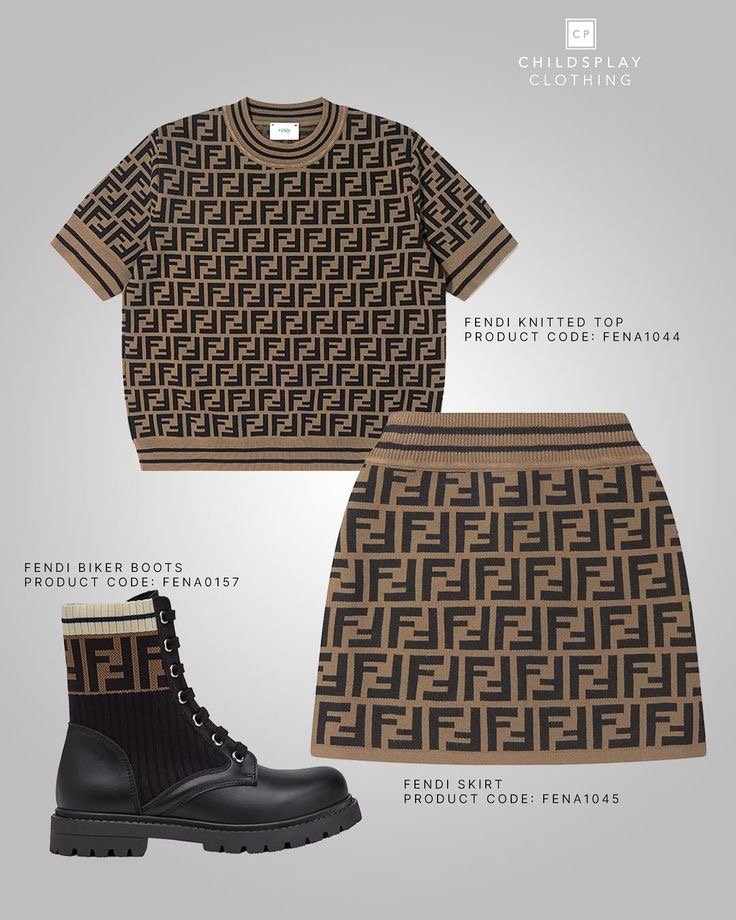
When conversations about the world’s biggest luxury fashion houses begin, the same prestigious names almost always dominate the spotlight. Hermès is praised for its unmatched exclusivity, Chanel continues to symbolize timeless elegance, Louis Vuitton remains a global powerhouse in luxury accessories, while Dior constantly captures attention with headline-making collections and celebrity campaigns. These brands have become household names even among people who have never purchased a luxury item.
Yet, quietly existing alongside these giants is another fashion house that has consistently delivered remarkable craftsmanship, innovative designs, and timeless elegance without demanding the same level of public attention. That brand is Fendi.
Over the years, Fendi has built an impressive reputation among fashion insiders, collectors, and loyal customers, but somehow it rarely becomes the center of mainstream luxury discussions. Instead, it continues to operate with a quiet confidence that many believe has become one of its greatest strengths.
This has sparked an interesting debate within the fashion community. Has Fendi become one of the most underrated luxury brands in today’s market, or has the brand deliberately chosen a path that values craftsmanship over constant publicity?

For many luxury enthusiasts, the answer may not be as straightforward as it appears.
Founded in Rome in 1925, Fendi has spent nearly a century refining its identity while maintaining an unmistakable Italian character. Unlike brands that frequently reinvent themselves to capture every passing trend, Fendi has consistently evolved without abandoning the principles that made it successful in the first place.
Its commitment to leather craftsmanship, precision tailoring, and artistic innovation has earned respect throughout the fashion industry. While countless luxury brands compete for attention through aggressive marketing campaigns, celebrity endorsements, and viral social media moments, Fendi often lets the quality of its products do the talking.
That quiet confidence has become increasingly attractive in an era where consumers are beginning to appreciate subtle luxury rather than obvious displays of wealth.
One of the reasons Fendi continues to stand apart is its remarkable ability to balance creativity with practicality. Many luxury brands produce statement pieces that become instantly recognizable but can quickly feel dated once trends change. Fendi, however, has mastered the difficult art of creating products that feel fashionable today while remaining relevant years later.
Its handbags provide perhaps the best example of this philosophy.
Rather than relying solely on oversized logos or flashy embellishments, many Fendi bags feature elegant silhouettes, refined craftsmanship, and thoughtful details that allow them to fit naturally into different wardrobes and occasions. Whether carried at formal events, business meetings, or casual outings, these designs rarely appear out of place.
This timeless versatility has made many Fendi handbags valuable investments for customers seeking long-term style rather than short-lived fashion trends.
Fashion experts often point out that genuine luxury should never depend entirely on visibility. Instead, true luxury lies in exceptional materials, meticulous craftsmanship, and designs capable of standing the test of time. By that standard, Fendi continues to perform exceptionally well.
The brand’s leather goods are consistently praised for their durability and finishing. Every stitch, cut, and detail reflects decades of artisanal expertise that cannot easily be replicated by mass production.
Beyond handbags, Fendi has also maintained excellence in ready-to-wear collections, footwear, accessories, and menswear. Each category reflects the same attention to detail that has defined the house for generations.
Interestingly, Fendi has never appeared overly desperate to dominate social media conversations. While many fashion houses now compete to create viral moments capable of generating millions of online impressions overnight, Fendi has generally adopted a more measured approach.
This strategy may explain why the brand sometimes feels less visible despite maintaining impressive commercial success.
Visibility and quality, after all, are not always the same thing.
In today’s digital age, popularity can often be influenced by influencers, celebrity collaborations, trending hashtags, and online algorithms. Meanwhile, genuine craftsmanship often receives far less attention simply because it cannot be reduced to a fifteen-second viral video.
This difference has led many fashion observers to argue that Fendi has become one of luxury fashion’s best-kept secrets.
Ironically, its quieter reputation may actually increase its appeal.
For buyers who appreciate understated elegance, owning a Fendi piece offers something different from carrying products that have become instantly recognizable across every social media platform. There is a sense of individuality that comes with choosing a luxury brand appreciated more by knowledgeable fashion lovers than by trend followers.
The concept of “quiet luxury” has gained tremendous momentum in recent years, and Fendi appears naturally positioned within that movement. Long before the phrase became fashionable, the brand was already producing sophisticated designs that emphasized quality over excessive branding.
Rather than shouting luxury, many Fendi products simply express it through craftsmanship.
This philosophy resonates particularly well with modern consumers who increasingly value authenticity and longevity over temporary hype.
Another factor contributing to Fendi’s reputation is its ability to innovate without abandoning its heritage. Throughout its history, the house has collaborated with visionary designers who introduced fresh ideas while respecting the brand’s established identity.
That careful balance between innovation and tradition is remarkably difficult to achieve in fashion, where brands constantly face pressure to remain relevant while preserving their legacy.
Fendi has managed this challenge with impressive consistency.
Industry analysts also note that luxury consumers are becoming increasingly selective with their purchases. Rather than buying multiple trendy items each season, many now prefer investing in fewer, higher-quality pieces capable of lasting for years.
This shift benefits brands like Fendi that prioritize timeless craftsmanship over seasonal excitement.
At the same time, the luxury market itself has become increasingly crowded. New designers emerge every year, while established brands compete fiercely for global attention. Standing out in such a competitive environment requires more than beautiful products—it requires continuous storytelling, marketing innovation, and cultural relevance.
Despite facing these challenges, Fendi continues to maintain a loyal global following, proving that lasting success does not always require dominating headlines.
According to fashion observers, the brand’s steady performance reflects a deeper understanding of luxury itself. Real luxury has never simply been about owning the most recognizable logo. It has always been about exceptional quality, remarkable craftsmanship, thoughtful design, and the confidence to appreciate products that speak softly rather than loudly.
This perspective is becoming increasingly relevant as consumer tastes continue to evolve.
At DDM News, industry watchers note that today’s luxury buyers are paying closer attention to authenticity, durability, and investment value than ever before. Brands capable of delivering these qualities consistently are likely to remain influential regardless of how frequently they trend on social media.
For Fendi, that could prove to be one of its greatest competitive advantages.
Instead of chasing every fashion craze, the Italian house continues to refine what it already does exceptionally well.
Its collections remain elegant without becoming predictable. Its craftsmanship remains outstanding without becoming overly theatrical. Its identity remains distinctive without depending entirely on logos or publicity.
Perhaps that explains why so many fashion lovers continue to discover and appreciate Fendi years after purchasing their first piece.
In many ways, the brand represents a different definition of luxury—one built on patience, consistency, heritage, and enduring quality rather than constant attention.
Whether Fendi is truly underrated ultimately depends on perspective. Some believe the brand deserves far greater recognition alongside the industry’s biggest names, while others argue that its quieter presence is precisely what makes it so desirable.
One thing, however, is becoming increasingly difficult to ignore.
As fashion continues to shift toward timeless investment pieces and understated elegance, Fendi appears perfectly positioned for the future. It may never generate the loudest headlines or the biggest online debates, but its reputation for excellence continues to grow among those who understand what genuine luxury really means.
For many discerning buyers, that quiet confidence is not a weakness at all—it is the very reason Fendi remains one of the most respected names in high fashion. As DDM News continues to follow developments across the global luxury industry, Fendi stands as a reminder that true prestige is not always measured by how loudly a brand announces itself, but by how consistently it delivers excellence decade after decade.




