


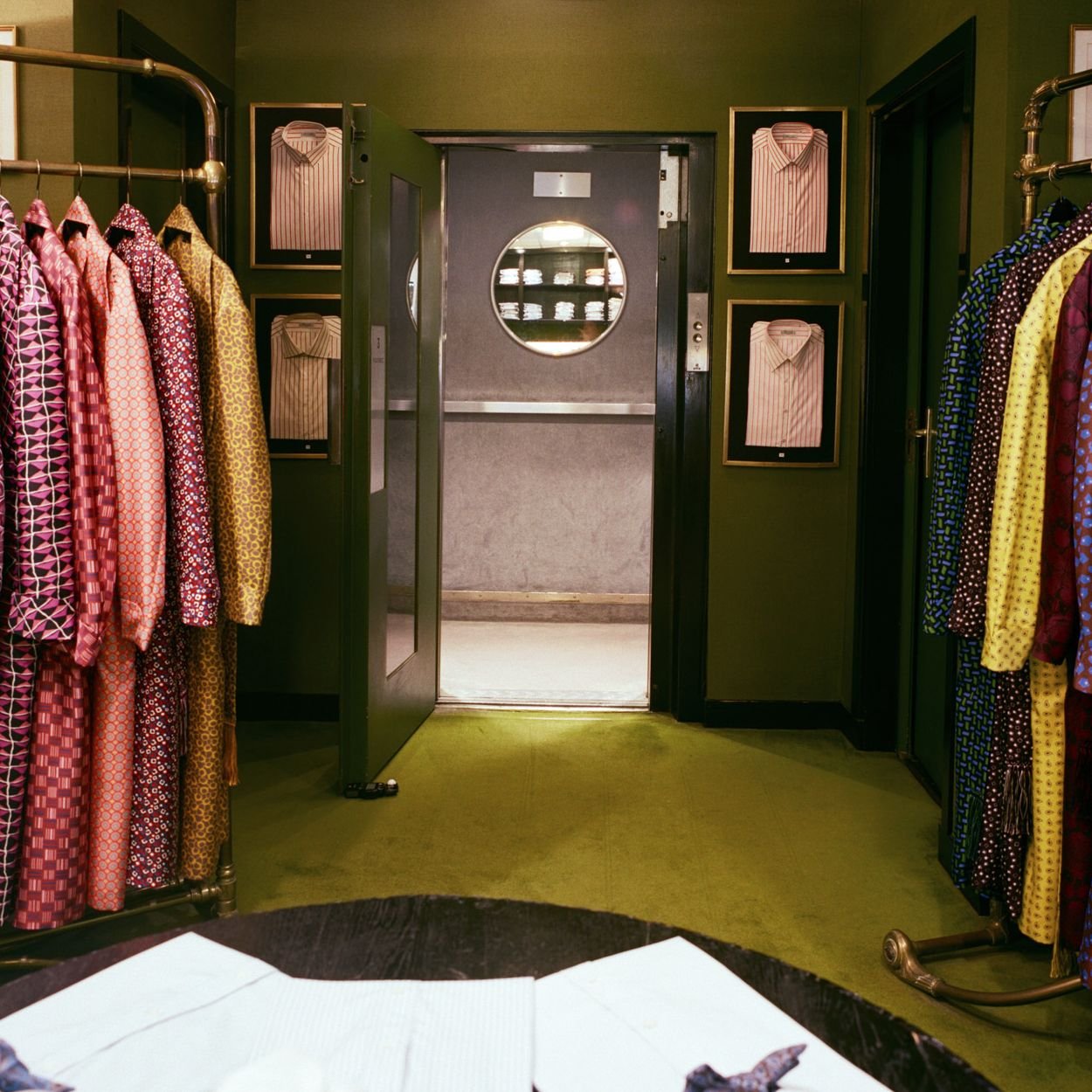
In the world of luxury fashion, acquisitions often reveal much more than a simple business transaction. They signal long-term ambitions, shifts in strategy, and a brand’s vision for the future. That is why Chanel’s decision to acquire the historic French shirtmaker Charvet has attracted considerable attention across the global fashion industry. While the deal may not have generated the same level of excitement as a blockbuster runway show or a celebrity campaign, fashion insiders believe it could become one of the most strategically important moves the luxury house has made in recent years.
For decades, Chanel has been recognized as one of the world’s most influential luxury brands, celebrated for its timeless elegance, impeccable craftsmanship, and unwavering commitment to exclusivity. From haute couture and handbags to fragrances and fine jewelry, the French fashion house has built an empire rooted in heritage and exceptional quality. Yet despite its remarkable success, Chanel has never stopped looking for ways to strengthen its position in the luxury market.
Its acquisition of Charvet reflects exactly that mindset.
Founded in 1838, Charvet is widely regarded as one of France’s oldest and most prestigious shirtmakers. For nearly two centuries, the company has built an extraordinary reputation for producing some of the world’s finest custom-made shirts, ties, and luxury menswear accessories. Its clientele has included royalty, political leaders, business executives, Hollywood stars, and generations of discerning customers who value precision tailoring over passing trends.

Unlike many modern fashion brands that rely heavily on marketing campaigns and social media visibility, Charvet earned its reputation through quiet excellence. Every garment represented decades of craftsmanship, meticulous attention to detail, and an unwavering dedication to quality that few manufacturers have been able to match.
That commitment to artisanal excellence is precisely what makes the acquisition so significant.
Luxury fashion has increasingly become a race to preserve craftsmanship while expanding global influence. Many of the industry’s largest companies have realized that acquiring specialist manufacturers is one of the most effective ways to secure their future. Rather than depending on outside suppliers, luxury houses are investing directly in the artisans whose expertise forms the foundation of their products.
Chanel has consistently followed this philosophy.
Over the years, the company has acquired numerous specialist workshops responsible for embroidery, feather work, millinery, leather craftsmanship, and other traditional métiers that might otherwise disappear in an era of industrial production. These investments are not merely financial decisions; they represent a commitment to preserving centuries-old craftsmanship that defines genuine luxury.
Adding Charvet to that portfolio strengthens Chanel’s position even further.
Although Chanel is traditionally associated with womenswear, handbags, and fragrances, acquiring one of France’s most respected shirtmakers broadens its access to exceptional tailoring expertise while reinforcing its influence within luxury menswear. Even if Charvet continues to operate independently under its own name, Chanel now gains access to invaluable technical knowledge, artisanal skills, and manufacturing capabilities that few competitors possess.
Industry analysts believe this move reflects a broader trend reshaping luxury fashion.
Consumers are becoming increasingly interested in authenticity rather than mass-produced exclusivity. They want products that tell meaningful stories, represent genuine craftsmanship, and reflect generations of accumulated expertise. Heritage has become one of the luxury industry’s most valuable assets.
In that environment, companies like Charvet possess something money alone cannot easily create.
Nearly two hundred years of reputation, trust, and craftsmanship cannot be replicated overnight. They are built slowly through consistency, dedication, and an uncompromising pursuit of excellence.
This explains why heritage manufacturers have become highly attractive acquisition targets for global luxury groups.
Rather than creating entirely new workshops from scratch, major fashion houses increasingly choose to invest in businesses whose reputations have already stood the test of time.
For Chanel, this acquisition goes beyond expanding production capacity.
It also reinforces the brand’s image as a guardian of French luxury heritage. At a time when fast fashion dominates much of the global clothing industry, preserving traditional craftsmanship sends a powerful message about the values Chanel continues to uphold.
The acquisition may also influence the future direction of luxury menswear.
Although Chanel has traditionally maintained a stronger presence in womenswear, the luxury menswear market has experienced remarkable growth over the past decade. Today’s consumers are investing more heavily in tailored clothing, premium fabrics, and timeless wardrobe essentials rather than disposable fashion trends.
High-quality shirts, once viewed simply as formal wear, have become versatile luxury investments suitable for business, social occasions, and everyday elegance.
Charvet has long excelled in exactly this category.
Its reputation for producing some of the world’s finest dress shirts makes it an invaluable addition to Chanel’s broader luxury ecosystem.
Fashion observers also note that acquisitions like this help protect highly specialized skills that might otherwise disappear. Master shirtmakers require years, sometimes decades, of training before reaching the highest levels of expertise. Without continued investment, many traditional workshops face increasing pressure from lower-cost manufacturing and changing consumer habits.
By bringing Charvet under its umbrella, Chanel helps ensure those artisanal techniques continue to thrive for future generations.
This preservation of craftsmanship has become increasingly important throughout the luxury sector.
Many consumers no longer judge luxury solely by logos or celebrity endorsements. Instead, they seek products backed by genuine expertise, ethical production, and authentic heritage. Brands capable of demonstrating those qualities often command stronger customer loyalty than those relying exclusively on marketing.
At DDM News, industry analysts suggest that Chanel’s latest acquisition represents far more than business expansion. It signals the growing importance of controlling craftsmanship from the earliest stages of production while protecting the cultural traditions that define French luxury.
This strategy also offers practical business advantages.
Owning specialist manufacturers allows luxury brands greater control over quality standards, production schedules, material sourcing, and innovation. It reduces dependence on external suppliers while creating opportunities for closer collaboration between designers and artisans.
In today’s competitive luxury market, such control can become a significant competitive advantage.
Meanwhile, Charvet stands to benefit from Chanel’s financial strength and long-term investment philosophy. Rather than focusing on rapid expansion, Chanel has earned a reputation for allowing many acquired workshops to preserve their individual identities while providing the resources necessary for continued excellence.
That balance between independence and support has become one of Chanel’s defining characteristics when integrating heritage businesses into its portfolio.
For loyal Charvet customers, this approach may provide reassurance that the brand’s traditions, craftsmanship, and reputation will remain intact while benefiting from greater financial stability.
The acquisition also highlights an important shift occurring across the global fashion industry.
Luxury is increasingly returning to its roots.
Rather than chasing constant trends or viral moments, leading brands are investing in craftsmanship, heritage, and enduring quality. Consumers are responding positively to products that emphasize longevity, authenticity, and exceptional workmanship over short-term popularity.
This renewed appreciation for traditional artisans could reshape the future of luxury fashion.
As younger generations become more selective about their purchases, they increasingly seek brands capable of offering lasting value rather than temporary excitement. Companies with authentic histories and remarkable craftsmanship are therefore becoming some of the industry’s most valuable assets.
Chanel appears determined to remain at the forefront of that movement.
Its acquisition of Charvet demonstrates that true luxury extends far beyond glamorous runway shows or iconic handbags. It is equally about preserving the knowledge, skills, and traditions that transform simple garments into works of art.
At DDM News, fashion experts believe this acquisition will be remembered as another example of Chanel’s long-term vision—a strategy that prioritizes heritage, craftsmanship, and excellence over short-lived trends. In an industry where change is constant, Chanel continues to prove that investing in history may be one of the smartest ways to shape the future.
As the luxury fashion landscape continues to evolve, one thing is becoming increasingly clear: brands that protect craftsmanship while embracing innovation are likely to define the next chapter of global luxury. With Charvet now part of its growing portfolio, Chanel has not only expanded its influence but also reinforced its commitment to preserving the timeless artistry that has made French fashion the envy of the world for generations.




