


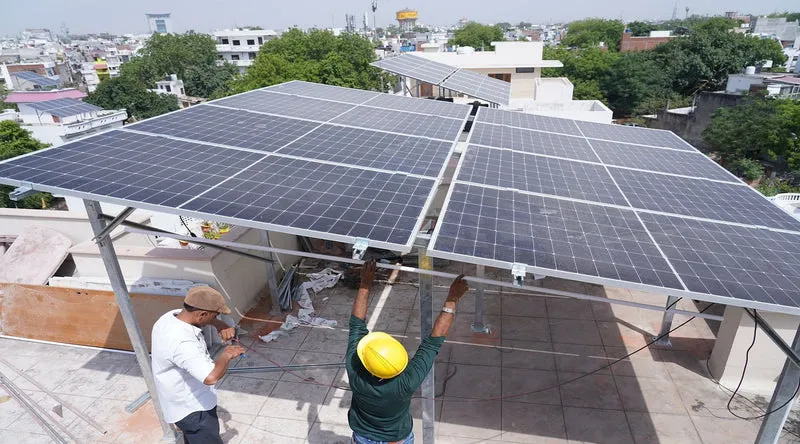
For years, conversations about the future of work have revolved around artificial intelligence, software development, and technology startups. While these industries continue to dominate headlines, another sector has been expanding quietly but at an astonishing pace. It is creating thousands of jobs, attracting billions in investment, and transforming the way homes and businesses generate electricity. That industry is solar energy.
What was once considered an expensive alternative reserved for environmental enthusiasts has now become one of the fastest-growing businesses in the global economy. Rising electricity costs, unreliable power supplies in many regions, improvements in solar technology, and increasing demand for cleaner energy have all combined to make solar installation one of the most promising industries of the coming decade.
Recent employment projections have added even more excitement to the sector. Industry estimates suggest that jobs for solar photovoltaic (PV) installers are expected to grow by approximately 42 percent through 2034, making it one of the fastest-growing occupations in the energy sector. While figures vary by country, the broader global trend points in the same direction—solar energy is becoming an increasingly important source of electricity, and skilled workers are needed to keep up with demand.
According to DDM News, this remarkable growth reflects more than just environmental awareness. It also signals a major economic shift in how electricity is produced, distributed, and consumed. As governments, businesses, and homeowners continue investing in renewable energy, the demand for trained installers, technicians, engineers, and maintenance specialists is expected to remain strong for years to come.

One of the biggest reasons behind this expansion is the rising adoption of solar power. In many parts of the world, utility-scale solar farms are being constructed at record speed. These large installations, consisting of thousands of solar panels spread across vast areas of land, now supply an increasing share of electricity to national power grids. At the same time, residential and small commercial systems are becoming more common as homeowners seek reliable alternatives to rising energy bills and unstable electricity supplies.
For countries like Nigeria, where power outages remain a regular challenge for many homes and businesses, solar energy is no longer viewed as a luxury. Instead, it has become a practical investment. Shops, hospitals, schools, offices, and households are increasingly turning to solar systems to reduce dependence on fuel-powered generators while lowering long-term energy costs.
Interestingly, one of the greatest strengths of the solar industry is that it offers opportunities to people from diverse educational backgrounds. Unlike many modern careers that require university degrees, solar installation often provides multiple pathways into the workforce. Many installers begin with experience in electrical work, roofing, construction, or technical trades before receiving specialised training in solar technology.
Short vocational programmes, apprenticeships, and on-the-job learning have also made the profession accessible to individuals who prefer practical skills over lengthy academic programmes. This flexibility has encouraged many young people to consider solar installation as a rewarding career with long-term prospects.
Of course, installing solar panels involves much more than simply placing equipment on rooftops. Every project requires careful planning, accurate measurements, electrical safety, structural assessment, wiring, battery integration, inverter configuration, and system testing. Installers must understand how sunlight, roof angles, shading, weather conditions, and energy consumption patterns influence overall system performance.
As technology continues to improve, modern solar systems are becoming smarter and more efficient. Many installations now include battery storage, remote monitoring applications, intelligent energy management software, and hybrid systems capable of switching seamlessly between solar power, battery backup, and traditional electricity grids. These innovations create additional demand for technicians capable of maintaining increasingly sophisticated equipment.
The business opportunities surrounding solar energy extend far beyond installation alone. Entrepreneurs are finding success in equipment distribution, battery sales, inverter maintenance, cleaning services, technical consulting, financing solutions, and system monitoring. Each new solar installation creates ongoing opportunities for maintenance, upgrades, inspections, and customer support, allowing businesses to generate recurring income long after the initial installation is complete.
Another factor driving industry growth is declining equipment costs. Years ago, installing a complete solar system required a significant financial commitment that many households could not afford. Advances in manufacturing, larger production volumes, and technological innovation have gradually reduced prices, making solar systems accessible to a wider range of consumers. As affordability improves, demand naturally increases.
Environmental concerns have also encouraged greater adoption. Governments around the world continue promoting renewable energy as part of efforts to reduce greenhouse gas emissions and decrease reliance on fossil fuels. Financial incentives, tax credits, grants, and supportive policies in some countries have further accelerated investment in solar infrastructure.
Despite these encouraging trends, challenges remain. One important question facing the industry is whether enough skilled workers will be available to meet future demand. Rapid expansion creates pressure on training institutions, employers, and certification programmes to produce qualified installers capable of maintaining high standards of safety and workmanship.
A poorly installed solar system can reduce efficiency, create electrical hazards, and shorten equipment lifespan. Consequently, quality training and professional certification remain essential as the industry continues expanding.
Another reality often overlooked is that success in the solar business requires more than technical knowledge. Effective customer communication, accurate project planning, reliable after-sales support, and ethical business practices all contribute to long-term growth. Customers investing substantial amounts in renewable energy expect dependable service throughout the lifespan of their systems.
Interestingly, the growth of solar energy has also stimulated employment in related industries. Manufacturers producing panels, batteries, mounting systems, cables, and inverters have expanded production capacity. Logistics companies transport equipment across regions, while financial institutions develop specialised lending products to help customers finance installations. Even software developers contribute by creating monitoring platforms that allow users to track electricity generation in real time.
According to DDM News, this interconnected ecosystem demonstrates that the solar industry is no longer limited to simply producing electricity. It has evolved into a broad economic sector supporting manufacturing, construction, engineering, finance, technology, transportation, education, and maintenance services.
Of course, numbers on paper tell only part of the story. Employment projections and investment forecasts provide valuable insight into industry direction, but conditions on the ground can vary depending on location, government policies, market demand, and workforce availability. In some regions, companies may struggle to recruit enough qualified technicians. In others, competition may become increasingly intense as more businesses enter the market.
Still, the overall trend remains difficult to ignore. Around the world, solar energy continues moving from an alternative technology to an essential component of modern electricity generation. Homes want lower utility bills. Businesses seek reliable power. Governments pursue cleaner energy sources. These combined needs continue pushing the industry forward.
Perhaps the most remarkable aspect of this transformation is that one of tomorrow’s fastest-growing careers involves something as simple and abundant as sunlight. Every sunrise represents energy waiting to be captured, and behind every newly installed solar panel stands a growing workforce helping power homes, businesses, and entire communities.
In an era where many industries face uncertainty, the solar installation business offers something increasingly valuable: a combination of technological innovation, practical skills, environmental benefits, and expanding economic opportunity. For aspiring entrepreneurs, skilled tradespeople, and young job seekers alike, the future of solar energy appears brighter than ever—quite literally proving that sometimes the best business opportunities are powered by the sun itself.




