


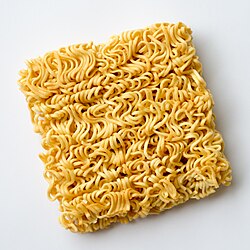
Instant noodles remain a popular food choice worldwide due to their affordability, convenience, and appealing taste. However, health experts are increasingly cautioning against their regular consumption, citing significant nutritional concerns and potential long term health risks.
Nutritionists note that while instant noodles are quick to prepare, they offer limited nutritional value and are often high in sodium, unhealthy fats, and food additives. Regular intake has been linked to conditions such as Hypertension, heart disease, and Metabolic Syndrome.
Low Nutritional Value
Instant noodles are widely regarded as nutrient-poor, containing minimal amounts of essential vitamins, minerals, protein, and dietary fibre. Instead, they are largely composed of refined carbohydrates and fats, which may contribute to weight gain and nutrient deficiencies when consumed frequently.
High Sodium Content

One of the most concerning aspects is their high salt content. A single serving can contain more than half of the recommended daily sodium intake. Excessive sodium consumption has been strongly associated with high blood pressure, cardiovascular disease, and an increased risk of stroke.
Use of Additives and Preservatives
Instant noodles often contain additives such as Monosodium Glutamate (MSG), used to enhance taste. While generally considered safe in moderate amounts, high consumption has been associated in some studies with symptoms such as headaches, nausea, and elevated blood pressure.
Preservatives like Tertiary Butylhydroquinone (TBHQ) and Butylated Hydroxyanisole (BHA) are also commonly used to extend shelf life. Experts warn that prolonged exposure to such chemicals, especially through frequent consumption, may pose health risks.
Refined Ingredients and Unhealthy Fats
Most instant noodles are made from highly processed white flour (maida), which lacks fibre and essential nutrients. Diets high in refined carbohydrates have been linked to obesity and Type 2 Diabetes.
Additionally, many instant noodles are pre-fried in oils high in saturated and trans fats. These fats can raise harmful cholesterol levels, increasing the risk of Atherosclerosis, heart attack, and stroke.
Long-Term Health Concerns
Emerging research suggests that frequent consumption of instant noodles may be associated with metabolic syndrome, a condition that increases the likelihood of developing diabetes, high blood pressure, and abnormal cholesterol levels. Some studies have also linked high intake to reduced vitamin D levels, although other lifestyle factors may also play a role.
Healthier Ways to Consume Instant Noodles
While experts advise limiting intake, occasional consumption can be made healthier with simple adjustments. Adding vegetables such as carrots, broccoli, or peppers can improve nutrient content. Including protein sources like eggs, chicken, or tofu can enhance satiety and nutritional balance.
Reducing the use of seasoning packets often high in sodium and opting for natural herbs and spices is also recommended. Choosing whole-grain alternatives and controlling portion sizes can further reduce health risks.
A Call for Moderation
Health professionals emphasize that instant noodles should not form a regular part of a balanced diet. While convenient, their nutritional limitations and potential health impacts highlight the importance of moderation and informed dietary choices.
They advise consumers to prioritise whole, nutrient-rich foods and maintain a balanced diet to support long-term health and well-being.



 and then