


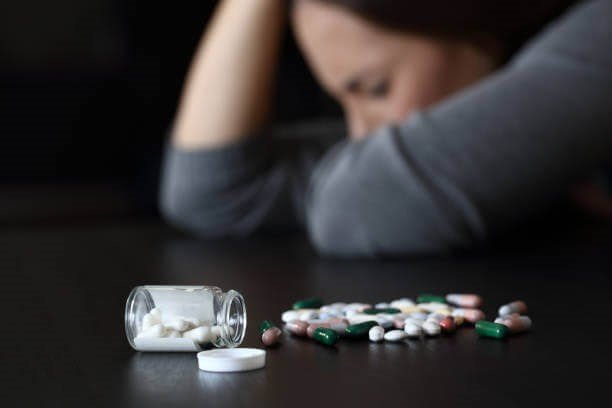
Health experts are warning the public that accidental medication overdose is a growing household emergency, emphasizing that misuse or incorrect dosing of common medicines can lead to severe poisoning, organ damage, and even death. According to medical professionals, many overdose cases occur at home due to confusion about dosage instructions, mixing multiple medications, or accidental ingestion by children. They stress that medicines, while essential for treatment, must always be handled with strict care and responsibility.
Doctors explain that medication overdose happens when a person takes more than the recommended dose of a drug, either intentionally or accidentally. This can involve prescription medicines, over-the-counter drugs, or even herbal and traditional remedies. Some of the most commonly involved medications in overdose cases include pain relievers, cold and flu medications, sleeping tablets, blood pressure drugs, and cough syrups. Even widely used medicines such as paracetamol (acetaminophen) can become dangerous in high doses and cause severe liver damage.
According to emergency medicine specialists, accidental overdoses often occur when individuals fail to read labels carefully, repeat doses too quickly, or combine medications containing the same active ingredients. For example, taking multiple cold and flu products at the same time can lead to an unintended overdose of pain relievers or antihistamines. Doctors also warn that mixing medications with alcohol significantly increases the risk of harmful side effects and toxicity.
Medical professionals emphasize that children are especially vulnerable to accidental poisoning because they may mistake colorful tablets or flavored syrups for sweets or drinks. Even a small quantity of certain medications can be dangerous or fatal to a child. Elderly individuals are also at higher risk due to memory issues, multiple prescriptions, and confusion about dosing schedules.

Doctors explain that symptoms of medication overdose vary depending on the drug involved but may include nausea, vomiting, dizziness, confusion, drowsiness, difficulty breathing, seizures, irregular heartbeat, extreme weakness, and loss of consciousness. In severe cases, overdose can lead to liver failure, kidney damage, coma, or death if not treated quickly.
Health experts strongly advise that anyone suspected of experiencing a medication overdose should seek emergency medical attention immediately. Individuals should not attempt to induce vomiting or rely on home remedies, as these actions may worsen the situation. Instead, they should contact emergency services or go to the nearest hospital as quickly as possible.
Medical professionals recommend that individuals always follow prescribed dosages carefully and use proper measuring tools such as dosing cups or syringes instead of household spoons, which can lead to inaccurate measurements. Medicines should always be taken exactly as directed by a doctor or pharmacist, and patients should ask questions if they are unsure about instructions.
Doctors also stress the importance of storing all medications safely out of reach of children, preferably in locked cabinets. Medicines should never be left on tables, bedside drawers, or kitchen counters where they can be accidentally accessed. Expired or unused medications should be properly disposed of to prevent accidental ingestion.
Health specialists further advise that individuals should avoid self-medicating or combining drugs without professional guidance. Even seemingly harmless over-the-counter medications can interact with prescription drugs and cause harmful side effects when taken together.
Medical professionals conclude that accidental medication overdose is largely preventable through proper education, careful reading of labels, safe storage practices, and responsible use of medicines. They emphasize that awareness, caution, and prompt medical response are essential to reducing preventable poisonings and protecting household health.




