


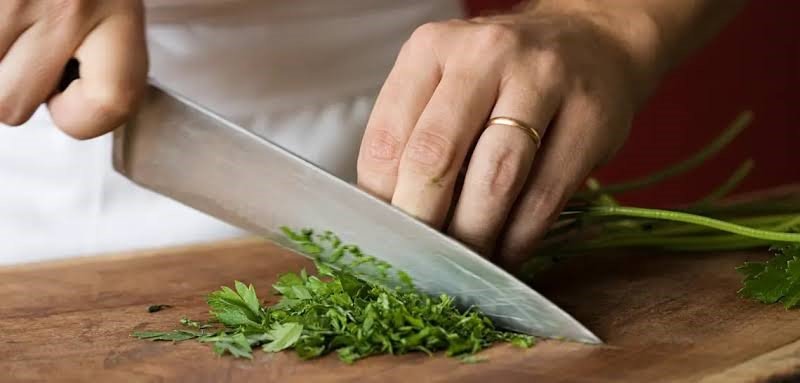
Medical professionals are urging the public to practice safe knife handling in the kitchen, warning that improper use of knives is one of the leading causes of household injuries worldwide. According to healthcare experts, kitchen-related cuts and lacerations account for a significant number of emergency room visits, many of which occur during routine cooking activities. They emphasize that most of these injuries are preventable through proper technique, attention, and safe kitchen practices.
Doctors explain that knives are essential tools in food preparation, but they also pose serious risks when handled carelessly. Sharp blades can cause deep cuts, sever tendons, damage nerves, and lead to heavy bleeding if they slip or are used incorrectly. Injuries often happen when individuals are distracted, rushing, using dull knives, or attempting to cut food in unstable positions.
According to emergency medicine specialists, one of the most common causes of kitchen knife injuries is the use of dull blades. Contrary to what many people believe, dull knives are actually more dangerous than sharp ones because they require more force to cut through food, increasing the likelihood of slipping and causing injury. Doctors recommend keeping knives properly sharpened and well-maintained to ensure safer and more controlled cutting.
Medical professionals advise that proper knife technique is essential in preventing injuries. Individuals should always cut away from the body and keep fingers tucked safely away from the blade. Food should be placed on a stable, flat surface, and cutting boards should be used to provide support and prevent slipping. Holding food in one hand while cutting with the other increases the risk of accidental cuts.

Health experts also stress the importance of maintaining focus while using knives. Distractions such as mobile phones, conversations, or multitasking can significantly increase the risk of accidents. Doctors recommend avoiding kitchen activities when tired, rushed, or under the influence of substances that may impair concentration or coordination.
Medical professionals explain that proper storage of knives is equally important for preventing injuries. Knives should be kept in designated holders, magnetic strips, or protective sheaths rather than being left loosely in drawers where they may cause accidental cuts when reaching for other items. Children should never have access to sharp kitchen tools, and all knives should be stored securely out of reach.
Doctors warn that in the event of a kitchen knife injury, immediate first aid is crucial. Minor cuts should be cleaned with clean running water, and direct pressure should be applied using a clean cloth to stop bleeding. The wound should then be covered with a sterile dressing. However, deep cuts, heavily bleeding wounds, or injuries involving tendons or joints require urgent medical attention.
Health experts explain that signs of a serious knife injury include uncontrolled bleeding, inability to move fingers, numbness, visible tissue damage, or a wound that gapes open. In such cases, emergency medical care is necessary, and individuals should avoid attempting to close or clean deep wounds extensively at home.
Medical professionals also emphasize the importance of maintaining a clean kitchen environment. Wet surfaces, cluttered countertops, and poor lighting can increase the risk of slips and accidental cuts. Keeping the workspace organized and dry can significantly reduce the likelihood of injuries during food preparation.
Doctors encourage families to educate children about kitchen safety and supervise them closely when they begin learning how to cook. Teaching safe habits early can help reduce the risk of long-term accidents and build responsible cooking practices.
Medical professionals conclude that kitchen knife injuries are largely preventable through proper handling, attention, and safe storage practices. They stress that using the right knife for the right task, maintaining focus, and following basic safety rules can significantly reduce the risk of injury. By practicing caution and respect for sharp tools, individuals can create a safer kitchen environment and prevent avoidable accidents.




