


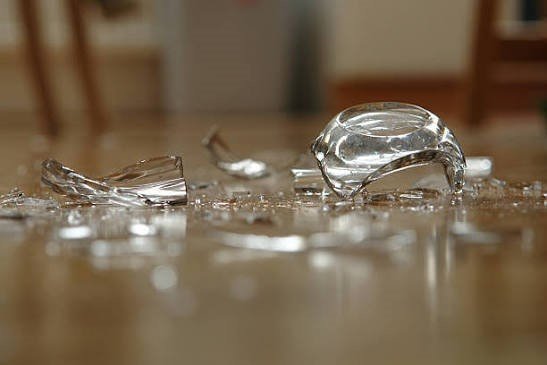
Health experts are warning the public about the dangers of broken glass injuries, emphasizing that cuts caused by shattered glass can lead to severe blood loss, permanent tissue damage, and serious infections if not treated promptly. According to medical professionals, accidents involving broken windows, drinking glasses, mirrors, glass tables, bottles, and other glass objects are among the most common causes of emergency room visits related to household injuries. They stress that while some cuts may appear minor, deeper wounds can damage blood vessels, tendons, nerves, and muscles, requiring urgent medical care.
Doctors explain that broken glass often creates sharp, uneven edges capable of causing deep lacerations within seconds. These injuries commonly occur during cleaning, home repairs, accidents involving glass furniture, or when individuals attempt to catch or pick up falling glass objects. Walking barefoot on broken glass is another frequent cause of serious foot injuries, particularly among children.
According to emergency medicine specialists, the severity of a glass injury depends on the depth of the wound, the location of the cut, and whether important structures beneath the skin have been damaged. Cuts involving the hands, wrists, feet, neck, or areas near major blood vessels require special attention because they carry a higher risk of severe bleeding and permanent loss of function.
Medical professionals emphasize that the first priority after a glass injury is to control bleeding. Individuals should apply firm, direct pressure to the wound using a clean cloth, sterile gauze, or bandage for several minutes. If blood soaks through the dressing, another layer should be placed on top without removing the original one, as removing it may disturb blood clot formation and increase bleeding.

Doctors recommend elevating the injured limb above the level of the heart whenever possible to help reduce blood loss. However, they strongly advise against attempting to remove large pieces of glass that remain deeply embedded in the wound. Removing embedded glass without proper medical equipment can worsen bleeding and cause additional damage to surrounding tissues. Instead, the object should be left in place, lightly stabilized if possible, and emergency medical care should be sought immediately.
Health experts explain that deep cuts from broken glass may not only damage the skin but also sever tendons, nerves, and blood vessels. Warning signs of a serious injury include heavy or uncontrollable bleeding, numbness, inability to move fingers or toes, exposed muscle or bone, pale or cold skin below the injury, or a wound with widely separated edges. These symptoms require urgent hospital evaluation and may require stitches, surgery, or specialized treatment.
Medical professionals also caution that even small glass fragments left inside a wound can lead to ongoing pain, delayed healing, and infection. Healthcare providers may use imaging tests such as X-rays or ultrasound to locate hidden fragments before removing them safely. Attempting to search for deeply embedded glass at home can increase tissue damage and should be avoided.
Doctors stress the importance of cleaning minor cuts thoroughly with clean running water after bleeding has been controlled. The wound should then be covered with a sterile dressing and monitored for signs of infection, including increasing redness, swelling, warmth, pus, worsening pain, or fever. Individuals with deep cuts or contaminated wounds should also consult a healthcare provider to determine whether a tetanus booster vaccination is required.
To prevent broken glass injuries, health experts encourage families to dispose of cracked or damaged glassware promptly, handle glass objects carefully, and wear protective gloves when cleaning up shattered glass. Broken glass should be swept up using a broom and dustpan rather than picked up with bare hands. Small fragments can be collected using damp paper towels or adhesive tape to reduce the risk of leaving dangerous pieces behind. Homes with young children should also avoid placing fragile glass furniture or decorative items in areas where children play.
Medical professionals conclude that broken glass injuries should never be taken lightly, as even a seemingly small cut can result in significant blood loss or permanent injury. They emphasize that prompt first aid, early medical evaluation, and proper wound care are essential for preventing complications and ensuring a full recovery. By practicing safe handling of glass and responding quickly when accidents occur, families can greatly reduce the risk of serious household injuries.




