


tech-chinese-lightspy-spyware-targets-13-nations
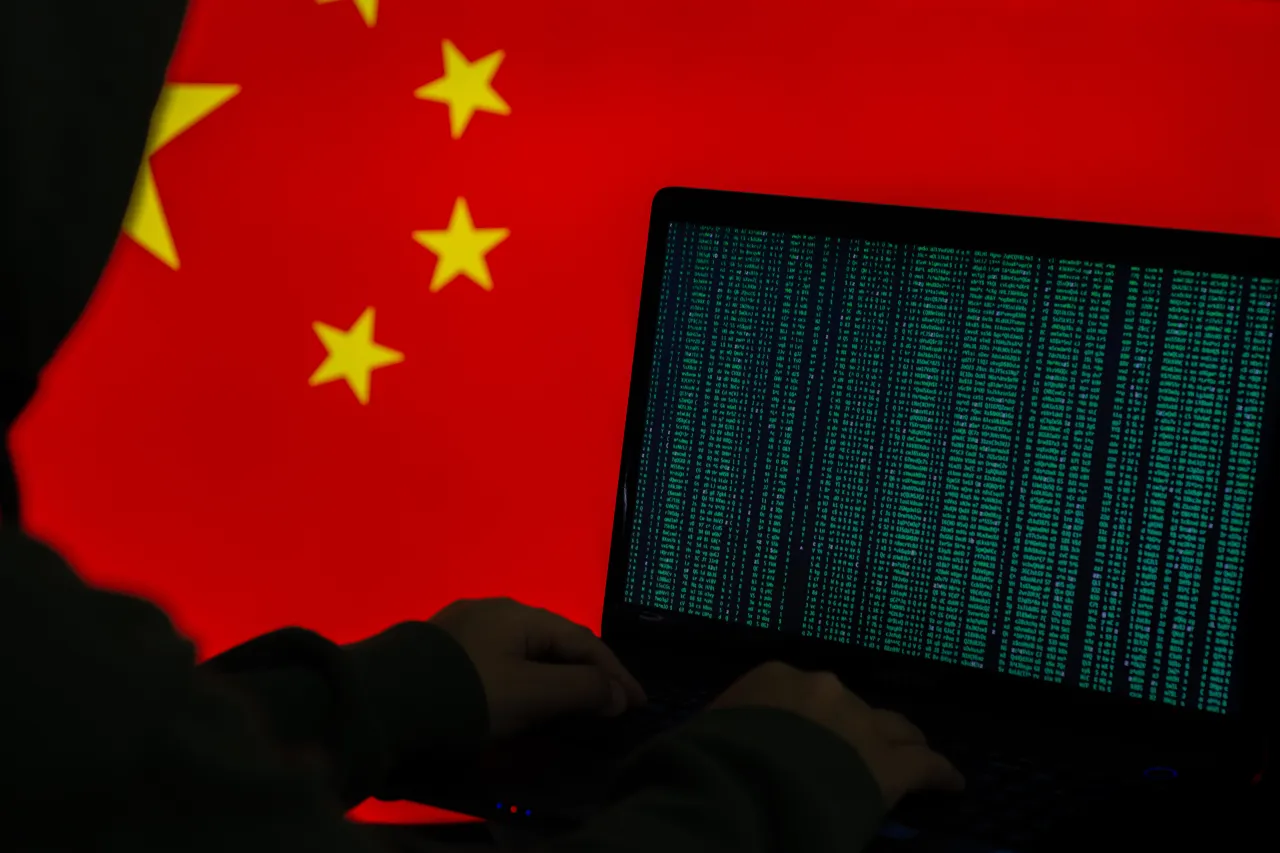
Chinese LightSpy Spyware Targets 13 Nations Arctic Wolf Networks reveals that LightSpy, a Chinese-linked surveillance tool, has expanded across 13 countries. The malware steals sensitive data, intercepts calls, and wipes devices, signaling a dangerous shift in global cyber warfare. A Chinese-linked spyware named LightSpy currently targets 13 countries. Learn how this malware steals data, records screens, and wipes devices.
Specifically, the powerful LightSpy spyware now operates globally [1]. In fact, this malware targets victims across 13 countries [2]. Moreover, cybersecurity experts just uncovered this massive surveillance network [2]. Therefore, the threat puts millions of smartphone users at extreme risk.
Advanced Surveillance Capabilities
Additionally, the malicious platform goes by the name LightSpy [1]. Indeed, researchers at Arctic Wolf Networks identified its rapid expansion [2]. Specifically, this malware functions as a comprehensive surveillance tool [2]. As a result, operators can easily steal hyper-specific location data [1]. Consequently, they access audio recordings and private chat logs [1]. For example, the software captures live camera and screen recordings [1]. Moreover, the spyware can completely wipe a compromised device [2]. Therefore, victims face severe privacy and security violations.

Furthermore, LightSpy operates like a commercial software product [2]. In fact, the platform features transparent pricing tiers and billing systems [2]. Additionally, the developers even offer a demo environment [1]. Thus, prospective buyers can test the malware before buying [2]. Meanwhile, the exact identity of these operators remains hidden [1]. However, experts link the platform to Chinese nation-state actors [2]. Specifically, the surveillance technology reaches deep into foreign networks [2]. As a result, the software intercepts and transmits data globally.
A Growing Global Threat Market
Simultaneously, the global market for spyware continues to grow rapidly [2]. Indeed, this growth marks a dangerous new era for surveillance. Consequently, these tools spread quickly across multiple regions. For example, government agencies and military groups buy these advanced systems [2]. Furthermore, private businesses and educational institutions also use the platform [2]. Therefore, this widespread adoption alarms international security experts. Ultimately, these advanced capabilities fall into the hands of cybercriminals. In contrast, earlier spyware mainly served state-sponsored intelligence operations.
Meanwhile, security experts warn about the misuse of these tools. Specifically, Justin Moore directs threat intelligence research at Arctic Wolf [2]. Accordingly, he notes the rising danger of commercial surveillance software [2]. For example, bad actors use these tools to intimidate political opponents [2]. Consequently, they easily monitor and suppress critical opposition voices [2]. Therefore, the current threat environment extends beyond nation-state attackers [2]. In fact, a growing ecosystem of private organizations now poses similar risks [2]. Additionally, governments must confront these broad security challenges urgently.
International Security Responses
Subsequently, cybersecurity firms are coordinating with federal law enforcement agencies. Indeed, Arctic Wolf holds active discussions with US authorities [2]. For example, the company shares crucial threat intelligence with homeland security officials [2]. Furthermore, researchers plan to hand their findings to the FBI [2]. Meanwhile, this cooperation aims to disrupt the massive surveillance network. Therefore, authorities hope to protect vulnerable smartphone users worldwide. Specifically, the widespread use of LightSpy demands a unified global response [3]. As a result, international agencies must update their defense strategies.
However, the spyware landscape remains extremely complex and dangerous. In fact, malicious developers constantly update their tracking tools. Consequently, regular smartphone users struggle to detect these hidden threats. For example, victims rarely notice when their devices become compromised. Meanwhile, national policies sometimes complicate local cyber defense efforts. Specifically, the CBN withdraws directive on cybersecurity levy amid recent regulatory shifts [4]. Therefore, organizations face ongoing challenges in funding cybersecurity initiatives. Ultimately, users must remain vigilant against these evolving digital threats.
How Users Can Protect Themselves
To conclude, individuals must take proactive steps for device security. Indeed, software updates remain the first line of defense. Therefore, users should install security patches immediately upon release. Additionally, people must avoid clicking on suspicious or unknown links. For example, phishing messages often deliver this dangerous spyware payload. Consequently, downloading apps only from official stores prevents most infections. Furthermore, experts recommend regular device reboots to disrupt malware processes.
Essentially, maintaining strong mobile security requires constant attention. In fact, users should monitor their phones for unusual behavior. Specifically, severe battery drain or strange apps indicate a possible infection. Therefore, anyone suspecting a breach must reset their device completely. Meanwhile, privacy advocates push for stronger international tech regulations. As a result, lawmakers want to restrict the commercial spyware market. Ultimately, collective action helps secure our digital future against exploitation.




