


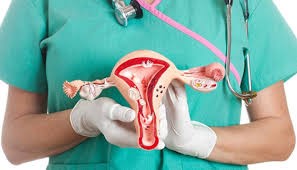
A hysterectomy is a common surgical procedure that involves the removal of the uterus and, in some cases, additional reproductive organs. While many people worry about how the operation may affect their sex life, medical experts say most individuals can return to a satisfying and healthy sexual relationship after recovery.
In fact, for some patients, the procedure may improve sexual well-being by eliminating symptoms such as chronic pelvic pain, heavy bleeding, or discomfort that previously interfered with intimacy.
Recovery Comes First
Following a hysterectomy, the body requires time to heal before sexual activity can safely resume. Healthcare providers generally advise avoiding vaginal penetration, including intercourse, tampons, and sex toys, for approximately six weeks after surgery.
However, recovery timelines vary from person to person. Doctors recommend waiting until surgical wounds have healed, vaginal discharge has stopped, and any post-operative complications have resolved before resuming sexual activity.

Patients should always follow their healthcare provider’s advice regarding recovery and sexual activity.
Can Sex Feel Different After a Hysterectomy?
For most people, a hysterectomy does not significantly alter sexual sensation or pleasure. The vagina and clitoris, which play key roles in sexual enjoyment, remain intact in most procedures.
Many patients report improvements in their sex lives after surgery, particularly when symptoms that previously caused discomfort are no longer present.
Potential changes may include:
- Reduced pain during intercourse if pelvic conditions caused discomfort before surgery.
- Relief from heavy menstrual bleeding and related anxiety.
- Greater confidence and comfort during intimacy.
- Minor changes in vaginal length in some cases, depending on the type of surgery performed.
Healthcare professionals note that any persistent pain, bleeding, or discomfort during sex after recovery should be evaluated by a doctor.
Emotional Effects May Influence Intimacy
The emotional impact of a hysterectomy can vary widely. For some individuals, the procedure may bring relief from years of symptoms and improve overall quality of life.
Others may experience feelings of loss, concerns about fertility, or changes in how they perceive their body and identity. These emotional responses can temporarily affect sexual desire and intimacy.
Mental health professionals encourage patients to discuss their feelings openly with partners, trusted family members, or counselors if emotional challenges arise during recovery.
When Ovary Removal Changes Hormone Levels
A hysterectomy alone does not necessarily trigger menopause. However, if both ovaries are removed during surgery, the body experiences an immediate decline in reproductive hormones, leading to what is known as surgical menopause.
This hormonal shift can result in symptoms such as:
- Reduced sex drive
- Vaginal dryness
- Thinning vaginal tissues
- Hot flashes
- Night sweats
- Mood changes
These symptoms may affect comfort and desire during sexual activity, but treatments are available to help manage them.
Managing Sexual Changes After Surgery
Medical experts recommend several strategies for individuals experiencing changes in sexual comfort after a hysterectomy:
- Use water-based lubricants to reduce vaginal dryness.
- Consider vaginal moisturizers for ongoing comfort.
- Discuss hormone therapy options with a healthcare provider when appropriate.
- Communicate openly with sexual partners about comfort levels and concerns.
- Explore different positions and forms of intimacy during recovery.
For many patients, patience and gradual adjustment help restore confidence and enjoyment in their sexual relationships.
Possible Complications
Although hysterectomies are generally considered safe procedures, complications can occasionally affect sexual function.
Some individuals report pelvic floor weakness, changes in vaginal sensation, or pain during intercourse following surgery. While these issues are not common, they can occur and may require medical evaluation or physical therapy.
Pelvic floor exercises, including Kegel exercises, are often recommended to strengthen muscles and support recovery.
Outlook
Most people can expect to return to a fulfilling sex life after a hysterectomy once healing is complete. Many experience improved comfort and greater sexual satisfaction due to relief from symptoms that previously affected intimacy.
While hormonal, emotional, or physical changes can occur in some cases, healthcare professionals emphasize that effective treatments and support options are available. Anyone experiencing ongoing pain, low libido, or concerns about sexual health after surgery should seek guidance from a qualified healthcare provider.




