


Advances in prostate cancer treatment have improved survival rates for millions of men worldwide, but many patients continue to face challenges that extend beyond their cancer diagnosis. Among the most common concerns are changes in sexual health, including erectile dysfunction, reduced libido, and altered ejaculation.
Healthcare professionals emphasize that while these side effects can affect quality of life, a range of treatments and support options are available to help men regain confidence and maintain fulfilling intimate relationships.
How Prostate Cancer Treatment Can Affect Sexual Function
Sexual difficulties are often linked to prostate cancer treatment rather than the disease itself. Procedures designed to remove or destroy cancerous tissue can sometimes affect the nerves, blood vessels, and hormones involved in sexual function.
Common side effects may include:

- Difficulty achieving or maintaining an erection
- Reduced interest in sexual activity
- Changes in orgasm sensation
- Altered ejaculation patterns
- Emotional distress affecting intimacy
The severity of these effects varies depending on the type of treatment, age, overall health, and individual recovery.
Treatment Options for Erectile Dysfunction
Medical experts say many men can successfully manage erectile dysfunction following prostate cancer treatment.
Available options include prescription medications that improve blood flow to the penis, helping support erections during sexual activity. For men who do not respond to medication, other therapies may provide effective alternatives.
These include:
- Vacuum erection devices
- Penile injections
- Urethral medications
- Penile implants in selected cases
Early rehabilitation and treatment may improve long-term outcomes and help preserve sexual function after cancer therapy.
The Importance of Emotional Well-Being
A prostate cancer diagnosis can affect more than physical health. Anxiety, depression, stress, and concerns about masculinity or intimacy can significantly influence sexual desire and performance.
Mental health support may play an important role in recovery. Counseling, sex therapy, and relationship support can help individuals and couples navigate the emotional challenges that sometimes accompany treatment.
Experts note that open communication with partners often improves adjustment and reduces anxiety surrounding sexual activity after treatment.
Changes in Orgasm and Ejaculation
The prostate gland produces much of the fluid that forms semen. As a result, treatments involving prostate removal can change the ejaculation process.
Many men continue to experience sexual pleasure and reach orgasm after treatment, but ejaculation may be significantly reduced or absent. This is commonly known as a “dry orgasm.”
While orgasms remain possible, some individuals report differences in intensity or sensation compared to their experiences before treatment. In some cases, discomfort during orgasm may occur and should be discussed with a healthcare provider.
Which Treatments Carry the Highest Risk?
Several prostate cancer treatments may increase the likelihood of sexual side effects:
Surgery
Procedures that remove the prostate gland can sometimes damage nerves responsible for erections, increasing the risk of erectile dysfunction.
Radiation Therapy
Radiation may affect blood vessels and nerves that support normal erectile function.
Cryotherapy
This treatment destroys cancer cells through freezing and may also affect nearby tissues involved in sexual function.
Hormone Therapy
Treatments that reduce testosterone levels can lower libido, contribute to erectile difficulties, and affect fertility.
Not all men experience these complications, and advances in treatment techniques continue to improve outcomes.
Does Ejaculation Influence Prostate Cancer Risk?
Researchers have explored whether ejaculation frequency may influence prostate cancer risk. Some studies suggest that men who ejaculate more frequently may have a slightly lower risk of developing prostate cancer than those who ejaculate less often.
While scientists continue to investigate the relationship, the findings are not considered definitive, and experts caution that ejaculation alone should not be viewed as a guaranteed preventive measure.
Understanding the Prostate Gland
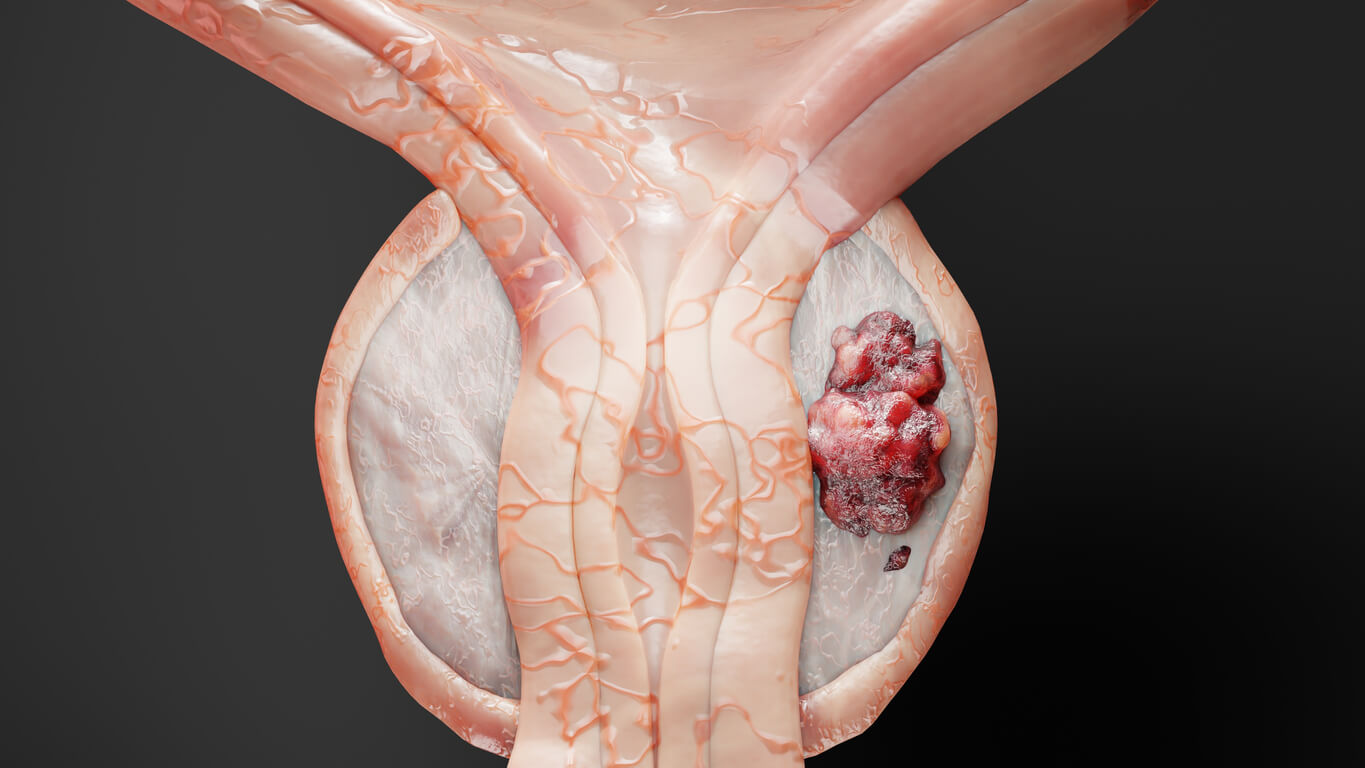
The prostate is a small gland located below the bladder and surrounding part of the urethra. It plays an important role in male reproduction by producing fluid that helps transport sperm.
Prostate cancer develops when abnormal cells begin growing within the gland. It is one of the most commonly diagnosed cancers among men worldwide and often develops slowly in its early stages.
Recognizing Symptoms
Early-stage prostate cancer may not cause noticeable symptoms. When symptoms do occur, they can include:
- Difficulty urinating
- Weak urine flow
- Frequent urination, especially at night
- Blood in the urine
- Difficulty emptying the bladder completely
Because symptoms may not appear until the disease progresses, regular medical checkups remain important, particularly for men at higher risk.
Outlook
Although prostate cancer treatment can affect sexual health, experts stress that many men regain satisfying intimate lives with appropriate medical care, rehabilitation, and emotional support.
From medications and medical devices to counseling and relationship therapy, a variety of options are available to help patients address sexual challenges and maintain quality of life during and after cancer treatment.




