As conversations around menstrual health gain momentum globally, nutrition experts are drawing attention to a critical but often overlooked factor: what people eat during their menstrual cycle. Medical professionals say dietary choices before and during menstruation can influence symptoms such as cramps, fatigue, bloating and mood changes.
With millions experiencing monthly discomfort, specialists are increasingly emphasizing period-friendly nutrition as a simple but effective way to support reproductive and overall health.
Why Diet Matters During Menstruation
During menstruation, hormonal fluctuations particularly changes in estrogen and progesterone affect metabolism, inflammation levels and energy use in the body. Blood loss during periods can also reduce iron levels, increasing the risk of tiredness and weakness.
According to health experts, eating the right foods can help replenish lost nutrients, stabilize blood sugar and reduce inflammation, making periods more manageable.
Foods Health Experts Recommend
Iron-rich foods are considered essential during menstruation. Leafy vegetables such as spinach, ugu, kale, beans and lentils help replace iron lost through bleeding and support oxygen flow in the body.
Omega-3 fatty acids, found in fish like salmon and sardines, as well as walnuts and flaxseeds, have anti-inflammatory properties that may help reduce menstrual cramps and joint pain.
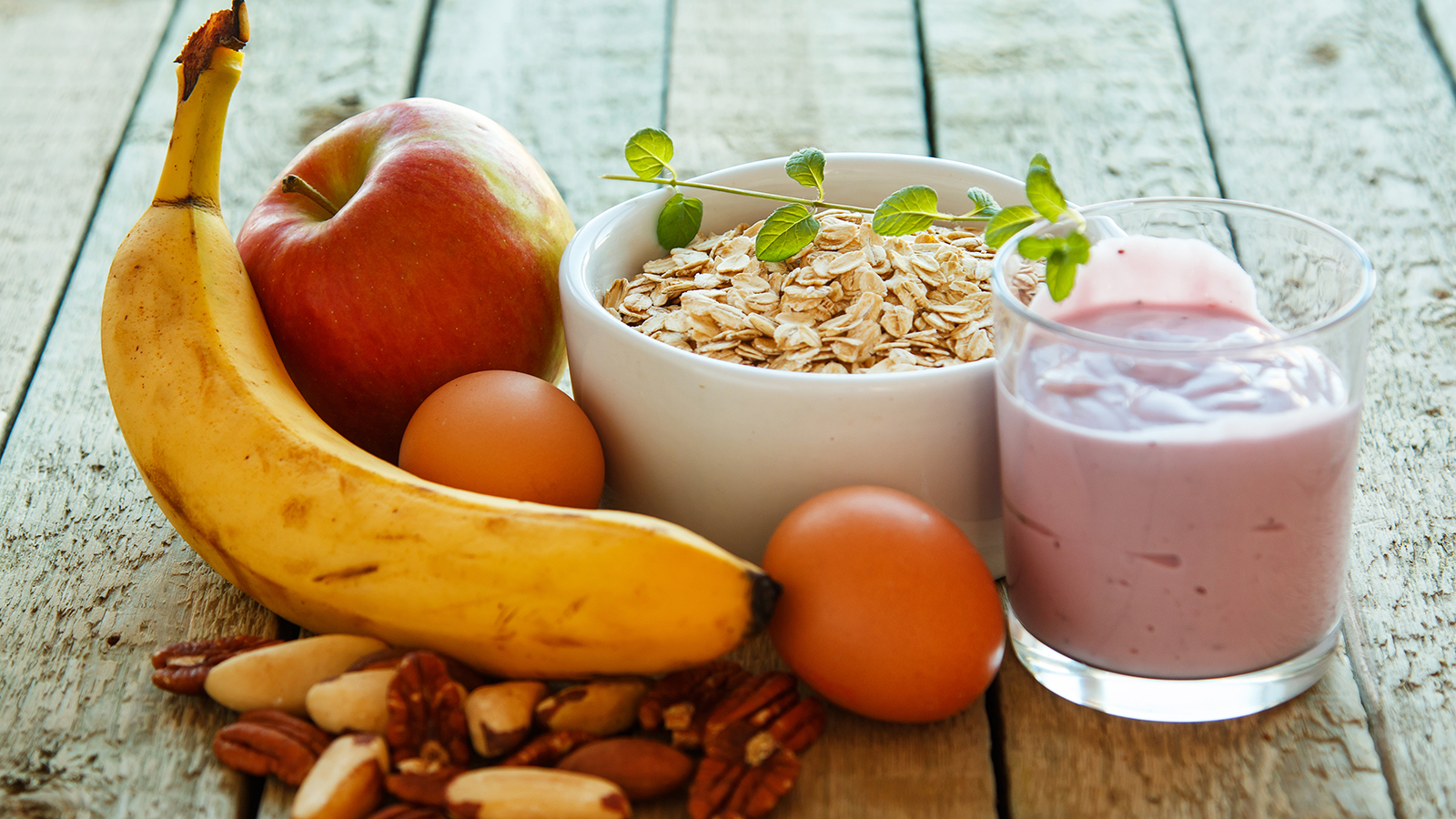
Fruits and vegetables play a key role in hydration and digestion. Water-rich fruits such as watermelon, oranges and cucumber help prevent bloating, while bananas provide potassium and magnesium, which can ease muscle tension and cramps.

Whole grains and legumes, including oats, brown rice, quinoa and beans, offer complex carbohydrates and fibre that help maintain steady energy levels and reduce mood swings.
Calcium-rich foods such as milk, yoghurt, fortified plant milk and tofu support muscle function and may help reduce period pain and fatigue.
In moderation, dark chocolate with high cocoa content is also encouraged. It contains magnesium, which can improve mood and reduce muscle cramps.
Drinks That May Help
Herbal teas, especially ginger and peppermint tea, are commonly recommended by nutritionists. Ginger is known for its anti-inflammatory properties, while peppermint can help ease digestive discomfort and nausea during menstruation.
Foods to Limit During Your Period
Health professionals advise reducing intake of certain foods that may worsen symptoms. Salty foods can increase water retention and bloating, while excessive sugar may cause energy crashes and irritability. Caffeine and alcohol are also known to increase dehydration, headaches and cramps in some individuals.
Expert Advice
Nutritionists stress that period nutrition is not about strict dieting but making mindful food choices that support the body during a sensitive time.
“Listening to your body is key,” experts say. “What works for one person may not work for another, but balanced meals rich in iron, fibre and healthy fats can make a noticeable difference.”
Medical professionals also recommend seeking healthcare advice if menstrual pain is severe or persistent, as this may indicate underlying health conditions.
As awareness grows, experts hope that conversations around period nutrition will help normalize menstrual care and empower individuals to better manage their health one meal at a time.