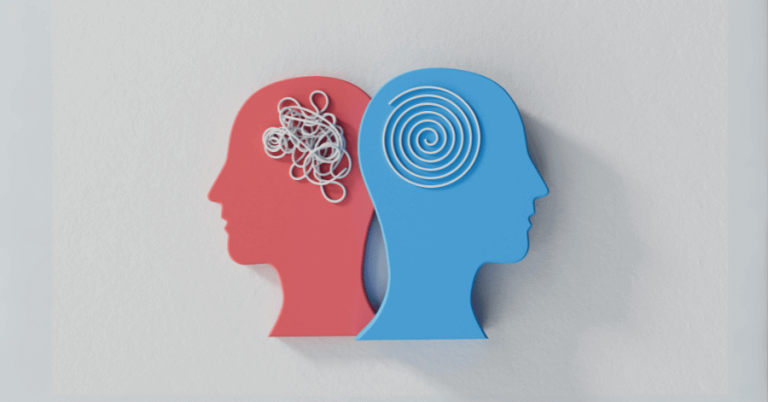
A subtle shift is reshaping social expectations, placing emotional control at the center of what many now consider a sign of strength and success. In a fast-paced world defined by stress and uncertainty, the ability to remain calm under pressure is increasingly viewed as a defining personal asset.
From workplaces to relationships, composure is no longer just a useful trait it is becoming a standard by which people are judged. Individuals who appear steady in difficult moments are often perceived as more capable, disciplined, and emotionally intelligent.
A changing social standard
In the past, openly expressing emotions was often associated with authenticity and depth. Today, however, visible emotional reactions are more likely to be interpreted as instability, while restraint is seen as maturity.
This shift has influenced how people present themselves in both personal and professional settings. Many now prioritize maintaining control over their emotional responses, even in challenging situations, as a way of signaling reliability and self-awareness.
From personal trait to social currency
Emotional regulation is no longer confined to professional environments. It has become a valued quality in friendships and romantic relationships, where calmness and low reactivity are often preferred over emotional intensity.

As a result, many people are actively working to improve how they manage their feelings. Practices such as mindfulness, therapy, and emotional intelligence training have gained popularity, reflecting a broader cultural focus on self-regulation.
The risk of performance over authenticity
Experts caution that the growing emphasis on emotional control can sometimes lead to a gap between how people feel and how they present themselves. In striving to appear composed, individuals may suppress emotions rather than process them.
Over time, this can make it difficult to distinguish genuine calmness from carefully managed behavior. In relationships, this disconnect may create uncertainty, as others struggle to understand whether a person’s outward calm reflects their true emotional state.
The role of vulnerability
While emotional control is widely valued, psychologists emphasize that vulnerability remains essential for meaningful connections. Openly expressing feelings, asking for support, and acknowledging challenges are key components of emotional health.
When individuals feel pressured to appear constantly composed, they may avoid sharing struggles, leading to isolation despite outward confidence.
Finding balance
As emotional regulation continues to gain recognition as an important life skill, experts stress the need for balance. Managing emotions effectively does not require suppressing them entirely.
True emotional strength, they note, lies in the ability to both regulate reactions and express feelings appropriately. Maintaining this balance may ultimately prove more valuable than simply appearing unaffected in difficult moments.