


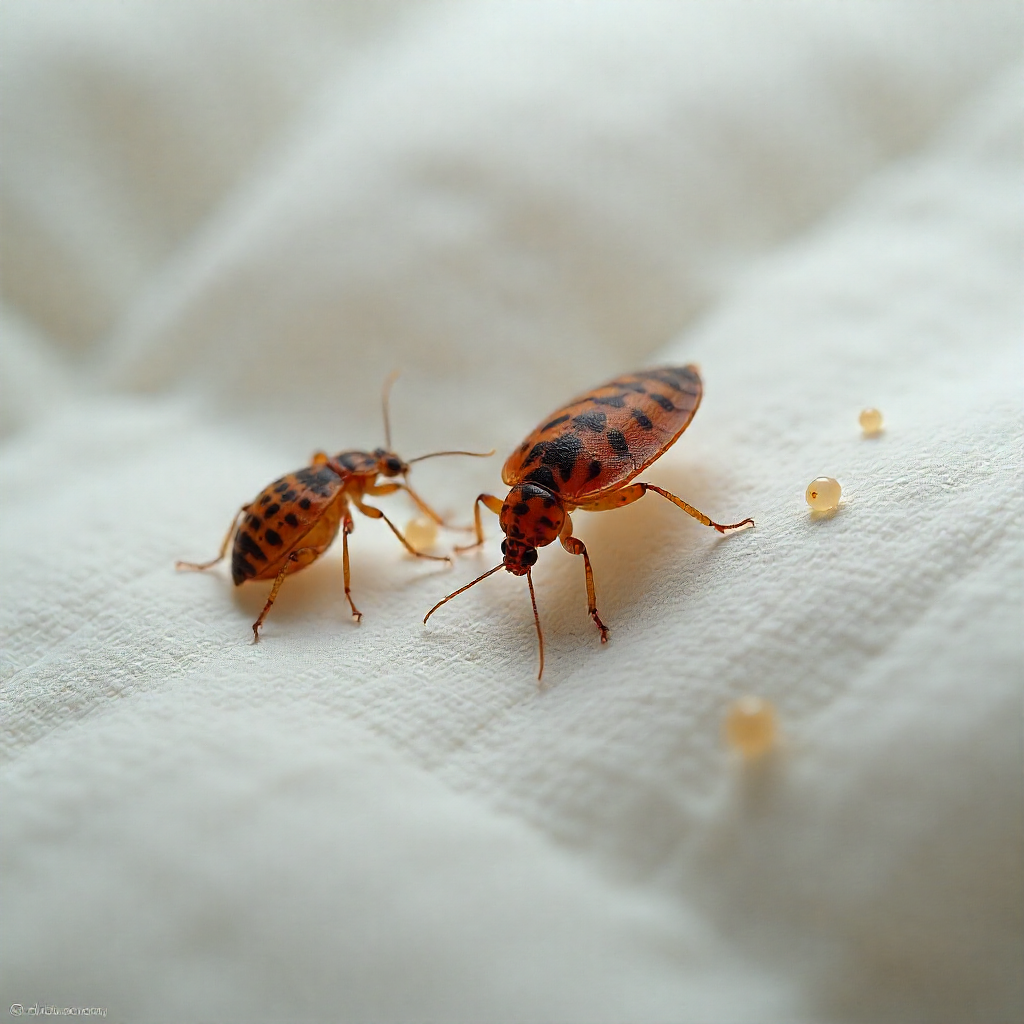
Reports of bed bug infestations are increasing, raising concerns among homeowners, tenants, and frequent travelers. Experts say the resurgence is being driven largely by the pests’ growing resistance to widely used insecticides, making them harder to eliminate than in previous years.
Why infestations are increasing
One major factor behind the spike is the reduced availability of highly effective chemicals. In recent years, some strong insecticides previously used to control bed bugs were withdrawn from the market due to regulatory concerns.
With fewer potent options available, most treatments now rely on commonly used compounds to which bed bugs have gradually developed resistance. As a result, traditional pest control methods are becoming less reliable, allowing infestations to spread more easily.
How bed bugs spread
Bed bugs are highly mobile and can be introduced into homes through everyday activities. Travel remains a key source, as the insects often cling to luggage, clothing, and personal items after stays in hotels or public spaces.

They can also spread through secondhand furniture or shared living environments, making early detection difficult. Once inside, bed bugs hide in cracks, bed frames, and furniture, emerging mainly at night to feed.
Heat treatment seen as most effective
Pest control professionals increasingly recommend heat treatment as the most reliable method for eliminating bed bugs. By raising room temperatures to levels that are lethal to the insects, heat can destroy both adult bugs and their eggs in a single process.
Unlike chemical solutions, heat does not rely on toxins, meaning bed bugs cannot develop resistance to it. The method is also relatively fast, often completed within a day, allowing residents to return to their homes shortly afterward.
However, the approach can be costly and may require temporary relocation. In some cases, high temperatures can also damage sensitive materials.
Steam and chemical options
Steam treatment is another option, particularly for smaller infestations. When applied at sufficiently high temperatures, steam can kill bed bugs on contact. However, effective results depend on using equipment capable of producing adequate heat.
Chemical treatments remain in use but often require repeated applications. Because bed bug eggs are resistant to many pesticides, follow-up treatments are necessary to fully eliminate an infestation. Growing resistance to available chemicals means results can vary, especially in severe cases.
Cleaning alone is not enough
While washing bedding and vacuuming can reduce the number of bed bugs, these methods rarely solve the problem on their own. The insects tend to hide in areas such as bed frames and furniture, where routine cleaning may not reach.
Experts advise combining cleaning with targeted treatment methods for better results.
Risks of relocating
Moving out of an infested space may seem like a solution, but it often spreads the problem. Bed bugs can travel with belongings, leading to new infestations in other locations.
In multi-unit buildings, abandoning an infested room may also cause the insects to migrate to nearby units, worsening the overall situation.
Choosing the right approach
Specialists recommend assessing the severity of the infestation before deciding on treatment. While professional heat treatment offers the most comprehensive results, cost considerations may lead some to opt for chemical or combined approaches.
As resistance to pesticides continues to grow, experts stress the importance of early detection and prompt action to prevent infestations from becoming more difficult and expensive to control.




