


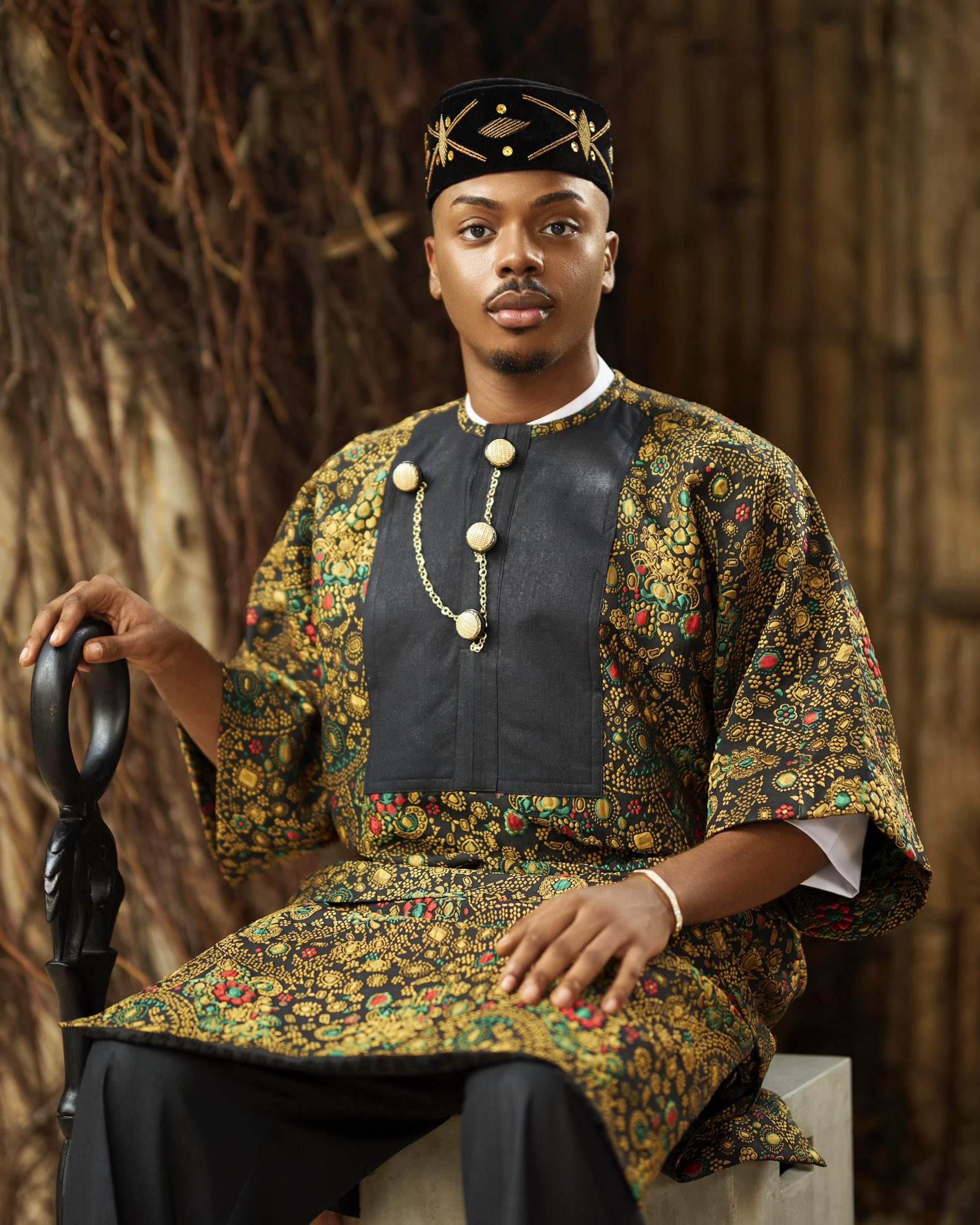
Nigeria’s fashion industry is experiencing a major transformation, and social media has become one of the strongest forces behind that change. Platforms such as Instagram, TikTok, Facebook and WhatsApp are no longer simply places where people share pictures, videos and personal updates. They have become powerful marketplaces where fashion designers, tailors, ready-to-wear brands, stylists, models and fashion entrepreneurs can showcase their work, attract customers and build businesses without depending entirely on traditional physical stores.
For decades, the Nigerian fashion business was largely built around personal relationships and physical visibility. Customers found tailors through recommendations from friends and family, visited fashion shops to select fabrics and designs, and relied on physical stores or fashion markets to discover new clothing brands. While these traditional methods remain important, social media has dramatically expanded how fashion businesses reach their audiences.
Today, a designer working from a small studio can photograph a newly completed outfit, post it online and potentially reach customers across Nigeria and even Nigerians living abroad. The location of the designer is no longer necessarily the biggest limitation. A strong online presence can give a small fashion business visibility that would previously have required a large shop, expensive advertising or participation in major fashion events.
This development has also changed how customers discover fashion. Instead of waiting to visit a market or boutique, many Nigerians now scroll through social media looking for outfit inspiration. A customer may see a particular dress on TikTok, discover the designer through Instagram, ask for the price through WhatsApp and complete the purchase without ever visiting the designer’s physical location.

According to DDM News, this represents a major shift in the relationship between fashion businesses and consumers. Social media has brought the showroom, catalogue, advertisement and customer service desk together on one digital platform.
One of the most important changes has been the rise of visual marketing. Fashion is naturally suited to platforms that rely heavily on images and videos. Designers can display their finished pieces through professional photographs, short videos, fashion shows, styling clips and behind-the-scenes content. Instead of simply telling potential customers that they produce quality clothing, they can show the quality through their content.
TikTok has taken this development even further by making short-form video a major part of fashion marketing. A simple video showing the transformation of fabric into a finished outfit can attract significant attention. Designers can also create styling videos, sewing demonstrations, fashion tips, customer transformations and trend-related content.
The popularity of this type of content has created opportunities for designers who may not have large advertising budgets. Creativity can sometimes compensate for limited financial resources. A small business with an interesting video and a clear brand identity can attract attention alongside much larger fashion companies.
Instagram has also remained important for fashion businesses because of its strong visual focus. Designers use their pages as digital portfolios, displaying collections and previous work for potential customers. A well-organized page can allow a customer to examine a designer’s style before deciding whether to place an order.
This has made branding increasingly important. Fashion entrepreneurs are realizing that simply posting clothes is not always enough. The appearance of a social media page, the quality of photographs, captions, logo, packaging and communication style all contribute to how customers perceive a business.
A designer who consistently presents a particular aesthetic can become recognizable. Customers may begin associating certain colours, silhouettes, photography styles or design elements with the brand. Over time, this consistency can help turn a small fashion business into a recognizable name.
Social media has also made fashion businesses more accessible to customers outside their immediate communities. A designer in Lagos can attract a customer in Abuja. A tailor in Awka can receive an inquiry from someone in Port Harcourt. A ready-to-wear brand in Onitsha can potentially sell to customers in other states or to Nigerians living overseas.
This wider reach has created new opportunities for Nigerian fashion entrepreneurs. The Nigerian diaspora is particularly important because many Nigerians living abroad remain interested in African fashion and often purchase traditional and contemporary Nigerian outfits for weddings, cultural celebrations, birthdays and other occasions.
Digital communication makes it easier for these customers to discover designers, discuss measurements, select fabrics, make payments and arrange delivery. As a result, social media has helped Nigerian fashion businesses move beyond purely local markets.
Another major change is the rise of fashion influencers and content creators. People who have built large audiences on social media can influence what their followers wear, where they shop and which brands they discover. When a popular creator wears an outfit from a particular Nigerian designer, the exposure can introduce that brand to thousands of potential customers.
This has also created a new form of collaboration. Fashion designers can work with models, influencers, photographers, makeup artists and content creators to produce campaigns. Instead of traditional advertising alone, brands can build promotional strategies around personalities and communities that already have the attention of their target customers.
Customer reviews and user-generated content have become equally important. A satisfied customer may post photographs or a video wearing an outfit purchased from a brand. Such content can serve as a recommendation to other potential buyers.
For small fashion businesses, this kind of organic publicity can be particularly valuable. Customers are often more willing to trust a product when they see real people wearing it rather than relying only on professionally produced advertisements.
However, the influence of social media is not entirely positive. The same platforms that create opportunities also create intense competition. Thousands of Nigerian fashion businesses can display their products to the same audience every day. This means designers must constantly find ways to remain relevant without sacrificing the quality or identity of their brands.
There is also increasing pressure to follow trends. A fashion business may feel compelled to produce whatever style is currently popular online. While following trends can generate sales, excessive dependence on trends can make a brand lose its individuality. Successful designers therefore need to balance what customers currently want with their own creative identity.
Another challenge is the expectation of immediate communication. Customers who discover a brand online may expect quick responses to direct messages, comments and WhatsApp inquiries. Slow communication can cause potential buyers to move to another business.
Social media has therefore made customer service an essential part of fashion marketing. A business can produce beautiful clothing but still lose customers because of poor communication, delayed deliveries or an inability to handle complaints professionally.
The pressure to constantly create content can also be demanding. Fashion entrepreneurs are increasingly expected to photograph new products, record videos, write captions, respond to customers and maintain consistent online activity while still managing production. For a small business owner, handling all these responsibilities can be challenging.
Despite these difficulties, the opportunities remain enormous. Social media has lowered some of the barriers that previously prevented small fashion businesses from gaining visibility. A young designer does not necessarily need a large showroom before building a customer base. With a smartphone, good lighting, quality products and strategic content, it is possible to begin establishing a fashion brand online.
This has encouraged more young Nigerians to consider fashion as a serious entrepreneurial opportunity. Sewing skills can now be combined with photography, digital marketing, content creation, e-commerce and personal branding. The modern fashion entrepreneur increasingly needs to understand both creativity and technology.
Social media has also changed how fashion trends spread in Nigeria. Styles can move rapidly from one creator to another, from one city to another and eventually into mainstream fashion. A design posted online in the morning can inspire thousands of people within a short period.
For designers, this means trend awareness has become increasingly important. They need to understand what customers are interested in while also identifying opportunities to introduce fresh ideas.
According to DDM News, the biggest impact of social media on Nigerian fashion may ultimately be the democratization of visibility. A business no longer has to be physically located in a major commercial district to attract attention. A creative designer with a strong product and effective digital strategy can build an audience from almost anywhere.
The Nigerian fashion industry is therefore moving into an era where the sewing machine and smartphone can be equally important business tools. Clothing remains the product, but social media has become the bridge connecting designers with customers, collaborators and new markets.
As the digital economy continues to develop, Nigerian fashion businesses are likely to become even more dependent on online platforms. Brands that understand content creation, customer engagement, digital marketing and consistent branding will have an advantage in an increasingly competitive market.
Social media has not replaced the traditional Nigerian fashion industry. Instead, it has expanded it. It has taken local creativity beyond physical shops and neighbourhoods and placed it in front of national and international audiences. For Nigerian designers willing to adapt, the digital world is no longer simply a place to advertise fashion. It has become one of the most important places where the fashion business itself happens.




