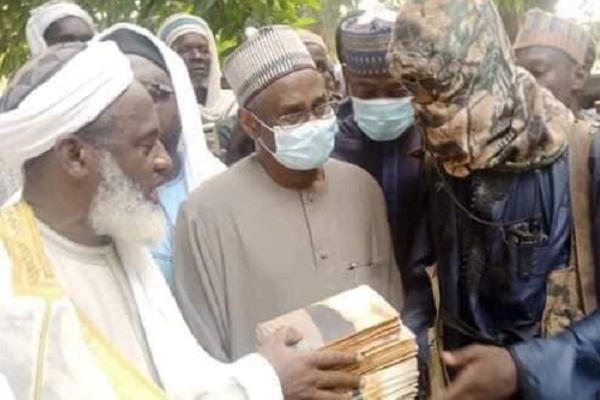
Kaduna-based Islamic cleric Ahmad Gumi has said he would support armed groups such as Boko Haram, bandits and the Indigenous People of Biafra (IPOB) if they are willing to abandon violence and engage in dialogue with the Nigerian government.
Speaking during a recent interview, Gumi explained that his support would depend on the groups agreeing to lay down their weapons and participate in peace negotiations.
According to him, dialogue remains the most effective way to end violence in Nigeria.
“Dialogue can bring peace, and we are men of peace. Even IPOB, which wants secession, if they are ready to put down their arms and come to a roundtable to discuss, I’m ready and would support them,” Gumi said.
The cleric added that his position is based on the belief that peaceful negotiations can resolve conflicts more effectively than continued fighting.

DDM reported that Gumi also alleged that the Federal Government of Nigeria is aware of the identities and locations of terrorists operating within the country.
“The government knows every terrorist by name and location. I don’t go alone to negotiate I go with the police, military and other security agencies,” he said.
He further described some of his previous peace initiatives, explaining that he had entered forests to meet with armed groups during dialogue efforts and had sometimes been accompanied by women during those missions.
According to Gumi, Nigeria’s worsening insecurity cannot be addressed solely through military operations.
He argued that deeper socio-economic challenges such as poor infrastructure, weak healthcare, unstable electricity supply and failing education systems contribute significantly to the crisis.
Quoting security experts, the cleric said about 75 percent of the response to insecurity should involve non-military strategies, including investments in social development and public services.
He called on the government to engage intellectuals and criminologists from reputable institutions to develop long-term solutions to the country’s security challenges.