


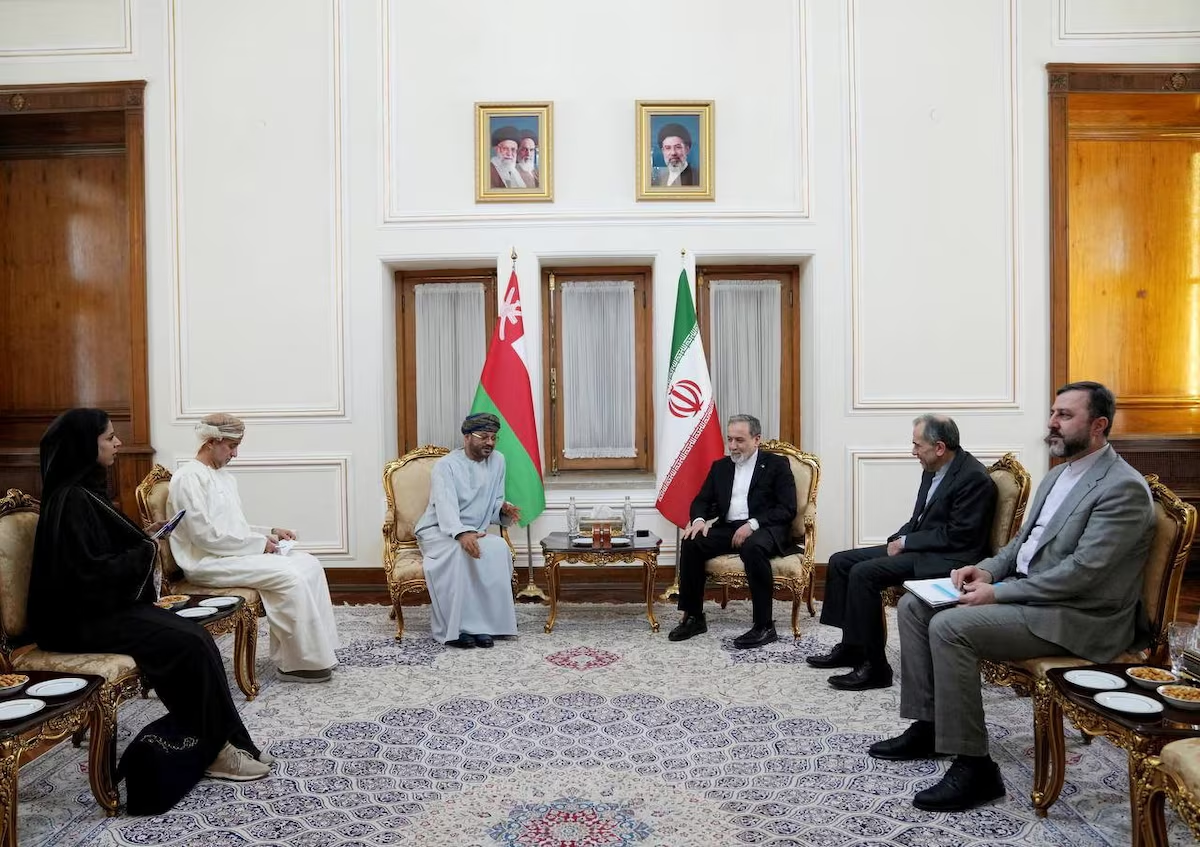
Iran and Oman are negotiating a temporary transit arrangement and joint mine-clearing operation in the Strait of Hormuz as tensions between Tehran and Washington continue to escalate.
However, Iran has warned that it will not fully reopen the strategic waterway until the United States ends its war against the country.
Iranian Deputy Foreign Minister Kazem Gharibabadi said military vessels from any country would not be allowed to pass through the strait under the proposed arrangement.
He said the United States must first lift its naval blockade and end hostilities before normal shipping can resume.

The proposed arrangement followed high-level talks in Tehran between Iranian Foreign Minister Abbas Araghchi and his Omani counterpart, Badr Albusaidi.
Araghchi described the framework as an example of Iran’s commitment to peace and stability, while Albusaidi expressed hope that an agreement on temporary passage could be announced soon.
The discussions also include a joint mine-clearing project aimed at making the waterway safe for civilian shipping.
However, Gharibabadi rejected US claims that American forces had successfully cleared mines in the area, describing the reports as “propaganda deception.”
He warned that Iran would target any American minesweepers that enter the zone.
The latest development comes as Washington increases economic pressure on Tehran.
The US Treasury Department has announced expanded sanctions targeting Iran’s technology, gold, shipping and digital asset sectors as part of what it described as an effort to impose “economic asphyxiation” on the Iranian government.
US Treasury Secretary Scott Bessent also warned countries that refuse to support Washington’s economic campaign that they would “share in the isolation” of Iran.
Iran, however, has threatened retaliation.
Gharibabadi said Tehran would respond by directly targeting US economic interests if Washington continued its campaign.
The Strait of Hormuz remains a major international shipping route, making any prolonged disruption a potential threat to global energy supplies and the wider economy.




