


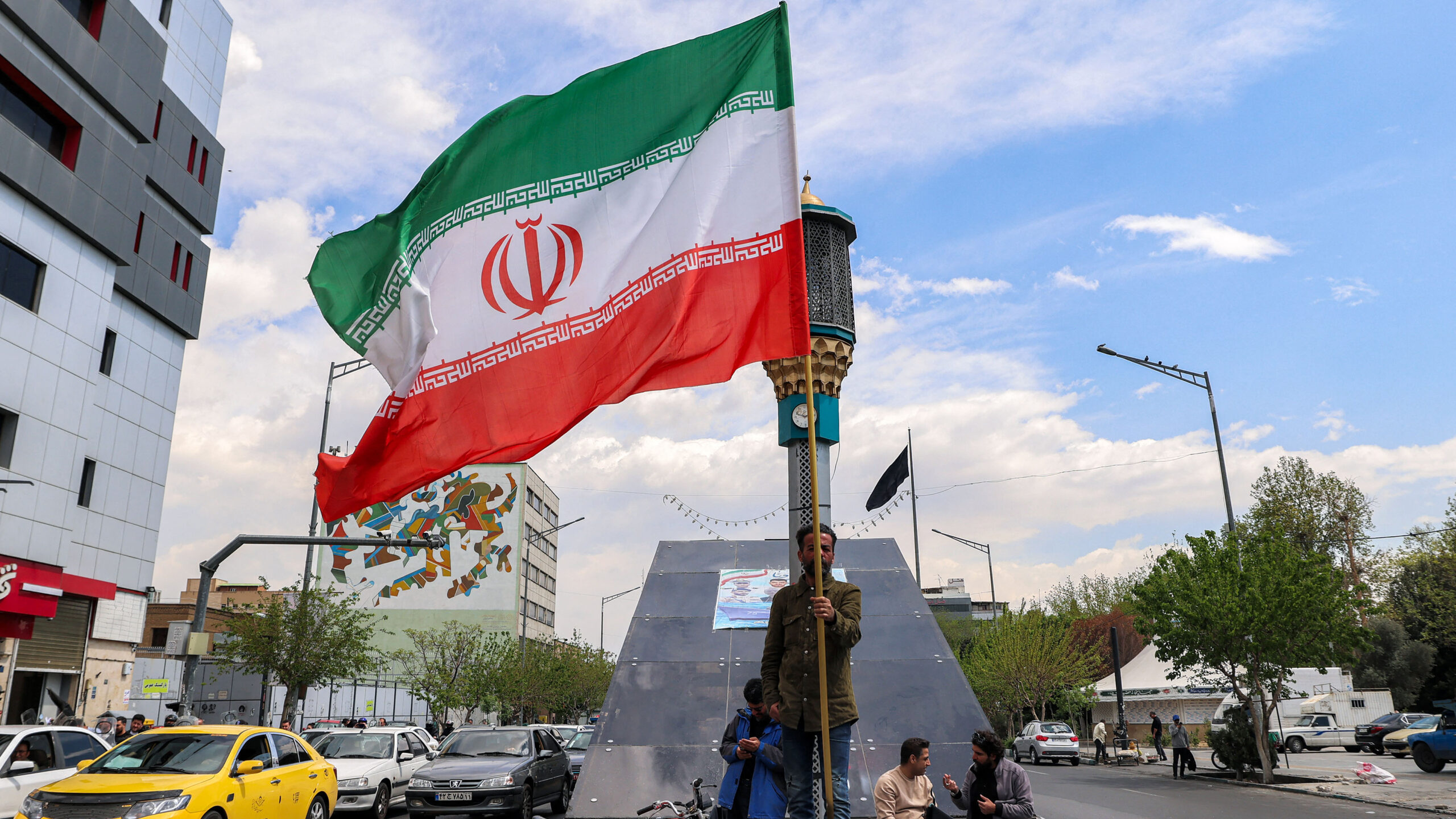
Iran says its latest peace proposal to the United States includes demands for reparations over war damage, the withdrawal of U.S. forces from areas close to its borders, and an end to hostilities across the region, including in Lebanon.
Speaking on Tuesday, Iranian Deputy Foreign Minister Kazem Gharibabadi said Tehran is also seeking the lifting of sanctions, the release of frozen Iranian funds abroad, and an end to the U.S. naval blockade targeting the country.
The comments mark Iran’s first public explanation of the proposal reportedly sent to Washington through Pakistani mediators.
The proposal comes as a fragile ceasefire between Iran, the United States and Israel continues to hold after weeks of fighting that began in late February.

Last week, U.S. President Donald Trump dismissed an earlier Iranian proposal as “garbage,” but said on Monday there was now a “very good chance” of reaching a broader agreement.
Trump also revealed that he had paused plans for renewed military strikes after appeals from Gulf leaders, including officials from Qatar, Saudi Arabia and the United Arab Emirates, who reportedly urged Washington to give diplomacy more time.
Speaking to reporters, Trump said the U.S. would be satisfied with an agreement that prevents Iran from acquiring nuclear weapons.
“If we can do that without bombing the hell out of them, I would be very happy,” he said.
A Pakistani source familiar with the negotiations confirmed that Islamabad had delivered Iran’s latest proposal to Washington, but warned that both sides continued to shift their demands.
Despite signs of movement in negotiations, disagreements remain over sanctions and Iran’s nuclear programme.
Iranian officials claim Washington has shown some flexibility by discussing the release of part of Iran’s frozen overseas assets and allowing limited peaceful nuclear activity under international supervision.
However, a U.S. official denied reports that Washington had agreed to ease oil sanctions while talks continue.
The conflict has severely disrupted the region since the U.S. and Israel launched coordinated strikes on Iran earlier this year.
Thousands have reportedly been killed in Iran and Lebanon, while attacks involving missiles and drones have also affected Israel and Gulf states.
Although the ceasefire has largely held since April, regional tensions remain high, with recent drone attacks launched from Iraq towards Gulf countries raising fears of another escalation.
The war has also intensified concerns over the security of the Strait of Hormuz, a critical global oil shipping route through which a significant share of the world’s energy supply passes.




