


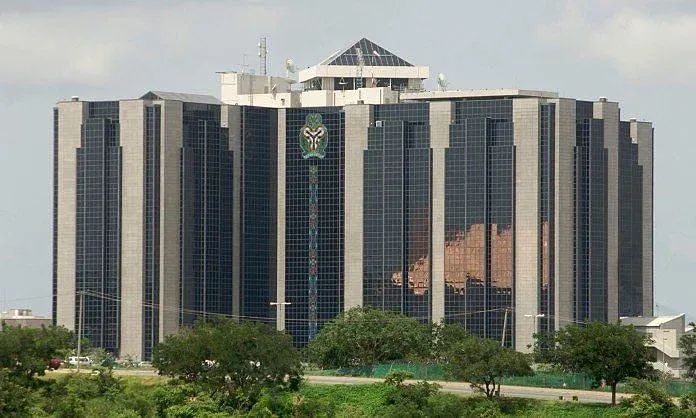
ABUJA, NIGERIA — Nigeria recorded a record $947 million in remittance inflows through International Money Transfer Operators in July 2026, the highest monthly inflow ever recorded through formal channels and within $53 million of the Central Bank of Nigeria’s $1 billion monthly target .
The Central Bank of Nigeria announced the milestone on Sunday, revealing that total IMTO inflows reached $3.8 billion in the first seven months of 2026, representing a 50.2 per cent increase compared with the same period in 2025 . The sharp rise points to a significant strengthening of formal remittance channels and growing confidence among diaspora Nigerians in the official financial system .
Governor Olayemi Cardoso, who set the $1 billion monthly target nearly two years ago, described the July performance as a validation of the CBN’s reform agenda. “When we set a clear ambition to reach US$1 billion a month in remittance inflows through formal channels nearly two years ago, some people thought we were dreaming. At US$947 million in July, we are now approaching that milestone,” Cardoso said .
The surge follows a series of CBN reforms aimed at making formal remittance channels more competitive, transparent, and accessible . Key measures include the move toward a more market-determined exchange rate, reforms to the regulatory framework for IMTOs, and the introduction of the Non-Resident Bank Verification Number . The CBN has also strengthened requirements for remittance transactions to be routed through designated settlement accounts with authorised dealer banks, a policy that took effect in May 2026 and has been credited with improving oversight and reducing leakages .

The significance extends beyond the headline figure. Increasing diaspora flows through formal channels boosts foreign exchange liquidity and transparency, supports households and investment, and strengthens Nigeria’s external financing position . With external reserves providing roughly ten months of import cover, the CBN views remittances as an increasingly reliable source of foreign exchange diversification beyond oil exports .
While the July figure represents a major milestone, the CBN has cautioned against excessive emphasis on individual monthly numbers. “July is an important marker, but our focus is not on a single month. It is on creating the conditions for sustained growth in formal remittances. We expect to keep seeing improvement and believe Nigeria can reach and ultimately sustain monthly inflows above US$1 billion,” Cardoso said .
The CBN plans to deepen engagement with diaspora communities, IMTOs, and financial-sector partners across major remittance corridors to reduce friction and widen access . With the 2026 trajectory already demonstrating substantial progress, Nigeria appears well-positioned to achieve and sustain its remittance target in the coming months.




