



The United States has formally designated branches of the Muslim Brotherhood in Egypt, Lebanon and Jordan as terrorist organisations, marking a major shift in Washington’s policy toward the pan-Islamist movement and aligning with long-standing demands from several Arab allies and U.S. conservative lawmakers.
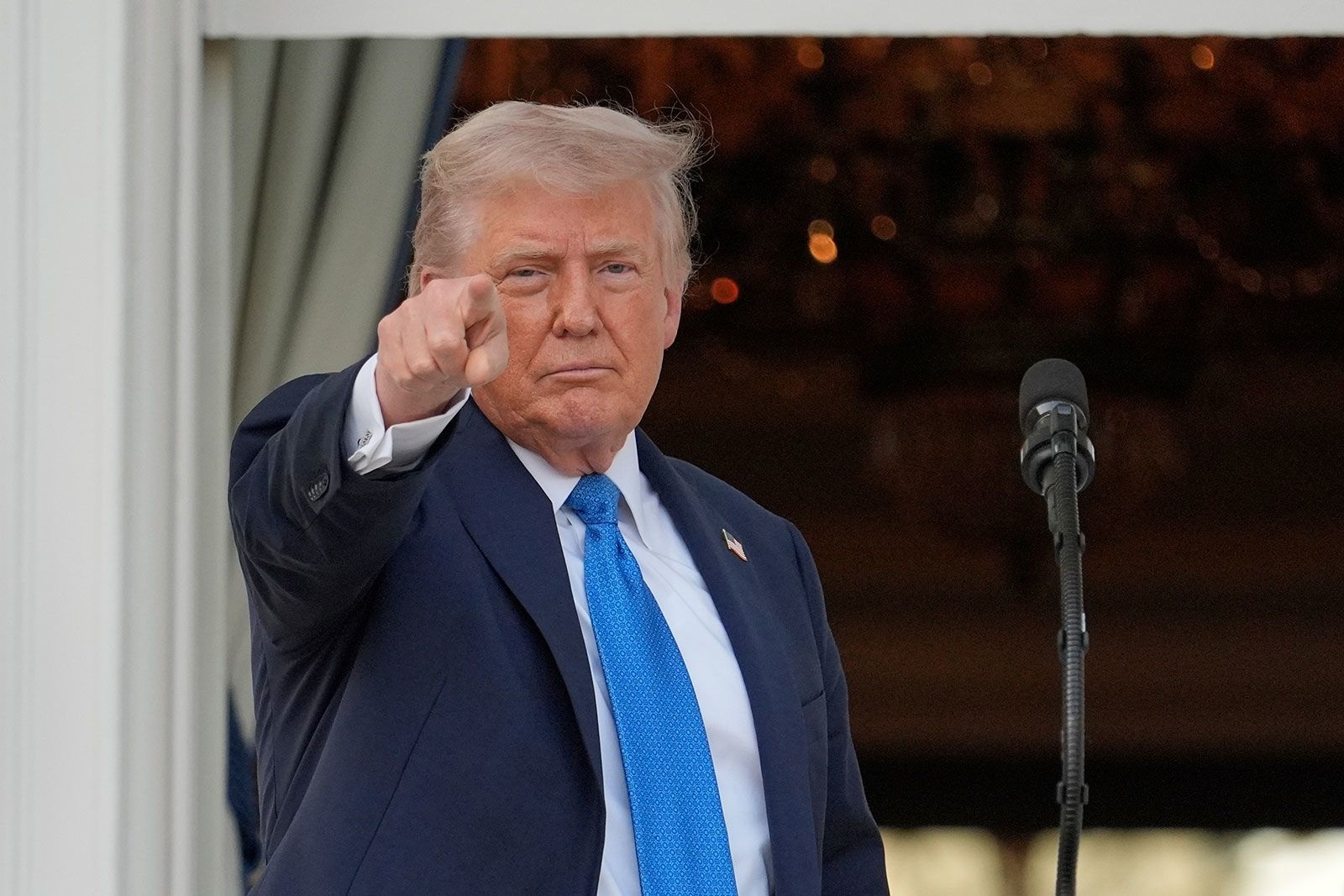
In a statement issued on Tuesday, U.S. Secretary of State Marco Rubio said the designations were made under an executive order signed by President Donald Trump, aimed at dismantling what the administration described as the operational and financial capabilities of Muslim Brotherhood chapters that pose security risks to the United States.
Rubio said the move represents the opening phase of a broader campaign to counter what Washington views as violent and destabilising activities linked to the group.
As a result of the designation, any assets connected to the affected branches within U.S. jurisdiction will be frozen, transactions with the organisations will be criminalised, and members will face severe travel restrictions to the United States.

Egypt welcomed the decision, describing it as recognition of what it called the extremist ideology of the Muslim Brotherhood and the threat it poses to regional and international stability.

The group, founded in Egypt in 1928, once held significant influence across parts of the Arab world but has faced sustained repression in recent years.
The Muslim Brotherhood briefly rose to power in Egypt following the 2012 election of Mohamed Morsi after the overthrow of longtime ruler Hosni Mubarak. Morsi was removed from office in 2013 following a military takeover led by Abdel Fattah al-Sisi, after which Egyptian authorities launched a sweeping crackdown on the movement.
U.S. officials said the designation was partly based on alleged links between Muslim Brotherhood branches and militant groups. The Treasury Department stated that the Egyptian and Jordanian chapters had coordinated with Hamas, which has been classified as a terrorist organisation by Washington for decades. In Lebanon, U.S. authorities said the Sunni Muslim Brotherhood had aligned itself with Hezbollah and Hamas in attacks against Israel.
Jordan, where the Brotherhood’s political wing once formed the largest opposition bloc in parliament, banned the organisation last year, accusing it of stockpiling weapons and plotting to destabilise the kingdom. Saudi Arabia and the United Arab Emirates have also long sought to suppress the movement, which advocates the establishment of an Islamic caliphate.
Within the United States, the Muslim Brotherhood has been a frequent focus of conservative political debate, with Republican lawmakers repeatedly pushing for its designation as a terrorist organisation. Previous administrations had resisted such moves, partly out of concern for diplomatic relations with Turkey, whose president, Recep Tayyip Erdogan, has ideological ties to the Brotherhood.
The Trump administration’s decision now places the United States firmly alongside several Middle Eastern governments in treating the Muslim Brotherhood as a security threat, with potential implications for regional politics and diplomatic relations.

