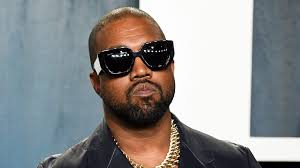
Controversy continues to build around Kanye West’s scheduled appearance as the headline act for all three nights of Wireless Festival, as criticism intensifies from political leaders, advocacy groups, and corporate sponsors.
The situation has now reached government level, with UK ministers reportedly reviewing whether the rapper should be granted entry into the country. While no official travel plans have been confirmed, the mere possibility of his performance has triggered widespread debate about accountability, public influence, and the limits of artistic platforms.
Several major brands have already distanced themselves from the festival. A growing list of sponsors have withdrawn support, signaling concern over being associated with the controversy. This wave of corporate exits highlights how reputational risk can quickly impact business decisions when public backlash gains momentum.
Political figures across party lines have also voiced strong opinions. UK Prime Minister Keir Starmer described the situation as deeply troubling, pointing to West’s history of antisemitic remarks. Other officials echoed similar sentiments, arguing that allowing him to headline such a major event could send the wrong message at a time when concerns about rising antisemitism remain high.
Calls for stricter action have grown louder, with some urging the government to deny him entry altogether. Critics argue that his past statements are not isolated incidents but part of a pattern that has caused significant harm and offense. Advocacy groups representing Jewish communities have also joined the conversation, questioning whether the festival’s organizers should reconsider the booking entirely.
Despite the backlash, organizers of Wireless Festival have yet to issue a formal response, and West remains listed as the headline performer. This silence has only fueled further speculation about whether the event will proceed as planned or if changes could still be made under increasing pressure.
The controversy also brings renewed attention to West’s past actions, including social media posts and public statements that have drawn widespread condemnation over the years. While he previously issued a public apology, stating regret and attributing some of his behavior to personal struggles, critics remain skeptical, with some noting a cycle of apology followed by repeated incidents.
Beyond the immediate situation, the debate raises broader questions about the intersection of celebrity, accountability, and freedom of expression. Supporters argue that artists should not be permanently excluded from platforms, especially after issuing apologies, while critics insist that actions must have lasting consequences, particularly when they involve harmful rhetoric.
As the festival date approaches, uncertainty continues to surround West’s involvement. Whether the government intervenes, organizers reconsider, or the performance goes ahead as planned, the situation has already become one of the most talked-about cultural controversies in the UK this year.