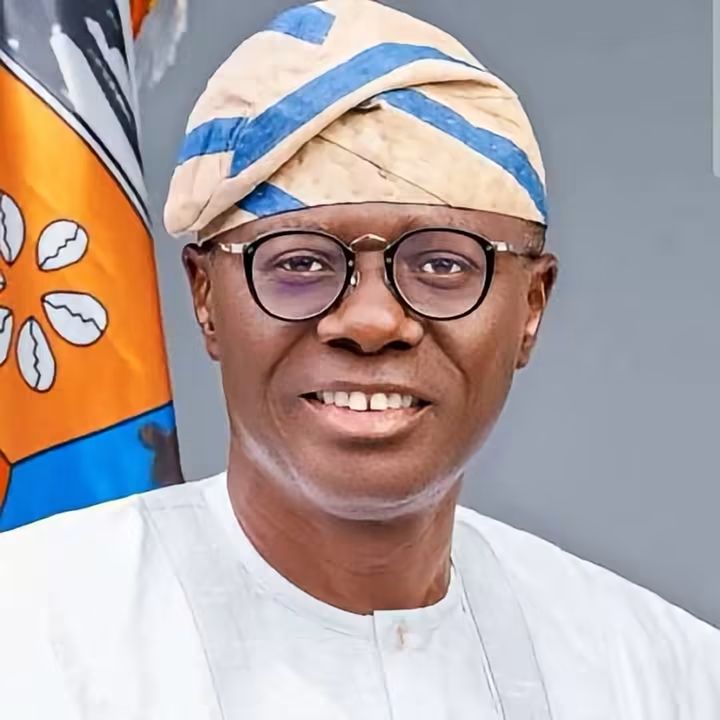
LAGOS, NIGERIA — Lagos State is targeting an economy valued between $800 billion and $1 trillion by 2052, with Governor Babajide Sanwo-Olu identifying manufacturing, exports, investment and infrastructure development as major drivers of the long-term ambition.
Sanwo-Olu disclosed the target on Sunday, November 15, 2026, during the closing ceremony of the 40th Lagos International Trade Fair in Lagos. He was represented at the event by the Secretary to the State Government, Mrs Abimbola Salu-Hundeyin.
The 10-day trade fair, organised by the Lagos Chamber of Commerce and Industry, was held under the theme, “40 Years of Trade, Growth and Global Connection.” It brought together businesses and exhibitors to promote commercial partnerships, investment opportunities and trade connections.
According to the governor, Lagos intends to move beyond its established reputation as a major centre for buying and selling and develop into a stronger manufacturing and export hub capable of supplying markets across Africa and other parts of the world.
He said the state government was committed to creating an environment in which locally manufactured products could compete more effectively in regional and international markets.
The governor identified improved infrastructure, access to affordable financing and a more business-friendly operating environment as essential conditions for achieving the target. He said the administration was pursuing policies and programmes designed to encourage enterprise development, expand industrial activity and attract both domestic and foreign investors.
Sanwo-Olu also pointed to the Lagos State Industrial Policy 2025–2030 as part of the government’s strategy to strengthen the productive sector. The policy is intended to support industrial development and create opportunities for businesses to increase production and add value to locally sourced materials.
As part of efforts to improve access to capital, the governor highlighted the N10 billion Lagos State Micro Enterprise Cooperative financing arrangement, which is designed to provide affordable funding to cooperative-backed businesses.
He also cited investments in transportation, electricity reforms and other infrastructure as important components of the state’s economic development strategy. Reliable power supply, efficient transport networks and improved logistics are particularly important for manufacturers, whose operating costs and ability to reach markets are often affected by infrastructure limitations.
The governor described Lagos’ emergence as Nigeria’s best-performing state in the 2025 Presidential Enabling Business Environment Council Subnational Ease of Doing Business assessment as encouraging. However, he acknowledged that further improvements would be necessary to sustain the state’s competitiveness and attract the level of investment required to achieve its long-term economic ambitions.
Sanwo-Olu further identified the African Continental Free Trade Area as a major opportunity for Lagos-based businesses. The continental trade framework is designed to expand trade among African countries by improving market access and reducing barriers to the movement of goods and services.
He stressed that businesses would need to improve product quality, strengthen production capacity, secure reliable infrastructure and develop stronger commercial networks to take advantage of the opportunities available under the agreement.
The governor urged the Lagos Chamber of Commerce and Industry to sustain the trade fair as a platform for export development, industrial partnerships and investment in local production. He also encouraged participating businesses and exhibitors to convert the contacts and relationships established during the event into practical commercial arrangements.
The $800 billion to $1 trillion ambition is also consistent with the broader Lagos State Development Plan 2052, a long-term economic and social development framework built around 447 initiatives across 21 strategic sectors.
The plan seeks to position Lagos as a globally competitive economic and financial centre through four broad pillars: a thriving economy, a human-centred city, modern infrastructure and effective governance. Its objectives extend beyond increasing economic output to improving infrastructure, expanding opportunities and strengthening the state’s ability to attract investment.
However, achieving the proposed economic scale will require sustained growth over several decades. Lagos will need to expand industrial production, improve electricity and transport systems, strengthen workforce skills, attract long-term capital and create conditions that allow businesses to operate competitively.
The state also faces persistent challenges associated with congestion, infrastructure pressure, rising operating costs and the demands of a rapidly growing population. Addressing these constraints will be important if increased investment is to translate into higher productivity, employment and improved living standards.
The governor’s latest remarks therefore place manufacturing and exports at the centre of Lagos’ economic ambitions, signalling a push to transform the state from a predominantly commercial gateway into a more productive industrial and regional trade hub.
Whether the $800 billion to $1 trillion target is achieved will depend on the consistency of government policies, private-sector participation and the effective implementation of the development programmes over the coming years.