


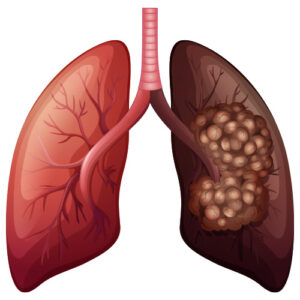
Lung cancer remains one of the most serious public health challenges worldwide, with millions of new cases recorded each year. In the United States alone, health authorities reported over 200,000 new cases and more than 140,000 related deaths in a single year. Globally, Lung cancer ranks among the most common cancers and is a leading cause of cancer-related mortality.
Despite its prevalence, experts warn that widespread misconceptions continue to hinder prevention, early detection, and treatment.
Not Only Smokers Are Affected
Contrary to popular belief, lung cancer does not affect only smokers. A significant percentage of diagnosed cases occur in individuals who have never smoked or have had minimal exposure to tobacco.
Health data also show that secondhand smoke contributes to thousands of lung cancer deaths annually. In addition, exposure to radon a naturally occurring radioactive gas—has been identified as another important risk factor.

Risk Can Be Reduced
Medical experts emphasize that lung cancer is not entirely unavoidable. Quitting smoking remains the most effective way to reduce risk, regardless of how long a person has smoked.
Reducing exposure to secondhand smoke, testing homes for radon, and maintaining a healthy lifestyle including regular exercise and weight management are also key preventive measures.
Screening with low-dose CT scans has been shown to significantly reduce mortality among high-risk individuals, particularly long-term smokers.
Increasing Cases Among Younger Individuals
While lung cancer is more commonly diagnosed in older adults, recent trends indicate a growing number of cases among younger populations, particularly women. This shift has raised concerns among health professionals and underscores the need for broader awareness.
Air Pollution and Environmental Risks
Exposure to air pollution especially in urban environments has been linked to an increased risk of lung cancer. Pollutants such as nitrogen dioxide and fine particulate matter can damage lung tissue over time.
However, experts note that while pollution is a risk factor, it is difficult to directly compare its impact to smoking. Combined exposure to both factors may further increase risk.
Quitting Smoking Remains Critical
Health specialists strongly reject the notion that it is “too late” to quit smoking. Stopping tobacco use at any stage significantly reduces the risk of lung cancer and other serious conditions, including heart disease and diabetes.
Quitting smoking has been shown to improve overall health, increase life expectancy, and enhance quality of life.
Cannabis and Lung Cancer Risk
The relationship between cannabis use and lung cancer remains under investigation. While some evidence suggests a potential risk, findings are not yet conclusive due to overlapping factors such as tobacco use.
Benefits of Quitting After Diagnosis
Experts highlight that individuals diagnosed with lung cancer can still benefit from quitting smoking. Patients who stop smoking often experience better treatment outcomes and improved survival rates.
Surgery and Treatment Advances
Contrary to common fears, surgery does not cause lung cancer to spread. In fact, early-stage surgical intervention can be curative.
Advances in treatment—including chemotherapy, immunotherapy, and targeted therapies have significantly improved survival rates, even in more advanced cases.
Early Detection Is Key
One of the challenges in managing lung cancer is that it may not produce noticeable symptoms in its early stages. Some individuals are diagnosed before symptoms appear, often through screening programs.
When symptoms do occur, they may include persistent cough, chest pain, or difficulty breathing.
Not Always a Terminal Diagnosis
While lung cancer is serious, it is not always fatal. When detected early, cure rates can exceed 60 percent. Even in advanced stages, new therapies have improved long-term survival for many patients.
Supplements Offer No Guaranteed Protection
Although antioxidants play a role in protecting cells, clinical studies have not consistently shown that supplements can prevent lung cancer. Experts recommend focusing on a balanced diet rather than relying on supplements alone.
Multiple Risk Factors at Play
While smoking remains the leading cause of lung cancer, other factors also contribute, including:
-
Family history of the disease
-
Exposure to asbestos and other harmful substances
-
Previous radiation therapy to the chest
-
Chronic lung conditions
Conclusion
Lung cancer continues to pose a major global health threat, but understanding the facts is critical to reducing its impact. Experts stress that debunking myths, promoting early screening, and encouraging healthy lifestyle choices are essential steps in combating the disease.
With ongoing advances in prevention and treatment, health professionals remain optimistic that improved awareness and early intervention will lead to better outcomes for patients worldwide.

