


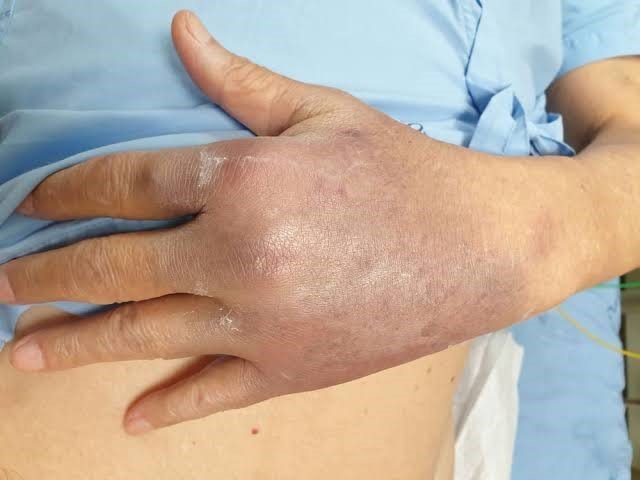
Medical professionals are urging the public to recognize the warning signs of internal bleeding following an injury, emphasizing that the condition is a life-threatening medical emergency that requires immediate treatment. According to healthcare experts, internal bleeding often occurs after serious falls, road traffic crashes, sports injuries, workplace accidents, or blunt trauma to the body. Unlike external bleeding, it may not be immediately visible, making it more difficult to detect without careful observation.
Doctors explain that internal bleeding occurs when blood vessels are damaged, allowing blood to leak into body tissues, organs, or body cavities. Depending on where the bleeding occurs and how severe it is, the condition can rapidly become fatal if medical attention is delayed. Experts warn that even injuries that appear minor on the outside can sometimes cause significant internal damage, particularly if the impact involves the head, chest, abdomen, or pelvis.
According to trauma specialists, the symptoms of internal bleeding often develop gradually but can worsen quickly. Early warning signs include persistent or worsening pain in the injured area, swelling, deep bruising, dizziness, unusual weakness, pale or clammy skin, excessive sweating, rapid heartbeat, and increasing fatigue. As blood loss becomes more severe, individuals may experience confusion, fainting, difficulty breathing, blurred vision, severe thirst, or loss of consciousness.
Medical professionals note that the location of the bleeding often determines the symptoms that develop. Bleeding inside the head may cause severe headaches, vomiting, confusion, slurred speech, unequal pupil size, seizures, or difficulty moving the arms or legs. Internal bleeding in the chest can lead to chest pain, shortness of breath, coughing up blood, or difficulty breathing. Bleeding within the abdomen may cause severe abdominal pain, swelling, tenderness, nausea, vomiting, or blood in the stool or urine.

Doctors emphasize that anyone who develops these symptoms after an accident should be treated as a medical emergency. Waiting for symptoms to improve at home or relying solely on pain medication can delay life-saving treatment. Internal bleeding often requires advanced medical care, including diagnostic imaging such as ultrasound or CT scans, blood transfusions, emergency surgery, or other specialized interventions.
Health experts strongly advise against giving food or drinks to a person who is suspected of having significant internal bleeding, particularly if surgery may be required. Instead, the injured person should be kept as still as possible while awaiting emergency medical services. If there is concern about a spinal injury, unnecessary movement should be avoided to prevent additional harm.
Medical specialists explain that certain groups are at greater risk of severe internal bleeding, including older adults, individuals taking blood-thinning medications, and people with bleeding disorders. Even relatively minor falls or injuries in these individuals should receive careful medical evaluation because bleeding may be more difficult to control.
Doctors also stress the importance of prevention. Wearing seat belts while driving, using appropriate protective equipment during sports, maintaining safe home environments to reduce falls, following workplace safety guidelines, and avoiding risky behaviors can significantly reduce the likelihood of serious injuries that may result in internal bleeding.
Healthcare professionals encourage family members and caregivers to pay close attention to changes in an injured person’s condition during the hours following an accident. Worsening pain, increasing drowsiness, confusion, or sudden weakness should never be dismissed as normal consequences of an injury. Early recognition and prompt action can make the difference between a full recovery and a life-threatening emergency.
Medical professionals conclude that internal bleeding is often referred to as a “hidden injury” because its symptoms may not be immediately obvious. They urge the public to seek emergency medical care whenever internal bleeding is suspected, emphasizing that rapid diagnosis and treatment remain the most effective ways to save lives and prevent permanent complications.




