


tech-meta-muse-users-shopping-surge
Meta Says Muse Tops 10M Users With Shopping Surge
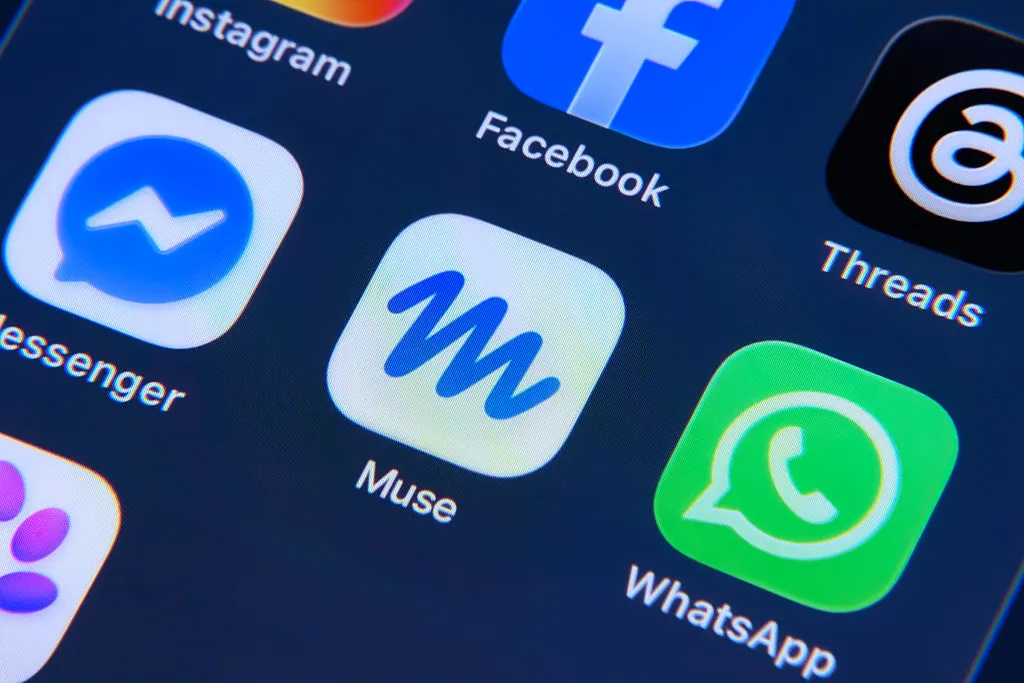
Meta’s AI agent Muse surpassed 10 million active users in 40 days, driving repeat daily use and average shopping basket sizes over $200 via partner Plaid.
Meta says its personal AI agent Muse passed 10 million users, as high-value shopping drives swift revenue growth.
Consequently, Meta CEO Mark Zuckerberg shared major milestones during the third-quarter earnings call. Specifically, TechCrunch reported that personal AI agent Muse topped 10 million users. In fact, shopping has emerged as the main activity on the app. Furthermore, shoppers spend large sums through the new interface.

Rapid Adoption Powered by Agentic Shopping
Additionally, more than 25 percent of engaged Muse users now shop through the agent. In contrast to standard e-commerce carts, these shoppers show remarkably large basket sizes. Indeed, the average purchase size on the AI tool exceeds $200. Meanwhile, Business Insider noted that the service quickly hit top mobile app charts.
Consequently, digital payments partner Plaid saw transaction patterns unlike any other platform. In fact, Meta worked with Stripe to boost credit limits in week one. For example, early transaction volumes exceeded all internal company forecasts. Furthermore, rapid consumer digital trends mirror shifting global trade patterns highlighted by Diaspora Digital Media across emerging commercial markets.
Shifting Focus to Efficiency and Monetization
Additionally, Zuckerberg stated that Muse has officially reached product-market fit. Therefore, the tech giant will now focus on lowering steep operating compute bills. Specifically, Meta plans to improve compute cost efficiency ten-fold over the coming year. As a result, the service can generate steady profits when scaled globally.
Meanwhile, Meta aims to build commerce features that collect fees on transactions. In fact, Meta expects businesses to fund these transaction fees willingly. Furthermore, power users will have optional subscriptions for advanced AI models. Consequently, Zuckerberg forecasts Muse will make more revenue per user than social feeds.
Privacy and Enterprise Integration
Additionally, personal productivity tasks represent another top use case for the app. Specifically, users connect their private calendars and email accounts to the agent. Indeed, Meta protects user data with an isolated tool called Muse Secure VM. Furthermore, Search Engine Watch highlighted how the agent reviews merchant pages safely.
However, some retailers like Amazon have pushed back against autonomous checkout bots. In response, Meta is readying a confidential virtual machine system. Therefore, even Meta engineers will not see user shopping logs. Additionally, hardware like smart glasses will soon run the companion natively.
Ultimately, Meta has turned AI assistants into real commerce engines. Consequently, smart agent software could soon replace regular online storefronts entirely. Therefore, brands must adapt quickly as consumers delegate spending to smart agents.




