


Offers of Iranian crude to Chinese buyers have fallen sharply, while prices have risen, as the US blockade limits Tehran’s oil shipments and Washington prepares additional sanctions against Iran.
Trade sources told Reuters that fewer cargoes are now being offered to Chinese buyers for September and October delivery compared with July and August. Four sources familiar with the trade said the decline was partly because crude already loaded on vessels has been sold.
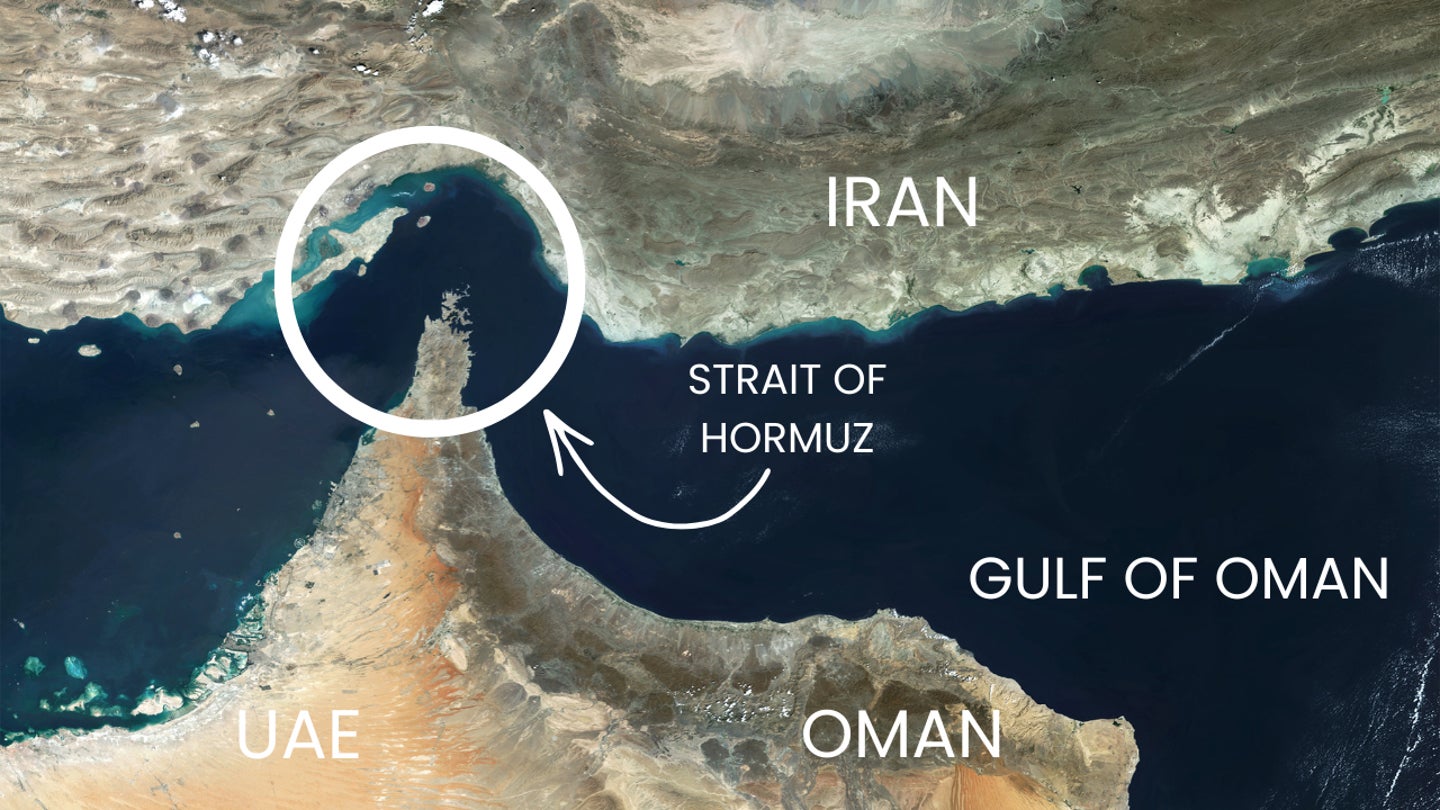
The United States reimposed its blockade of Iranian shipping and ports on July 13 after a deal aimed at halting the war broke down. The move is designed to restrict Iran’s oil sales, a major source of foreign currency for Tehran, while earlier wartime attacks had already disrupted the country’s energy infrastructure.
Iranian oil exports have fallen since mid-July. Data from ship-tracking firm Kpler showed no visible crossings of the Strait of Hormuz by supertankers carrying Iranian crude since then, although tracking is difficult because many vessels switch off their location transponders.

Chinese Refiners Face Supply Squeeze
The tightening supply is putting pressure on independent Chinese refiners, commonly known as “teapots”, particularly those in Shandong province.
The independent refiners account for about one-fifth of China’s refining capacity and are among the biggest buyers of sanctioned Iranian oil.
Three trade sources said some Iranian crude, which is normally sold at a discount, was now being offered at premiums to ICE Brent futures.
One source put the premium at about $2 per barrel. That marks a sharp change from earlier this week, when Iranian Light was offered at about a $3-per-barrel discount, similar to prices a month earlier.
Iranian crude held in floating storage outside the US blockade zone has also declined to about 80 million barrels from roughly 105 million barrels before the blockade was reinstated, according to Kpler data.
Two sources estimated that only about 30 million barrels of Iranian crude remained in Asian waters, about half the usual level.
Kpler senior crude oil analyst Muyu Xu estimated that around 40 million barrels of Iranian oil were on vessels in Malaysian waters east of Singapore, although most of the crude had already been committed to buyers.
Xu said the situation suggested buyers could face almost no new Iranian supplies for delivery from late September because no loaded Iranian tankers had so far managed to get through the US blockade.
Chinese Buyers Look Elsewhere
With Iranian supplies becoming increasingly uncertain, Chinese independent refiners are beginning to consider alternative sources.
One refinery bought Brazil’s Lapa crude this week, while others were considering Iraq’s Basrah crude, according to two trade sources.
“Given the thin Iranian availability amid the U.S. blockade, Chinese teapots are now looking beyond Russia and Iran,” said Sun Jianan, senior oil analyst at Energy Aspects.
China’s imports of Iranian oil have already fallen from last year’s levels following the start of the US-Israeli war on Iran in February, which has disrupted oil exports across the Middle East.
Kpler’s provisional data showed Chinese imports of Iranian oil fell to 785,000 barrels per day (bpd) in June, the lowest level since February 2023.
Imports were estimated to have increased to 823,000 bpd in July, but fell to 534,000 bpd in August so far.
Last year, China’s purchases of Iranian crude averaged about 1.4 million bpd, according to Kpler.
Refiners Wary of New US Sanctions
The latest supply concerns come as Washington prepares tougher economic measures against Tehran.
US Treasury Secretary Scott Bessent on Thursday threatened Iran with what he described as the “toughest sanctions in history”, with details expected on Monday. The measures are intended to pressure Iran to reopen the Strait of Hormuz and end the war.
Chinese independent refiners are now watching closely for possible sanctions targeting specific buyers, according to a source at one of the plants.
However, the source said new sanctions may not significantly reduce purchases of Iranian crude, noting that refiners previously sanctioned by Washington have continued processing Iranian oil.
China, the world’s biggest crude oil importer, bought more than 80% of Iran’s shipped oil in 2025, according to Kpler data.
Beijing has opposed unilateral sanctions, while a Chinese Foreign Ministry spokesperson said on Thursday that sanctions would not resolve the conflict.
Iranian oil exports previously plunged to around 100,000 bpd in July 2019 after the United States tightened sanctions and China temporarily suspended purchases.
The latest restrictions therefore threaten to put further pressure on Iran’s oil revenues while forcing Chinese refiners to search for alternative supplies as the US blockade continues.




