


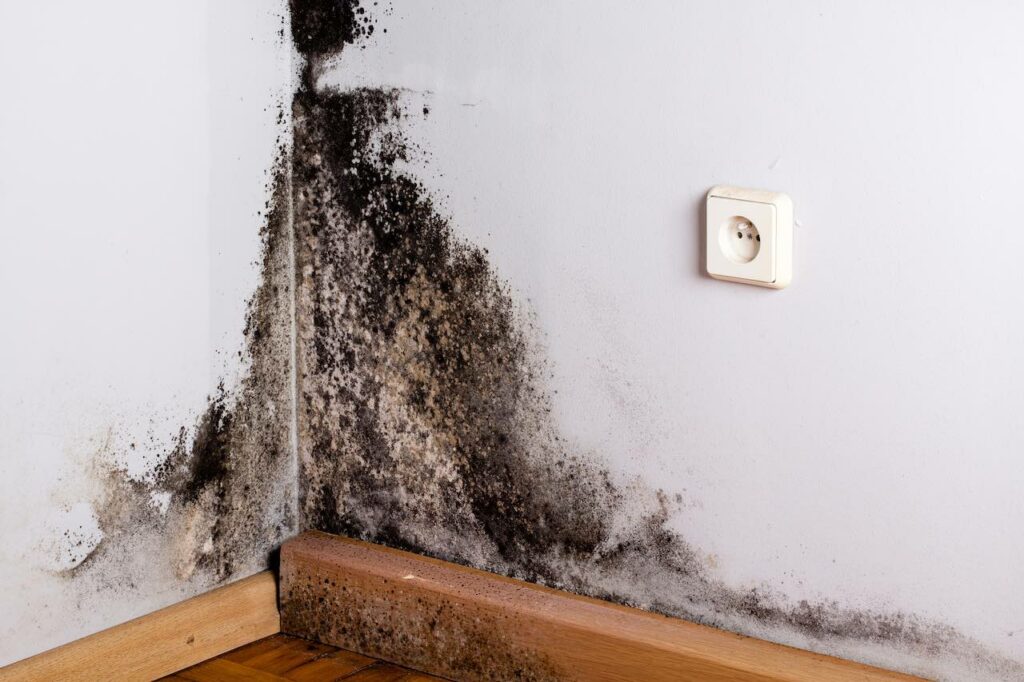
Mold exposure is more common than many realize, yet its symptoms often go unrecognized for months or years. Living in humid climates, older buildings, or poorly ventilated workplaces can allow mold to silently affect health, triggering issues that may seem unrelated at first.
Recognizing Mold Toxicity
Mold exposure can range from acute allergic reactions to chronic systemic effects. Acute reactions occur when inhaling or touching mold spores, causing coughing, sneezing, eye irritation, or asthma-like symptoms that improve once the mold is removed.
Chronic mold toxicity results from ongoing exposure to mycotoxins, toxic compounds produced by some molds. Mycotoxins can trigger inflammation throughout the body, producing persistent fatigue, brain fog, headaches, digestive issues, and hormonal imbalances. These symptoms often overlap with other conditions, making diagnosis challenging.
12 Key Symptoms of Mold Exposure
Health professionals identify the following warning signs of mold toxicity:

- Cognitive difficulties such as brain fog, poor memory, and anxiety
- Pain, including abdominal or muscle pain similar to fibromyalgia
- Unexplained weight gain or weight loss
- Numbness and tingling in the extremities
- Metallic taste in the mouth
- Vertigo or dizziness
- Ringing in the ears (tinnitus)
- Digestive issues like persistent bloating or limited food tolerance
- Chronic fatigue that interferes with daily activities
- Mood changes
- Excessive thirst or dehydration
- Symptoms resembling hormonal imbalances, such as hair loss or rashes
Why Diagnosis Is Difficult
Mold toxicity remains a controversial topic in medicine. While mold allergies are widely recognized, reactions to mycotoxins are less well understood. Symptoms vary widely, and not everyone exposed to mold develops an inflammatory response. Additionally, there is no standardized test for mold toxicity, and results do not always correlate with symptom severity.
Testing for Exposure
Tests for mold exposure may include urinalysis for mycotoxin metabolites or sputum cultures for airway infections. These tests, however, have limitations, including false positives and negatives, limited coverage of the hundreds of mycotoxins, and lack of insurance coverage in many cases. Clinicians often rely on symptom patterns and environmental assessment rather than tests alone.
Treatment and Prevention
Treatment focuses on supporting the body rather than attempting to eliminate all mold internally. Recommended strategies include:
- Removing mold sources from homes and reducing dietary mold from foods such as grains, coffee, and peanut butter
- Supporting sinus and lung health, particularly for those with respiratory conditions
- Reducing inflammation through diet, stress management, and anti-inflammatory practices
- Supporting liver function with antioxidants like glutathione
- Neural retraining to promote relaxation and reduce chronic stress
Preventive measures include identifying and fixing leaks, running ventilation fans, using dehumidifiers in humid environments, cleaning regularly, and wearing masks when cleaning moldy areas. For workplace exposure, reporting concerns to management or human resources is crucial.
Understanding the signs of mold exposure and addressing them early can prevent long-term health effects and improve overall well-being.




