


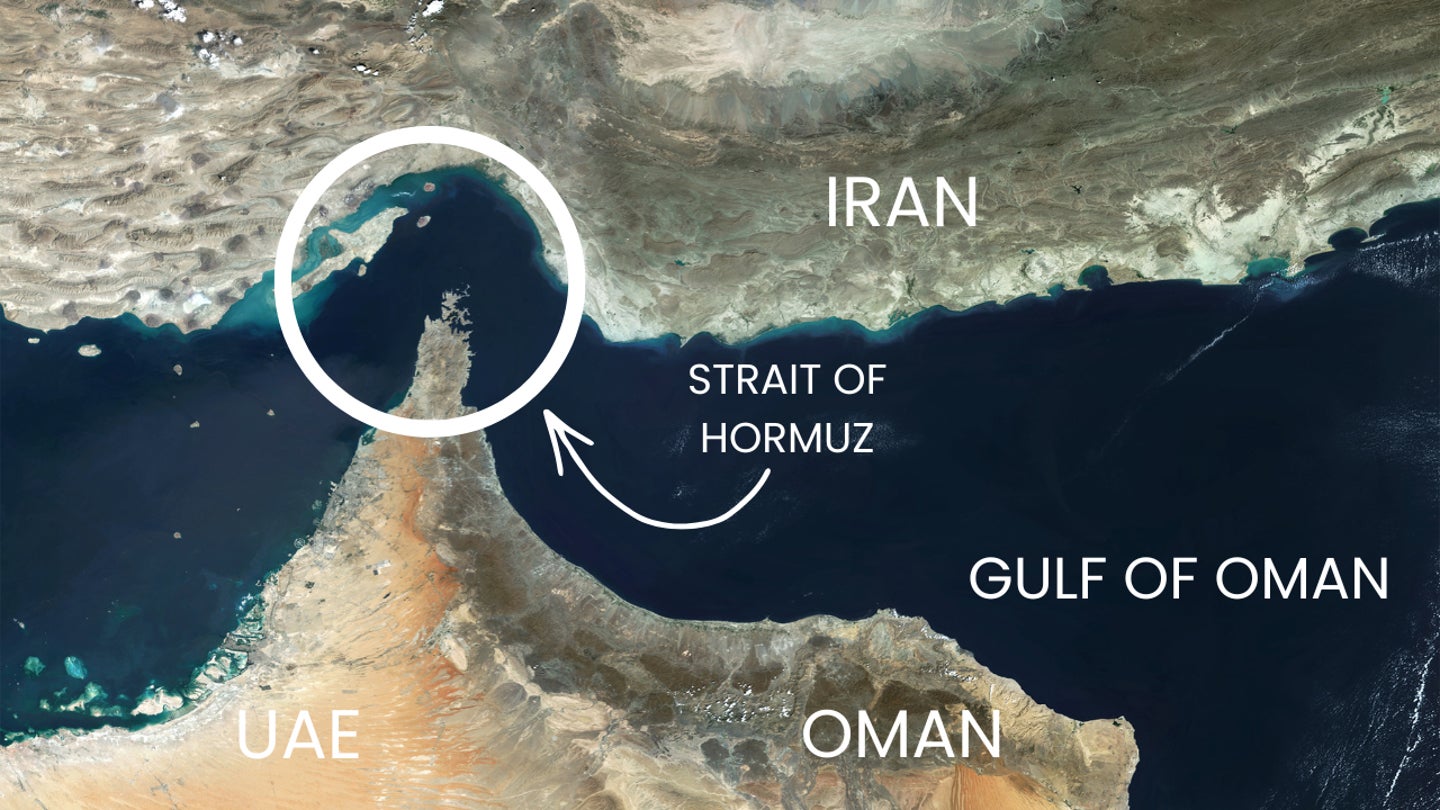
Dozens of commercial vessels have resumed passage through the Strait of Hormuz following the US-Iran agreement aimed at ending months of conflict, offering fresh signs that one of the world’s most critical energy corridors is slowly returning to normal operations.
New maritime data shows that at least 172 vessels have crossed the strategic waterway since June 18, the day after Washington and Tehran signed a peace deal designed to halt hostilities and restore stability to regional trade routes.
Forty-two ships completed the transit on Saturday alone, according to maritime intelligence firm Kpler, marking a significant improvement from the near standstill witnessed during the height of the conflict.
Despite the rebound, shipping traffic remains below normal levels. Before the war, an average of about 138 vessels passed through the strait daily. Current volumes remain considerably lower as shipping companies continue to weigh security risks.

Ship-tracking data analysed by BBC Verify indicates that more than 200 tankers were waiting inside the Strait of Hormuz on Tuesday, while at least 10 vessels were observed moving westward into the Gulf.
The easing of tensions has already had a noticeable impact on global energy markets. Brent crude, the international oil benchmark, has fallen to its lowest level since the conflict began, reflecting growing confidence that a prolonged disruption to oil supplies may be avoided.
A significant portion of the renewed traffic has been linked to Iran following the relaxation of US restrictions under the agreement.
At least 30 tankers carrying Iranian oil and petrochemical products have departed the Gulf since the deal was signed. The United States has also temporarily eased sanctions, allowing the sale of Iranian crude oil and petrochemical exports until August 21.
On Monday alone, five tankers previously sanctioned by Washington for alleged links to Iran reportedly passed through the strait carrying up to four million barrels of oil.
The recovery in shipping activity has not been limited to Iranian exports. Liquefied natural gas carriers have resumed movements to and from Qatar, while cargo vessels are once again navigating Gulf trade routes.
However, uncertainty continues to cloud the full reopening of the waterway.
Most vessels are currently using the northern route through Iranian-controlled waters rather than the southern route near Oman previously recommended by the United States and its allies.
Iran’s newly established Persian Gulf Strait Authority has announced that all vessels must obtain official permits before transiting the strait, a requirement that has raised concerns among some shipping operators because the authority itself remains under US sanctions.
Conflicting statements from Iranian officials have also fuelled uncertainty. While some authorities insist the strait remains open, others have suggested limitations on the number of daily transits.
Adding to concerns are reports of sea mines in parts of the internationally recognised shipping corridor. Maritime security organisations have confirmed ongoing mine-clearing operations and continue to advise caution for vessels entering the area.
Although commercial traffic is steadily increasing, maritime experts say confidence has not yet fully returned.
Hundreds of tankers and cargo ships remain anchored inside the Gulf awaiting greater clarity on security conditions, transit procedures and the long-term implementation of the US-Iran agreement.
For now, the return of vessels to the Strait of Hormuz represents one of the clearest economic benefits of the ceasefire, easing pressure on global energy markets while testing the durability of a fragile peace agreement that remains under close international scrutiny.




