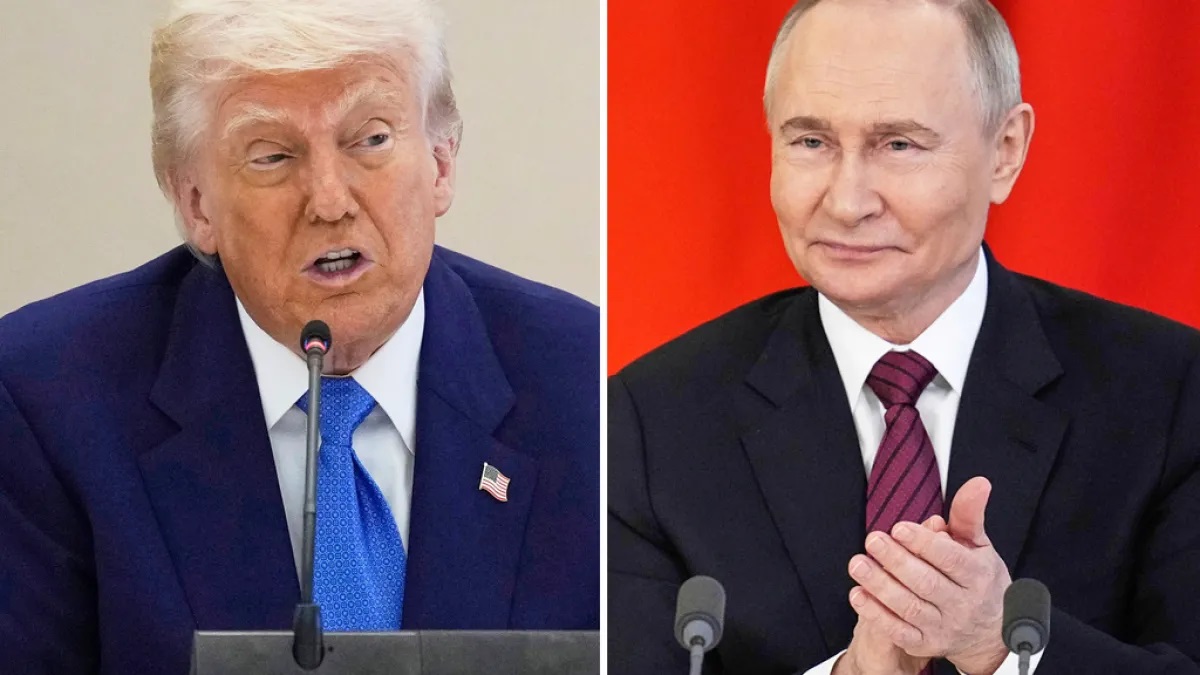
The United States and Russia are edging toward a new and largely unregulated nuclear arms race as their last remaining arms control treaty, New START, approaches expiration in just days.
The New START treaty, which places limits on the number of long-range nuclear warheads and the delivery systems each side can deploy, is scheduled to expire on February 5. If it lapses without replacement, it would remove formal restrictions on the strategic nuclear arsenals of the world’s two largest nuclear powers, ending a framework of nuclear limits that has existed for more than 50 years.
Russian President Vladimir Putin has proposed extending the current limits for one year to create space for negotiations on a successor agreement.
However, US President Donald Trump has not formally responded to the proposal, saying instead that “if it expires, it expires,” while insisting any future deal must be stronger and broader in scope.
In Washington, some lawmakers are urging Trump to reject Moscow’s offer, arguing that allowing New START to expire could give the United States room to expand its nuclear forces, particularly in response to China’s growing nuclear capabilities.

Trump has said he wants “denuclearisation” talks that include both Russia and China, but Beijing has rejected the idea, maintaining that its nuclear stockpile is far smaller than those of Washington and Moscow and that a three-way deal would be unfair.
Arms control experts warn that beyond limiting weapons, treaties like New START provide critical safeguards through transparency measures such as data exchanges and on-site inspections, which help reduce suspicion and prevent miscalculation.
Without those mechanisms, analysts say both countries could be forced to assume the worst about the other’s intentions, increasing the risk of escalation.
Nikolai Sokov, a former Soviet and Russian arms negotiator, warned that the collapse of the treaty could trigger a cycle of weapons expansion and instability.
New START was signed in 2010 by former US President Barack Obama and then–Russian President Dmitry Medvedev, and has remained the latest in a long line of arms control agreements dating back to the Cold War.
With no replacement agreement currently in place, experts say the treaty’s expiration could mark a major break from decades of nuclear restraint and reopen the door to a costly and dangerous global arms race.