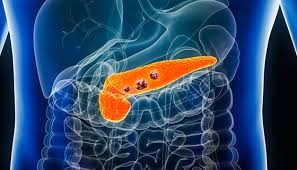
Pancreatic Cancer remains one of the most challenging cancers to detect and treat, largely because of its location deep within the abdomen and its tendency to spread before symptoms appear. However, recent advances in diagnosis and treatment are improving outcomes and offering new hope to patients.
The pancreas, a small organ behind the stomach, plays a vital role in digestion. Cancer develops when abnormal cells grow uncontrollably within this organ. Due to its hidden position, symptoms often go unnoticed until the disease has progressed.
A shift in how pancreatic cancer is assessed
Traditionally, pancreatic cancer has been staged based on tumor size, lymph node involvement and whether it has spread to other parts of the body. While this system remains important, doctors are increasingly focusing on a more practical question: can the tumor be surgically removed?
This concept, known as resectability, is now central to treatment planning. Because surgery offers the best chance for long-term survival, determining whether a tumor can be safely removed is a critical first step.

Understanding resectability
Pancreatic tumors are now broadly grouped into three categories:
- Resectable: Tumors that are confined to the pancreas and can be removed surgically. These cases offer the best chance for successful treatment, often combining surgery with chemotherapy or radiation.
- Borderline resectable: Tumors that involve nearby blood vessels or tissues, making surgery more complex. Patients may first receive chemotherapy, targeted therapy or radiation to shrink the tumor before surgery is considered.
- Unresectable: Tumors that cannot be safely removed due to their location or because the cancer has spread. In these cases, treatment focuses on controlling the disease and improving quality of life.
Surgical advances in treatment
When surgery is possible, several procedures may be used depending on the tumor’s location:
- Whipple procedure: removes the head of the pancreas along with parts of surrounding organs
- Distal pancreatectomy: removes the body and tail of the pancreas
- Total pancreatectomy: involves removal of the entire pancreas and nearby structures
These complex procedures are typically performed by specialized gastrointestinal surgeons as part of a multidisciplinary care team.
Expanding treatment options
Beyond surgery, pancreatic cancer treatment has evolved significantly in recent years. Most patients receive a combination of therapies to target cancer cells and reduce the risk of recurrence.
- Chemotherapy remains a cornerstone, using drugs to destroy cancer cells throughout the body.
- Targeted therapy focuses on specific genetic mutations within cancer cells. For example, treatments are being developed to block mutations such as KRAS, which drive tumor growth.
- Radiation therapy uses high-energy beams to shrink tumors or prevent further spread, with advanced techniques improving precision and reducing damage to healthy tissue.
Managing advanced disease
For patients with advanced or unresectable pancreatic cancer, treatment focuses on symptom relief and maintaining quality of life. Procedures such as bile duct bypass or stent placement can help relieve complications caused by tumor blockage.
Pain management, nutritional support and other palliative care measures also play an essential role in comprehensive treatment.
A more personalized approach
Experts emphasize that pancreatic cancer care is increasingly personalized. Treatment decisions are guided not only by the stage of the disease but also by genetic testing, overall health and patient preferences.
With ongoing research and clinical advancements, healthcare providers are better equipped than ever to tailor treatments and improve survival outcomes.
Looking ahead
While pancreatic cancer remains a serious diagnosis, evolving treatment strategies and a greater focus on early, individualized care are changing the outlook. Medical teams continue to push the boundaries of research, offering patients more options and more hope than ever before.