


tech-nibss-sues-176-users-over-software-glitch
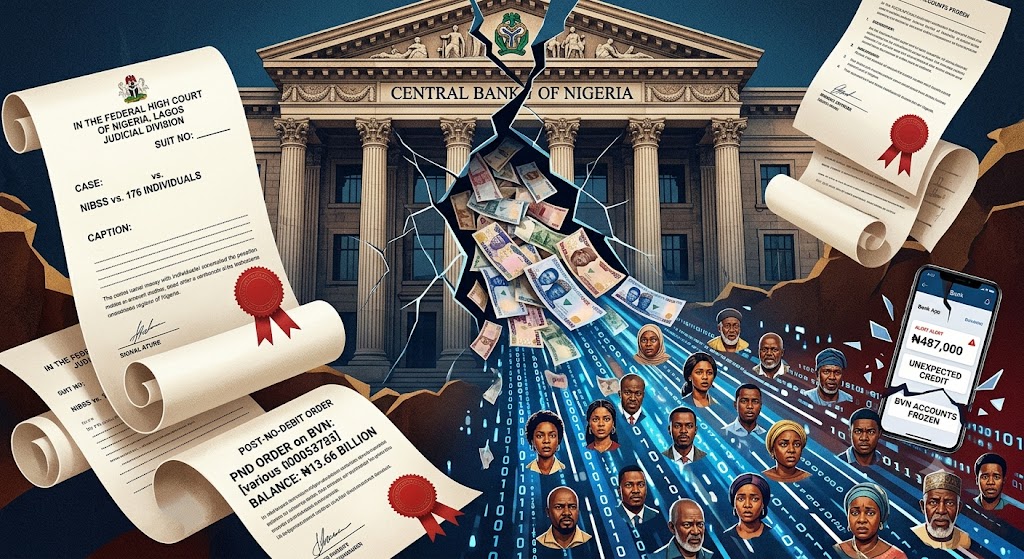
NIBSS Sues 176 Users Over ₦13.66B Software Glitch The Nigeria Inter-Bank Settlement System is seeking strict court orders to freeze 176 accounts across 19 banks after a technical error generated ₦13.66 billion in funds from nowhere. NIBSS sued 176 users over a ₦13.66 billion software glitch. The agency seeks strict court orders to freeze bank accounts across 19 banks.
Essentially, the Nigeria Inter-Bank Settlement System is suing 176 people. Specifically, a massive software error caused a ₦13.66 billion loss. Therefore, the agency wants to freeze accounts across 19 banks. Ultimately, this glitch exposed major flaws in the digital economy.
The Origin of the Error
Specifically, the massive problem started on September 6, 2024. The technical fault hit the Nigeria Instant Payment system platform. Consequently, this triggered a rare event called a dry posting. In fact, money entered accounts without any real debits happening. As a result, the software created money from thin air. Therefore, the central bank system fell out of perfect balance.

Furthermore, the error continued throughout that fateful weekend in September. The glitch credited exactly 176 accounts in 19 different banks. Therefore, many users thought clients had finally paid them cash. Specifically, people quickly spent the money on food and rent. They did not know the funds were completely fake money. Indeed, the users believed the bank alerts were completely real.
The Legal Battle Begins
Meanwhile, NIBSS noticed the huge error a few days later. The agency quickly asked the banks to freeze the accounts. However, the banks refused to act without a court order. Indeed, freezing accounts without permission can cause big legal trouble. Consequently, the delay allowed many users to keep spending money. As a result, the fake funds entered the real economy.
Subsequently, the settlement company waited nearly 20 months to act. Now, NIBSS is asking the Federal High Court for help. Specifically, they want a strict legal order for all users. This order would freeze every bank account linked to users. As a result, the users would face total financial ruin. Therefore, the court must weigh the rights of the people.
Systemic Flaws and Industry Impact
Additionally, the lawsuit raises big questions about digital payment safety. The NIBSS processes more money than the entire national economy. In fact, it handled over 12 billion direct transfers recently. Therefore, a single glitch can cause a massive liquidity crisis. The Central Bank of Nigeria often steps in during crises. Consequently, regulators want to stop this from ever happening again.
Ultimately, this case highlights a deep flaw in deferred settlement. The system credits users before actual money moves between banks. Consequently, accounting logic errors can create fake money very fast. Indeed, TechNext reported the missing funds reached billions globally. As a result, NIBSS had to use real money reserves. Therefore, the agency suffered a huge internal financial loss directly.
What Happens Next
To conclude, recovering the spent money will be very hard. Many users spent the fake funds almost two full years ago. Specifically, an ITWeb Africa report noted growing system infrastructure concerns. Therefore, the court must decide who bears the final loss. Of course, the users did not cause the bad software error. Consequently, punishing innocent citizens seems very harsh and highly unfair.
Consequently, the banking industry is watching this case very closely. A strict ruling could change how banks handle future errors. However, forcing users to pay might cause huge public outrage. Indeed, a Techpoint Africa update showed banks need better systems. Meanwhile, the 176 users must wait for the final verdict. As a result, their financial futures hang in the balance.
Ultimately, this software glitch reveals the hidden risks of fintech. The NIBSS lawsuit will test the absolute limits of law. As a result, banks must improve their internal error checks. Therefore, digital payments can remain safe for all everyday users. Indeed, securing the national payment grid remains a top priority.




