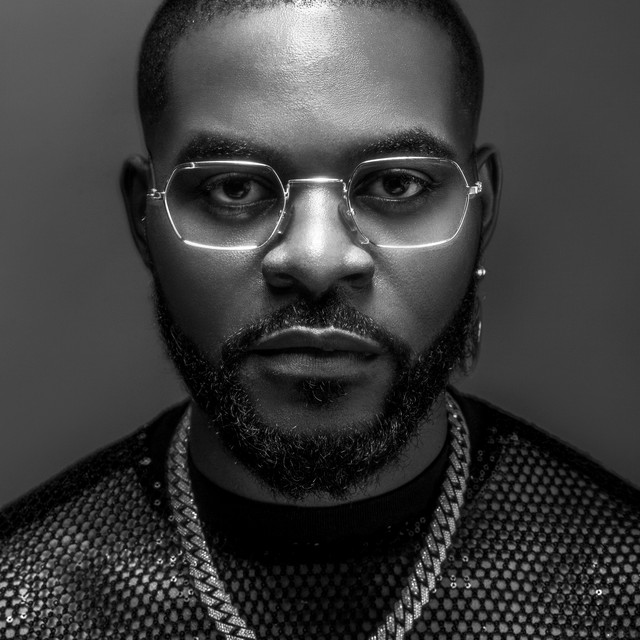
Nigerian rapper and activist Falz has once again stirred public debate, this time criticizing religious leaders who allow politicians to use church platforms for personal campaigns. According to Falz, the practice undermines both the spiritual authority of the pulpit and the integrity of the political system.
Speaking on social media, Falz condemned pastors who allegedly invite politicians into their churches to preach, campaign, or solicit support, describing the phenomenon as “a dangerous mix of religion and politics that exploits people’s faith.” He argued that many of these politicians have questionable track records, yet are given opportunities to influence congregations through the moral authority of the clergy.
Falz emphasized that the pulpit should remain a place for spiritual guidance, community development, and moral reflection, not political maneuvering. He warned that by enabling politicians with “evil intentions” to leverage religious influence, pastors risk turning houses of worship into tools for personal gain and manipulation.
The rapper’s comments have reignited a broader conversation in Nigeria about the role of religious institutions in politics. Critics argue that many churches have become stages for partisan interests, with some pastors openly endorsing candidates during election periods. Supporters of Falz’s viewpoint say that this trend blurs the line between spiritual guidance and political campaigning, leaving congregants vulnerable to persuasion based on faith rather than informed civic judgment.
Falz’s remarks come amid a growing awareness among Nigerian citizens about accountability and transparency in governance. Many young people, in particular, have expressed frustration over politicians who use faith and religious symbolism to gain votes while failing to deliver tangible results for communities.

While some religious leaders defend their actions as expressions of personal freedom or civic responsibility, Falz and other critics insist that the moral authority of the pulpit should never be co-opted for political advantage. They argue that churches have a unique role in shaping ethical behavior and civic awareness, which can be compromised when political interests dominate sermons or church events.
The rapper concluded by urging both religious leaders and political aspirants to act responsibly, calling for a clear separation between the pulpit and the campaign trail. According to him, maintaining this boundary is essential to protect the integrity of both the church and the democratic process in Nigeria.
Falz’s outspoken stance has sparked conversations across social media platforms, with many Nigerians weighing in on the ethics of political endorsements in religious spaces. While opinions remain divided, one thing is clear: the debate over the intersection of faith and politics in Nigeria is far from over.